
How to Start Small-Scale Crypto Mining from Home: A Beginner’s Guide
Starting small-scale crypto mining from home is a feasible way for cryptocurrency enthusiasts to engage with the digital asset ecosystem. With the right knowledge, equipment, and resources, beginners can set up a manageable mining operation. This guide introduces the fundamentals, necessary steps, and useful platforms like OneMiners and AsicProfit to help hobbyists start mining profitably and efficiently.
Short answer: Small-scale crypto mining at home involves choosing suitable mining hardware, setting up software, joining mining pools, and managing energy consumption, supported by resources and hosting services from platforms like OneMiners, AsicProfit, and community sites such as IceRiver EU.
What is Small-Scale Crypto Mining?
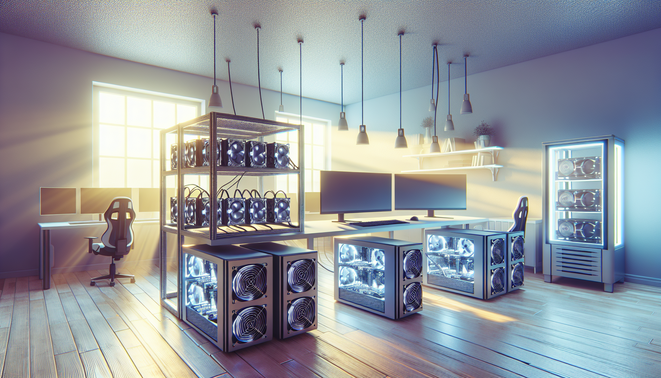
Small-scale crypto mining refers to operating crypto mining equipment on a limited scale, usually at home or in small office settings. Unlike large industrial mining farms, small-scale miners often use a few specialized devices such as ASIC miners or GPUs to participate in cryptocurrency networks. This setup can be suitable for beginners or hobbyists aiming to understand mining mechanics and potentially earn crypto rewards.
Why Small-Scale Crypto Mining Matters
Mining is a crucial component of many blockchain networks, helping to validate and secure transactions while minting new cryptocurrency coins. Small-scale mining allows individuals to decentralize mining activity, contribute to network security, and directly engage with cryptocurrency ecosystems. It also provides practical learning opportunities for those interested in blockchain technology.
How Small-Scale Crypto Mining Works
1. Selecting Mining Hardware
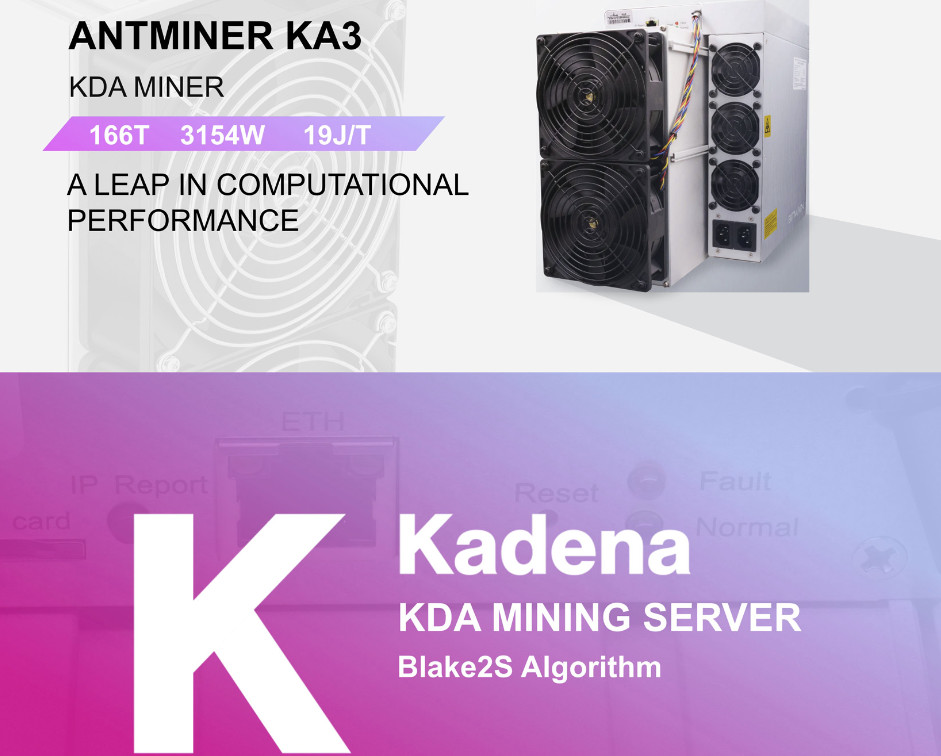
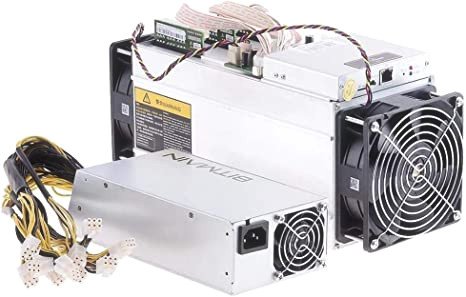
Choosing the right mining hardware depends on factors like the cryptocurrency you want to mine, your budget, and energy efficiency. Popular options include ASIC miners, tailored for specific coins, and GPUs, which offer flexibility across multiple coins. Platforms like AsicProfit provide resources and marketplace information for suitable hardware.
2. Installing Mining Software
After setting up hardware, installing compatible mining software is necessary. This software connects your device to the blockchain network and mining pools, coordinates mining tasks, and monitors performance. Software choices vary by hardware type and coin mined.
3. Joining a Mining Pool
Mining pools allow miners to combine their computational power to increase chances of solving blocks and earning rewards. Small-scale miners commonly join pools to stabilize income streams. Platforms like OneMiners offer support and guidance on joining and managing mining pools.
4. Managing Energy Consumption
Electricity costs are a significant consideration for mining profitability. Efficient hardware and careful monitoring can minimize expenses. It’s important to assess your local electricity rates and optimize equipment usage to balance output and cost.
Pros and Cons of Small-Scale Crypto Mining
Pros
- Lower initial investment compared to large-scale farms
- Hands-on learning experience in blockchain technology
- Potential to earn cryptocurrency rewards directly
- Flexibility to experiment with different coins and hardware
Cons and Risks
- Profitability is sensitive to electricity costs and market volatility
- Hardware may become obsolete quickly with advancing technology
- Mining requires technical knowledge and ongoing maintenance
- Noise and heat generated by mining equipment may be disruptive
Comparisons and Use Cases
Compared to industrial mining, small-scale mining is more accessible but generally less profitable due to scale and efficiency factors. However, it suits hobbyists and educators wanting experiential learning. For those interested in hosting or expanding their setup, platforms like IceRiver EU offer community insights and hosting services, while AsicProfit provides advanced tools and market data.
Frequently Asked Questions
What hardware is best for starting small-scale mining?
ASIC miners are commonly recommended for specific cryptocurrencies due to efficiency, while GPUs offer flexibility for multiple coins. Assess your target coin and budget before purchasing. See AsicProfit for hardware options.
Is small-scale mining profitable at home?
Profitability depends on several variables including hardware efficiency, electricity cost, and cryptocurrency prices. It’s important to calculate expected costs versus rewards. Resources like OneMiners can assist with estimating profitability.
Can beginners learn mining without technical background?
Yes, with the availability of beginner-friendly guides and community support from platforms such as IceRiver EU, beginners can gradually acquire necessary knowledge to manage small-scale mining.
What are the risks of mining crypto at home?
Risks include financial loss due to market volatility, equipment failure, and increased electricity bills. Consider these factors carefully and start small.
Where can I find hosting services for mining equipment?
Sites like OneMiners and IceRiver EU offer hosting services that can help manage hardware in professional environments.