
Hosted Bitcoin Mining vs. Home Mining: Why Power Costs Decide the 2026 Profit Gap
A new profitability comparison is renewing an old debate among Bitcoin miners: is it better to run an ASIC at home or send it to a hosting facility? According to a head-to-head breakdown published by OneMiners, the answer in 2026 comes down less to hardware and more to two overlooked variables: electricity cost and uptime. When the machine is identical, hosted Bitcoin mining pulls ahead of home mining primarily because of where the power comes from and how reliably the rig actually runs.
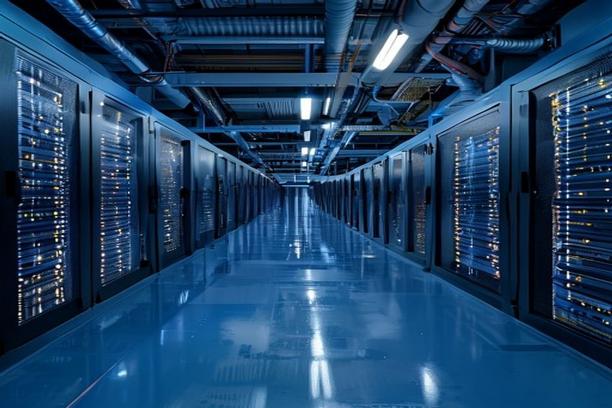
What the OneMiners Comparison Actually Shows
The analysis uses a single machine, the Antminer S21 XP Hyd, run under three scenarios: hosted at OneMiners facilities, run at home on a “low” residential rate, and run at home on a “typical” residential rate. Because the hardware and its expected revenue are held constant across all three scenarios, the entire spread in outcomes comes from cost structure rather than mining performance.
The numbers are stark. OneMiners cites hosted power starting from $0.0364 per kWh, compared with a typical home electricity rate of $0.12 per kWh — roughly a threefold difference. Modeled over a year, that gap alone separates an illustrative annual net of around $8,280 per machine when hosted from around $4,176 per machine at the typical home rate, with a middle scenario of about $6,144 at a lower home rate of $0.08. None of these figures represent guaranteed returns; they are illustrative model outputs tied to a specific machine, a specific electricity price, and Bitcoin market conditions at the time the source material was published (Bitcoin near $105,000 and network hash rate near 800 EH/s).
The source also highlights uptime as a compounding factor alongside the power rate. OneMiners advertises a 95%+ uptime service-level agreement, while home setups are described as “best-effort,” vulnerable to heat, dust accumulation, and unplanned outages that hosted facilities are built to avoid. Over a single year the uptime difference might look marginal; compounded across a multi-year mining cycle, lost hours translate directly into lost hash contribution and lost revenue.
Why Infrastructure and Market Context Matter for This Comparison
This kind of hosted-versus-home comparison sits inside a much larger shift in how Bitcoin mining has professionalized. As network difficulty has climbed and ASIC efficiency gains have slowed relative to prior hardware generations, the margin for error on operating costs has narrowed. A miner running at $0.12 per kWh is competing against industrial operations that lock in sub-$0.04 power through long-term contracts, on-site generation, or co-location deals with energy producers. That structural gap is exactly what the OneMiners model is describing at the individual-machine level.
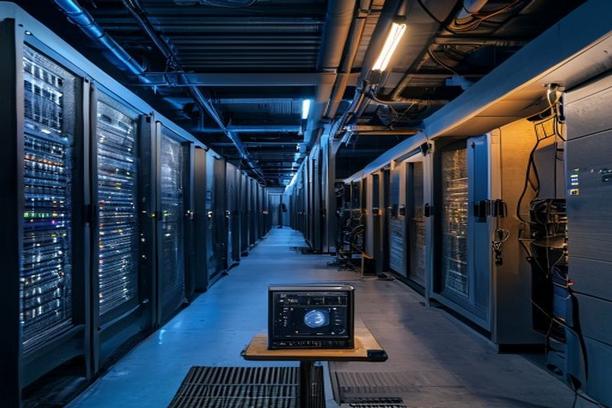
Hosting providers also bundle services that are easy to underestimate when evaluating a garage setup: insured maintenance, climate-controlled environments, and multi-year warranty coverage — the source cites seven years of warranty coverage under hosting versus roughly one year for a typical home setup. For miners comparing total cost of ownership rather than sticker price alone, these included services meaningfully offset hosting fees that might otherwise look like pure overhead.
None of this eliminates the role of market price. Bitcoin’s price and mining profitability remain tightly linked, and broader market conditions can shift the calculus regardless of where a machine is hosted. Recent market coverage has pointed to renewed volatility tied to geopolitical tensions, a reminder that even a well-optimized hosting arrangement doesn’t insulate a miner from swings in the underlying asset’s price.
Practical Implications for Miners and Investors
For anyone weighing a mining investment in the current environment, the OneMiners comparison suggests a few practical checkpoints rather than a blanket recommendation to host or self-mine:
- Get a real electricity number. A quoted home rate of $0.08–$0.12/kWh versus a hosted rate near $0.0364/kWh is the single biggest lever in the model — confirm actual local utility rates rather than relying on national averages.
- Price in downtime, not just power. A best-effort home setup that runs at 85% uptime effectively loses a meaningful share of annual revenue compared with a facility operating under a 95%+ SLA.
- Account for maintenance and warranty. Repairs, thermal issues, and out-of-warranty failures are costs that hosted arrangements often absorb as part of the service fee.
- Model your own hardware and rate rather than assuming the S21 XP Hyd figures apply directly. Tools like asicprofit.com let miners run their specific machine and electricity rate through a comparable calculation.
Related source: U.S.-Iran hostilities over Strait of Hormuz drag crypto lower after positive week: Crypto Markets Today
Miners researching which ASIC to deploy in either scenario should also weigh how a given model’s efficiency and thermal design perform in the environment it’s actually placed in — a comparison more easily made by reviewing current hardware options through a resource such as mineasic.com before committing capital to either a home setup or a hosting contract.

Risks, Limitations, and What’s Still Uncertain
The comparison is illustrative, not a forecast, and it comes with caveats worth taking seriously. The annual net figures assume a specific Bitcoin price and network hash rate at a single point in time; both variables move constantly, and a shift in either can change the outcome for hosted and home setups alike. The source itself notes that “profitability figures are estimates based on network conditions and Bitcoin’s price at the time of writing” and explicitly states the analysis is not financial advice.
Electricity rates, hardware availability, and facility pricing also vary significantly by region and by provider, so a $0.0364/kWh hosted rate or a $0.12/kWh home rate may not reflect every miner’s actual situation. Hosting introduces its own risks that a home setup doesn’t carry, including counterparty risk (facility solvency and contract terms), geographic concentration risk, and less direct day-to-day control over the physical machine, even when the miner retains ownership of the hardware and the mined Bitcoin. Regulatory treatment of mining operations and electricity contracts also differs by jurisdiction, and none of the considerations here should be read as legal or tax guidance.
What to Watch Next
Going forward, the more instructive question for individual miners may not be “hosted or home” in the abstract, but how quickly the cost gap between the two continues to widen or narrow. Network difficulty and hash rate growth will keep pressuring thin-margin setups, while hosting providers competing on power cost, uptime SLAs, and warranty terms are likely to keep differentiating on exactly the factors this comparison highlights. Miners evaluating either path should treat any single model — including this one — as a starting point for their own math rather than a final answer, and revisit that math whenever electricity rates, hardware, or Bitcoin’s price shift meaningfully.
Related source: Current price of Bitcoin for July 13, 2026
For those exploring hosting as an alternative to home mining, reviewing current facility terms and power rates directly, such as those detailed through OneMiners, is a reasonable next step before making a hardware or hosting commitment.