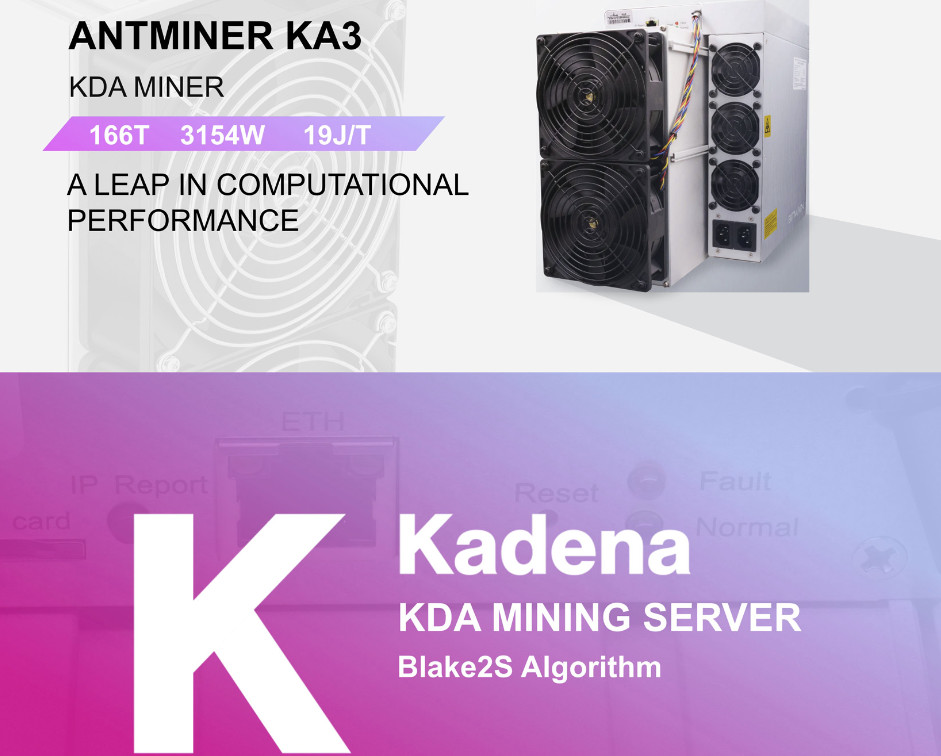


Bitcoin mining has become a critical component of the cryptocurrency ecosystem, serving as the backbone for transaction validation and security. As the industry evolves, understanding the intricacies of Bitcoin mining is essential for both new and seasoned investors.
What is Bitcoin Mining?
At its core, Bitcoin mining involves solving complex mathematical problems to validate transactions on the Bitcoin network. Miners use powerful computers to compete in solving these problems, and the first to succeed is rewarded with newly minted bitcoins. This process not only generates new coins but also secures the network against fraud and double-spending.
The Economics of Bitcoin Mining
As highlighted in a recent article by OneMiners, the profitability of Bitcoin mining is heavily influenced by several factors, including:
- Hashrate: The total computational power of the network.
- Difficulty: A measure of how hard it is to find a new block.
- Electricity Costs: The price per kilowatt-hour is crucial for profitability.
In 2026, the hashprice is projected to hover around $31 per PH/s per day, making the cost of electricity a pivotal factor in determining whether a mining operation is profitable or not.
Challenges Facing Miners
Despite the potential for profit, miners face numerous challenges:
- Regulatory Changes: Governments worldwide are increasingly scrutinizing cryptocurrency operations, which can impact mining activities.
- Environmental Concerns: The energy consumption of Bitcoin mining has raised alarms about its environmental impact, leading to calls for more sustainable practices.
- Market Volatility: The price of Bitcoin is notoriously volatile, affecting miners’ revenue and investment decisions.
For instance, Bitcoin Magazine recently reported on Russia’s new crypto law, which aims to regulate mining activities within its borders, highlighting the ongoing regulatory evolution in the space.
The Future of Bitcoin Mining
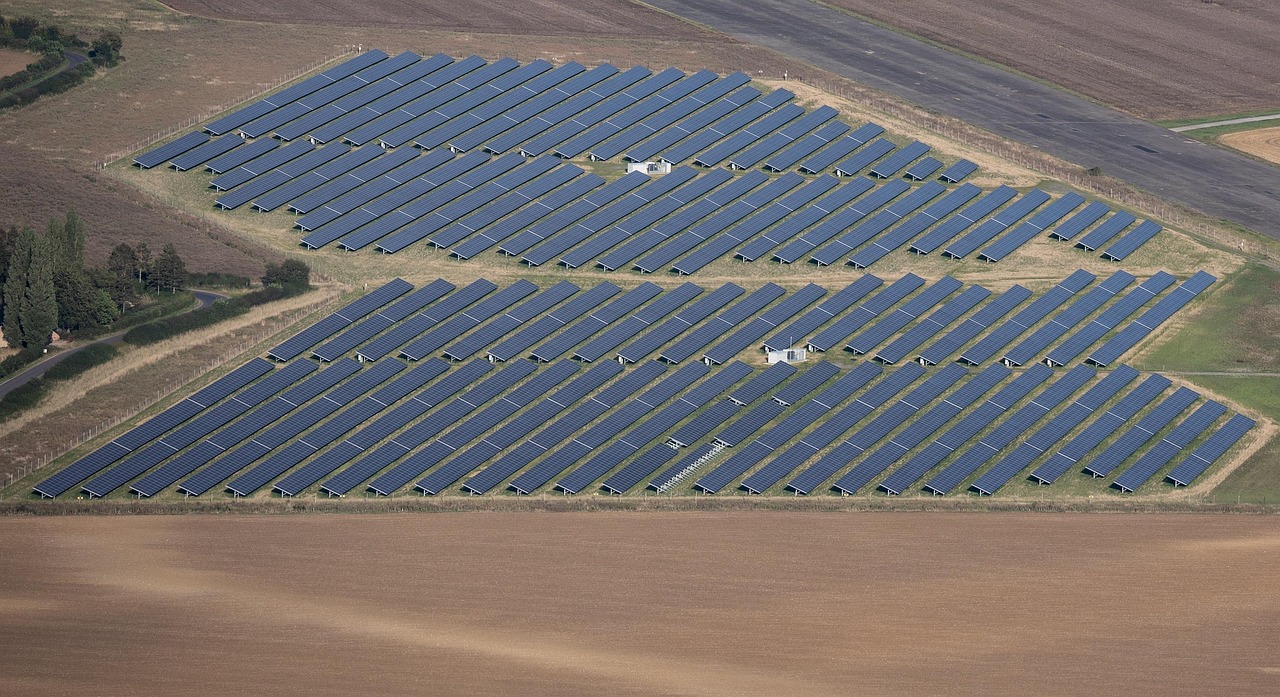
The future of Bitcoin mining is likely to be shaped by technological advancements and regulatory developments. Innovations in mining hardware, such as more efficient ASIC miners, could reduce energy consumption and increase profitability. Additionally, the rise of renewable energy sources may provide miners with more sustainable options.
As the industry matures, miners will need to adapt to changing market conditions and regulatory landscapes. For example, Decrypt discusses how companies are preparing for potential threats from quantum computing, which could disrupt current cryptographic standards.
Conclusion
In conclusion, Bitcoin mining remains a dynamic and challenging field, influenced by economic, regulatory, and technological factors. Understanding these elements is crucial for anyone looking to engage in or invest in Bitcoin mining operations. As the landscape continues to evolve, staying informed will be key to navigating this complex industry.