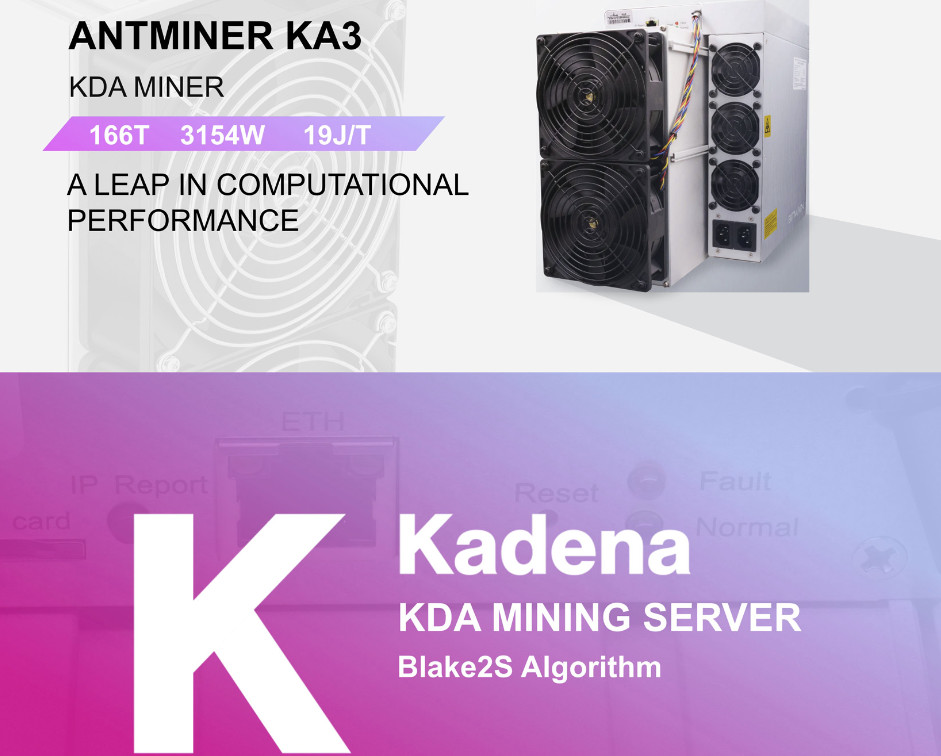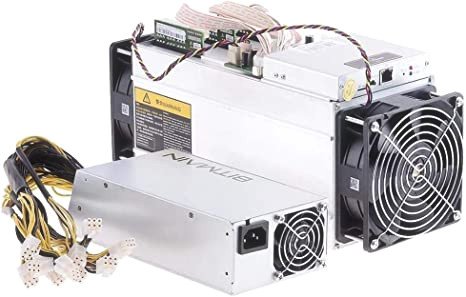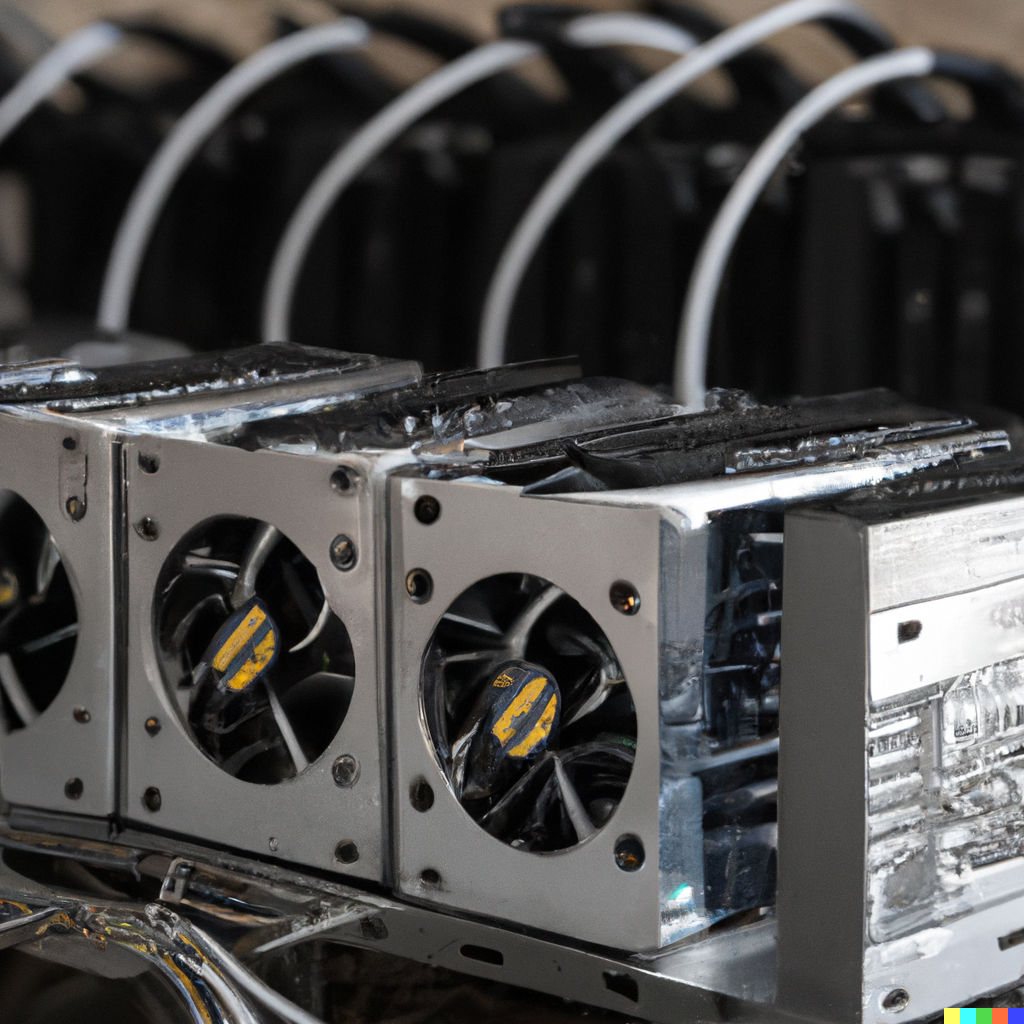


Bitcoin mining is a crucial process that underpins the entire Bitcoin network. It involves solving complex mathematical problems to validate transactions and add them to the blockchain. As the cryptocurrency landscape evolves, understanding the nuances of Bitcoin mining becomes increasingly important for both enthusiasts and investors.
What is Bitcoin Mining?
At its core, Bitcoin mining is the process by which new bitcoins are created and transactions are verified. Miners use powerful computers to solve cryptographic puzzles, and in return, they are rewarded with newly minted bitcoins and transaction fees. This process not only secures the network but also ensures that all transactions are legitimate.
The Mining Process Explained
The mining process can be broken down into several key steps:
- Transaction Verification: Miners collect transactions from the Bitcoin network and verify their authenticity.
- Hashing: Miners use hashing algorithms to convert transaction data into a fixed-length string of characters.
- Block Creation: Once a miner successfully hashes a block of transactions, it is added to the blockchain.
- Reward Distribution: The miner receives a reward in the form of bitcoins for their efforts.
As the Bitcoin network grows, the difficulty of mining increases, requiring more advanced hardware and greater energy consumption.
Challenges in Bitcoin Mining
Despite its potential for profit, Bitcoin mining comes with several challenges:
- High Energy Costs: Mining requires significant electricity, often leading to high operational costs.
- Hardware Investment: The initial investment in mining equipment can be substantial, with ASIC miners being the most efficient but also the most expensive.
- Market Volatility: The profitability of mining can fluctuate dramatically based on Bitcoin’s market price.
According to a recent article from OneMiners, the choice of which coin to mine can significantly impact profitability, especially as new coins like Zcash gain popularity.
Future Trends in Bitcoin Mining
The future of Bitcoin mining is poised for transformation due to technological advancements and regulatory changes. Some key trends to watch include:
- Increased Use of Renewable Energy: Miners are increasingly seeking sustainable energy sources to reduce costs and environmental impact.
- Mining Pools: Many miners are joining pools to combine their resources and increase their chances of earning rewards. For instance, the Bitcoinist.App allows users to create private mining pools, enhancing collaboration among miners.
- Regulatory Developments: As governments around the world begin to regulate cryptocurrency, miners must adapt to new compliance requirements.
Staying informed about these trends is essential for anyone involved in Bitcoin mining.

Conclusion
Bitcoin mining remains a complex yet rewarding endeavor. By understanding the mining process, recognizing the challenges, and keeping an eye on future trends, miners can better navigate this dynamic landscape. For more insights, consider exploring articles from CoinDesk and Decrypt.