
Bitcoin mining has evolved significantly over the years, driven by technological advancements and increasing demand for cryptocurrency. As the market matures, understanding the current trends and future outlook is essential for miners and investors alike.
Growing Demand for Hosting Services
One of the most notable trends in Bitcoin mining is the rising demand for professional hosting services. According to OneMiners, the company is expanding its hosting capacity to accommodate the increasing number of miners seeking reliable and cost-effective power solutions. With over 1,964 MW of capacity across 20+ facilities, OneMiners aims to provide miners with access to cheap, reliable power, which is crucial for profitability in the competitive mining landscape.
Why Hosting Services are Essential
As home mining becomes less feasible due to high energy costs and equipment expenses, many miners are turning to professional hosting services. These facilities offer:
- Cost Efficiency: Access to lower energy rates in specific regions.
- Reliability: High uptime guarantees ensure continuous mining operations.
- Scalability: Ability to expand operations without significant upfront investment.
With the industrialization of Bitcoin mining, the demand for such hosting services is expected to continue rising.

Technological Innovations in Mining
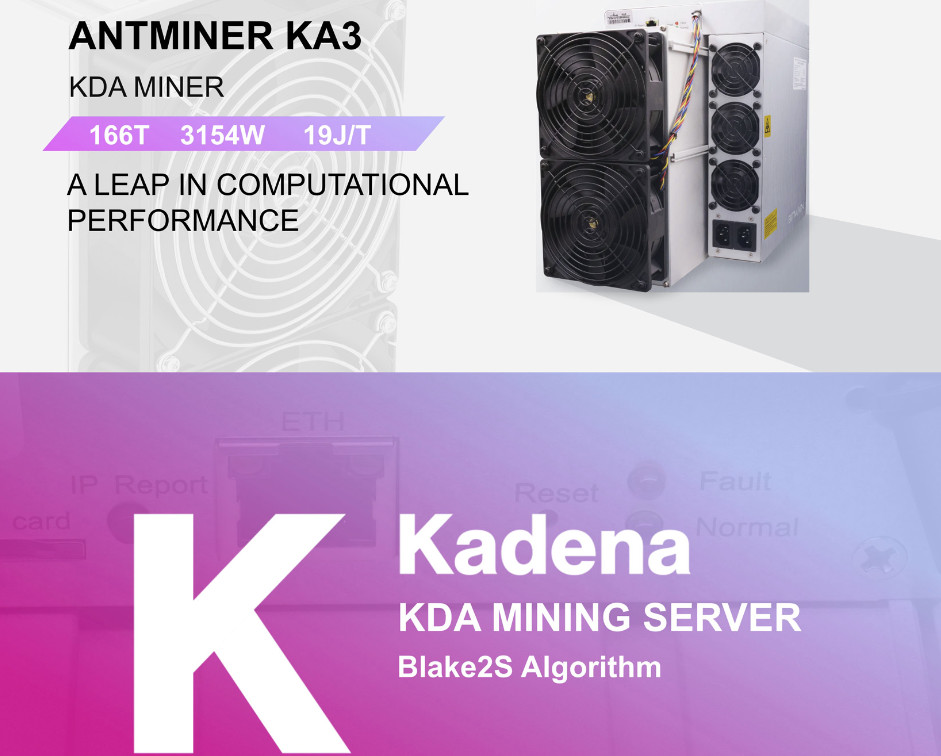
Technological advancements are also shaping the future of Bitcoin mining. Innovations in hardware, such as more efficient ASIC miners, are enabling miners to increase their hash rates while reducing energy consumption. This shift is crucial as miners seek to maximize profitability in a fluctuating market.
Additionally, software solutions are emerging that allow miners to optimize their operations. For instance, the Bitcoinist.App enables users to create private mining pools, allowing them to combine their hash power and compete more effectively against larger mining operations.
Regulatory Landscape and Its Impact
The regulatory environment surrounding Bitcoin mining is also evolving. Recent discussions in the U.S. Senate regarding cryptocurrency regulations could have significant implications for miners. As highlighted by CoinDesk, the ongoing debates may lead to new restrictions that could affect mining operations, particularly in terms of energy consumption and environmental impact.
Miners must stay informed about these developments to adapt their strategies accordingly. Understanding the regulatory landscape can help miners mitigate risks and seize opportunities as they arise.
Conclusion
As Bitcoin mining continues to evolve, staying abreast of trends such as the demand for hosting services, technological innovations, and regulatory changes is crucial for success. By leveraging professional hosting solutions and embracing new technologies, miners can position themselves for long-term profitability in this dynamic market.