

Bitcoin mining has become a significant venture for many investors looking to capitalize on the growing cryptocurrency market. Understanding the financial implications, including tax deductions, can enhance profitability.
What is Bitcoin Mining?
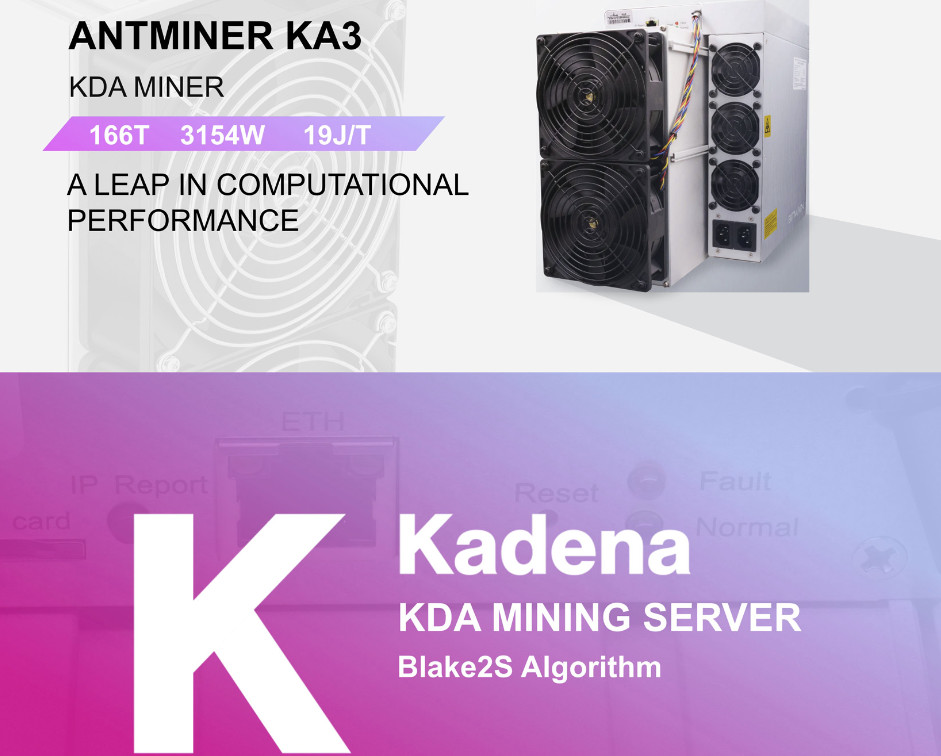
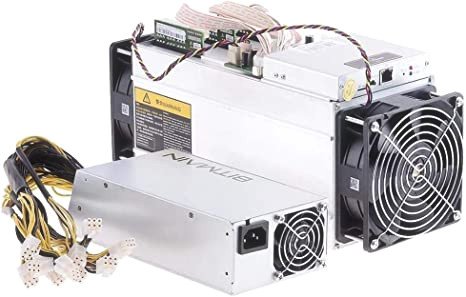
Bitcoin mining is the process by which new bitcoins are created and transactions are verified on the blockchain. Miners use powerful computers to solve complex mathematical problems, and in return, they earn bitcoins. This process requires substantial investment in hardware and electricity.
Tax Deductions for Mining Equipment
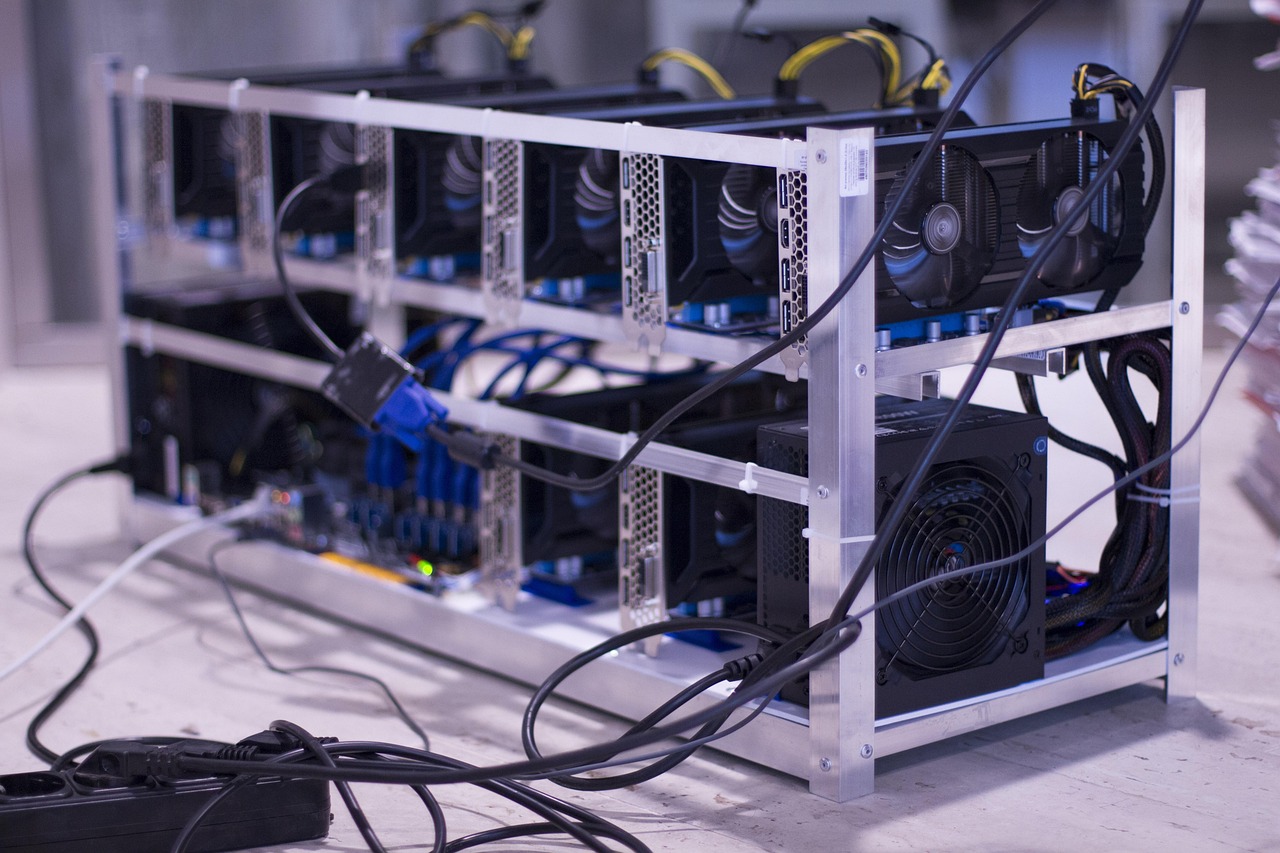
One of the most beneficial aspects of Bitcoin mining is the potential for tax deductions on mining equipment. According to OneMiners, miners can qualify for full first-year tax deductions under Section 179. This allows them to deduct the cost of their ASIC miners as business assets, significantly reducing taxable income.
For example, if a miner invests $50,000 in equipment, they can potentially deduct the entire amount in the first year, depending on their tax situation. This deduction can be a game-changer for many miners, especially those just starting out.
Understanding Section 179
Section 179 allows businesses to deduct the full purchase price of qualifying equipment purchased or financed during the tax year. This means that if you buy a piece of equipment, you can deduct the entire cost from your gross income. The CoinDesk article highlights how this can apply to various business assets, including mining equipment.
It’s essential to keep accurate records and consult with a CPA to ensure compliance with tax regulations and maximize deductions.
Cost Considerations in Bitcoin Mining
Beyond tax deductions, miners must also consider the ongoing costs associated with Bitcoin mining. These include electricity, cooling systems, and maintenance of mining rigs. The profitability of mining can fluctuate based on the price of Bitcoin and the costs of electricity in your region.
According to Decrypt, the efficiency of mining operations can significantly impact overall profitability. Investing in high-efficiency equipment and optimizing energy consumption are crucial strategies for successful mining.
Future of Bitcoin Mining
The future of Bitcoin mining is closely tied to technological advancements and regulatory changes. As more miners enter the market, competition increases, potentially affecting profitability. Staying informed about industry trends and regulatory developments is vital for miners.
In conclusion, Bitcoin mining presents both opportunities and challenges. By understanding tax deductions available for mining equipment and carefully managing operational costs, miners can enhance their chances of success in this evolving landscape.