
Bitcoin mining is a crucial component of the cryptocurrency ecosystem, serving as the backbone of the Bitcoin network. It involves the process of validating transactions and securing the network by solving complex mathematical problems. This article delves into the intricacies of Bitcoin mining, exploring its technology, challenges, and future prospects.
What is Bitcoin Mining?
Bitcoin mining is the process through which new bitcoins are created and transactions are verified on the blockchain. Miners use powerful computers to solve cryptographic puzzles, which helps maintain the integrity of the blockchain. The first miner to solve the puzzle gets to add a new block to the blockchain and is rewarded with newly minted bitcoins.
The Role of ASIC Miners
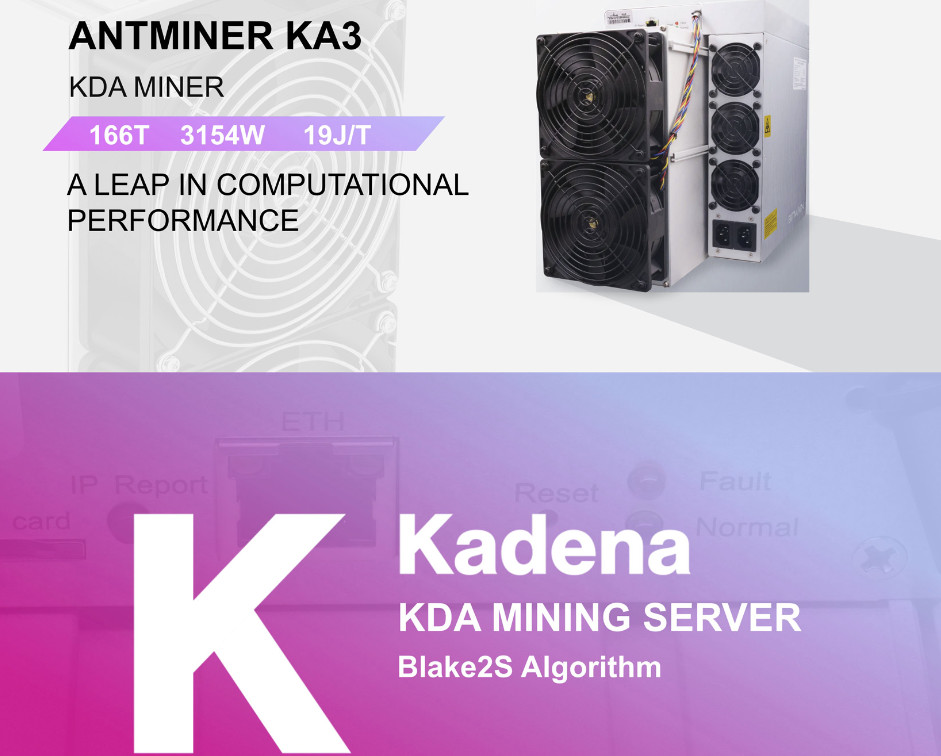
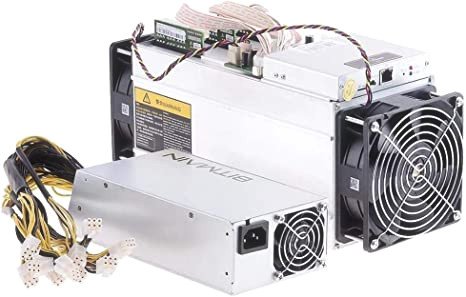
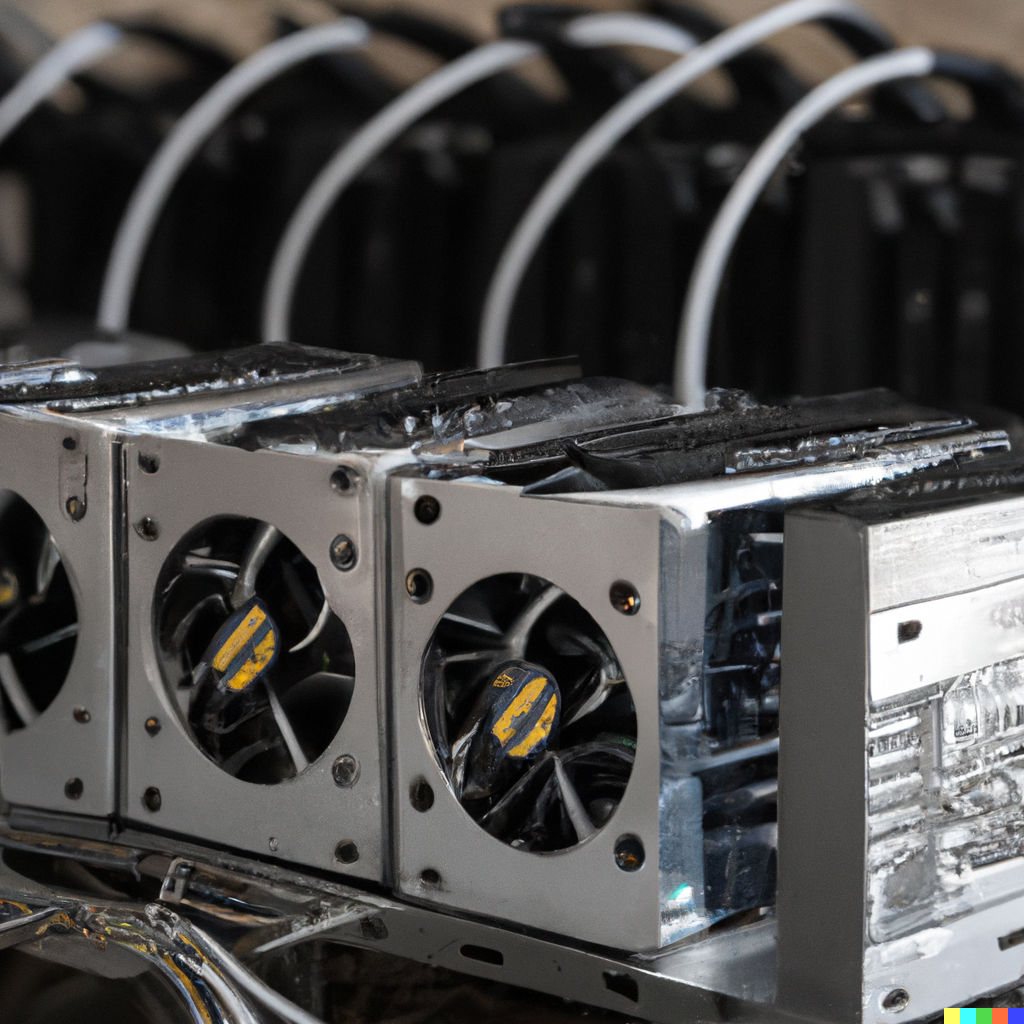
Application-Specific Integrated Circuits (ASICs) are specialized hardware designed specifically for mining cryptocurrencies. Unlike general-purpose CPUs or GPUs, ASIC miners are optimized for the specific algorithms used in Bitcoin mining, making them significantly more efficient. This efficiency is crucial as the mining difficulty increases over time, requiring more computational power to solve the puzzles.
Energy Consumption and Environmental Impact
One of the most significant criticisms of Bitcoin mining is its energy consumption. The process requires substantial electricity, leading to concerns about its environmental impact. According to a report by Bitcoin Magazine, the energy used in mining operations can be equivalent to that of entire countries.
Efforts are being made to mitigate this impact, including the use of renewable energy sources. Some mining operations are located near hydroelectric plants or utilize solar energy to power their rigs. This shift not only reduces the carbon footprint but also helps miners cut down on electricity costs.
Mining Pools: A Collaborative Approach
Mining pools are groups of miners who combine their computational resources to increase their chances of solving a block. By pooling their efforts, miners can receive more consistent payouts, which is particularly beneficial given the increasing difficulty of mining. Popular mining pools include F2Pool and Poolin, which allow miners to share rewards based on their contributed processing power.
The Future of Bitcoin Mining
The future of Bitcoin mining is closely tied to advancements in technology and regulatory developments. As the Bitcoin network evolves, miners will need to adapt to changes in mining difficulty and energy consumption. Additionally, regulatory scrutiny is increasing, with governments around the world considering how to manage the environmental impact of mining operations.
For instance, the CoinDesk recently reported on the legal challenges faced by crypto firms, highlighting the need for clearer regulations in the industry. These developments could shape the landscape of Bitcoin mining in the coming years.
Conclusion
Bitcoin mining remains a vital aspect of the cryptocurrency ecosystem, ensuring the security and integrity of transactions. While it faces challenges related to energy consumption and regulatory scrutiny, ongoing advancements in technology and a shift towards sustainable practices may pave the way for a more efficient and environmentally friendly mining future. For more insights on the latest trends in cryptocurrency, check out the OneMiners article.