
Bitcoin mining has become a significant part of the cryptocurrency ecosystem, allowing individuals and businesses to earn Bitcoin by validating transactions on the blockchain. This article will delve into the essentials of Bitcoin mining, including the necessary equipment, financing options, and how to get started.
What is Bitcoin Mining?
At its core, Bitcoin mining is the process of adding transaction records to Bitcoin’s public ledger, known as the blockchain. Miners use powerful computers to solve complex mathematical problems, which helps secure the network and process transactions. In return for their efforts, miners are rewarded with newly minted Bitcoin.
Essential Equipment for Bitcoin Mining
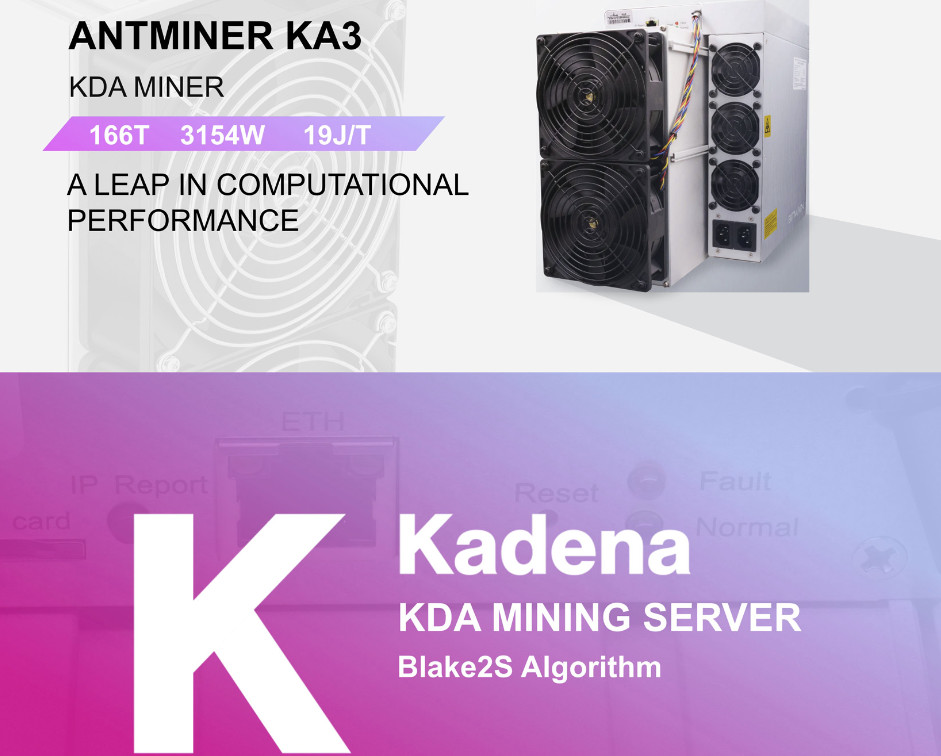
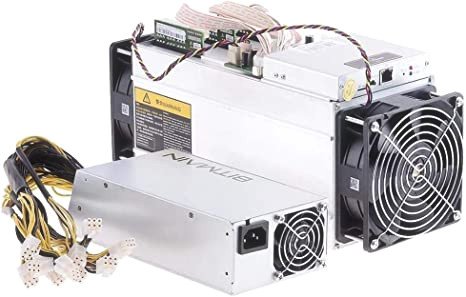
To start mining Bitcoin, you’ll need specialized hardware known as ASIC (Application-Specific Integrated Circuit) miners. These devices are designed specifically for mining and are much more efficient than traditional computers. Some popular models include:
- Antminer S19 Pro
- Whatsminer M30S
- Bitmain Antminer T19
In addition to ASIC miners, you’ll also need:
- A reliable power supply
- Cooling systems to manage heat
- Mining software to connect your hardware to the Bitcoin network
Financing Options for Bitcoin Miners
Starting a Bitcoin mining operation can be capital-intensive, but there are financing options available. One such option is the Buy Now, Pay Later program offered by OneMiners. This allows you to start mining with just 25% down, with the remaining balance spread over three months without finance charges. This can be an attractive option for those looking to minimize upfront costs. For more details, check out the OneMiners article.
Understanding the Costs Involved
The costs associated with Bitcoin mining include:
- Initial hardware investment
- Electricity costs, which can be significant depending on your location
- Maintenance and cooling expenses
It’s essential to calculate your potential return on investment (ROI) before diving into mining. Factors such as Bitcoin’s market price and mining difficulty can significantly impact profitability.
Market Trends and Future of Bitcoin Mining
As the cryptocurrency market evolves, so do the strategies and technologies used in Bitcoin mining. Recent discussions in the industry suggest that investors are looking beyond mere market-cap rankings and focusing on fundamentals, which could influence mining operations and profitability in the future. For more insights, read the CoinDesk article.
Additionally, regulatory developments can impact mining operations. For instance, the recent SEC meeting highlighted ongoing discussions about cryptocurrency regulations that could affect miners. Learn more about this in the CoinDesk article.
Conclusion
Bitcoin mining presents an exciting opportunity for those looking to engage with the cryptocurrency market. By understanding the necessary equipment, financing options, and market trends, you can position yourself for success in this dynamic field. Whether you’re a seasoned investor or a newcomer, staying informed is key to navigating the complexities of Bitcoin mining.
Additional reading: Edelman Financial, Tudor Investment Reveal Significant Bitcoin Holdings from Bitcoin Magazine.