

Bitcoin mining has undergone significant transformations over the years, driven by technological advancements and regulatory changes. As the industry evolves, understanding these trends is crucial for miners and investors alike.
Understanding Bitcoin Mining
Bitcoin mining involves validating transactions on the Bitcoin network and adding them to the blockchain. Miners use powerful computers to solve complex mathematical problems, which in turn secures the network and earns them Bitcoin as a reward.
Technological Advancements
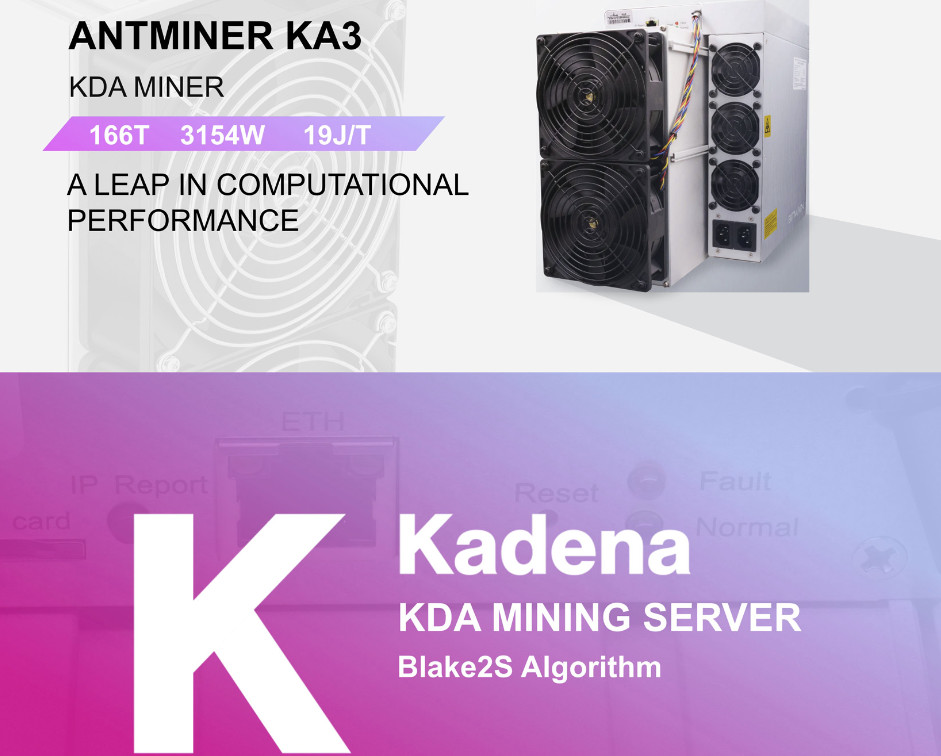
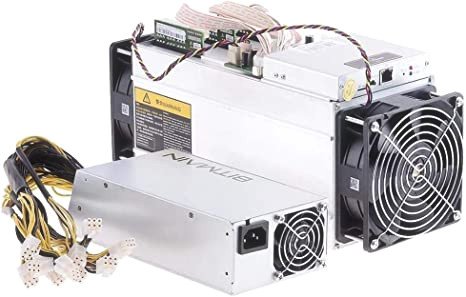
Recent developments in mining technology have led to increased efficiency and profitability. ASIC (Application-Specific Integrated Circuit) miners have become the standard due to their superior performance compared to traditional GPUs. These machines are specifically designed for mining, offering higher hash rates and lower energy consumption.
Moreover, the integration of artificial intelligence (AI) into mining operations has started to pay off. Miners leveraging AI can optimize their operations, reduce costs, and improve their overall profitability. According to a CoinDesk article, miners with AI contracts have commanded higher valuations, highlighting the importance of technological adaptation in this competitive landscape.
Regulatory Landscape for Bitcoin Mining
The regulatory environment surrounding Bitcoin mining is also evolving. For instance, a recent OneMiners article discusses how Chinese citizens can legally mine crypto by hosting their ASICs abroad. This development comes after the closure of offshore routes in mainland China, allowing miners to adapt to new regulations while still participating in the global market.
As regulations tighten in various regions, miners must stay informed about compliance requirements to avoid potential penalties. This includes understanding local laws regarding energy consumption and environmental impact, which are becoming increasingly scrutinized.
Energy Consumption and Sustainability
Energy consumption is a critical issue in Bitcoin mining. The industry has faced criticism for its high energy demands, prompting many miners to seek sustainable energy sources. Renewable energy solutions, such as solar and wind, are gaining traction as miners look to reduce their carbon footprint.
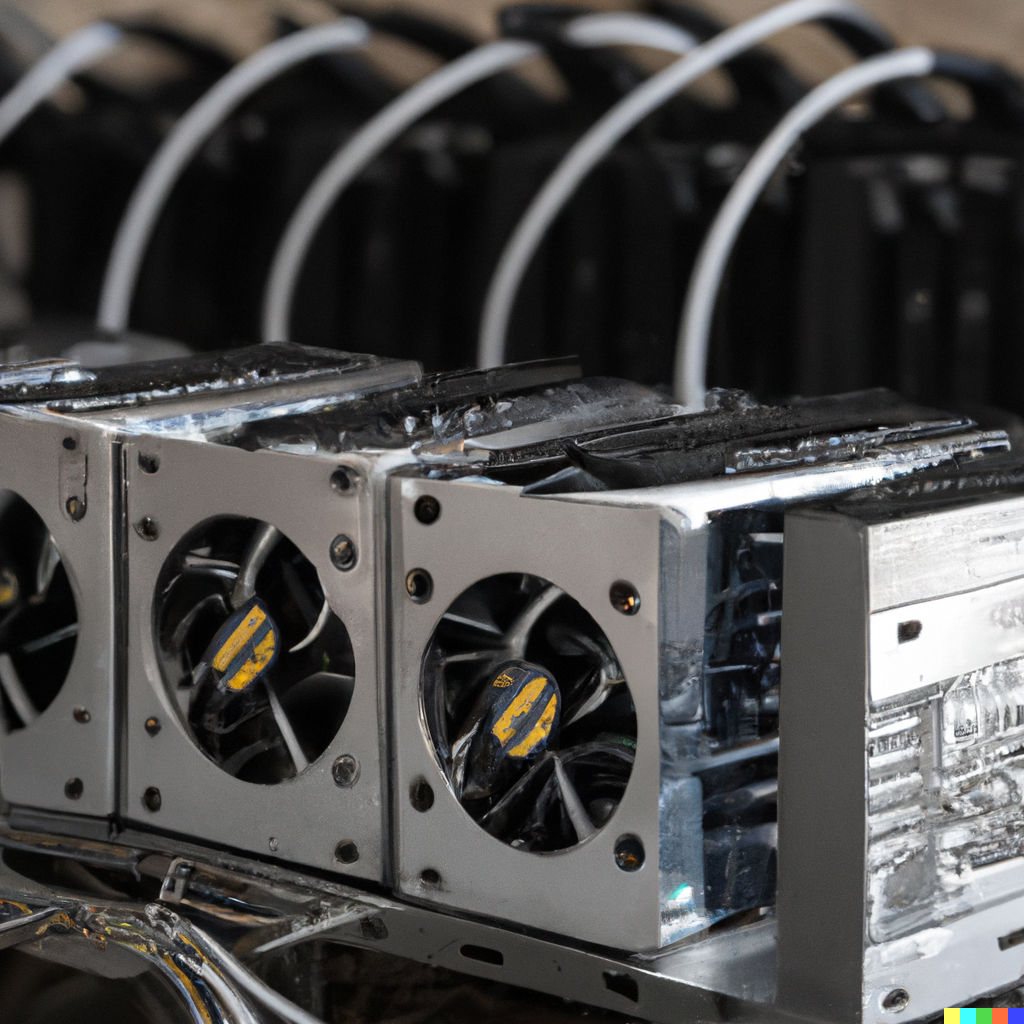
In addition, some companies are exploring innovative cooling systems to enhance efficiency. These systems can significantly lower energy costs and improve the overall sustainability of mining operations.
Market Trends and Future Outlook
The future of Bitcoin mining is closely tied to market trends. As institutional interest in cryptocurrency grows, companies like Citi are launching services to cater to this demand. According to Bitcoin Magazine, Citi’s new Custody+ service will allow institutional investors to hold Bitcoin alongside traditional assets, indicating a shift towards mainstream acceptance of cryptocurrency.
Additionally, the potential for Bitcoin mining to revive with new twists in technology and market dynamics remains a topic of interest. Miners must remain agile, adapting to changes in both technology and regulation to thrive in this evolving landscape.
Conclusion
As Bitcoin mining continues to evolve, staying informed about technological advancements and regulatory changes is essential for success. By embracing innovation and sustainability, miners can navigate the challenges and opportunities that lie ahead in this dynamic industry.