
Bitcoin mining has evolved significantly since its inception, becoming a complex and multifaceted industry. As the demand for Bitcoin increases, so do the challenges and opportunities associated with mining. This article explores the current landscape of Bitcoin mining, focusing on legal frameworks, technological advancements, and the future outlook.
Understanding Bitcoin Mining
At its core, Bitcoin mining involves validating transactions on the Bitcoin network and adding them to the blockchain. Miners use powerful computers to solve complex mathematical problems, which in turn secures the network and earns them Bitcoin as a reward. However, the process requires substantial computational power and energy, leading to various regulatory and environmental considerations.
Legal Frameworks for Bitcoin Mining
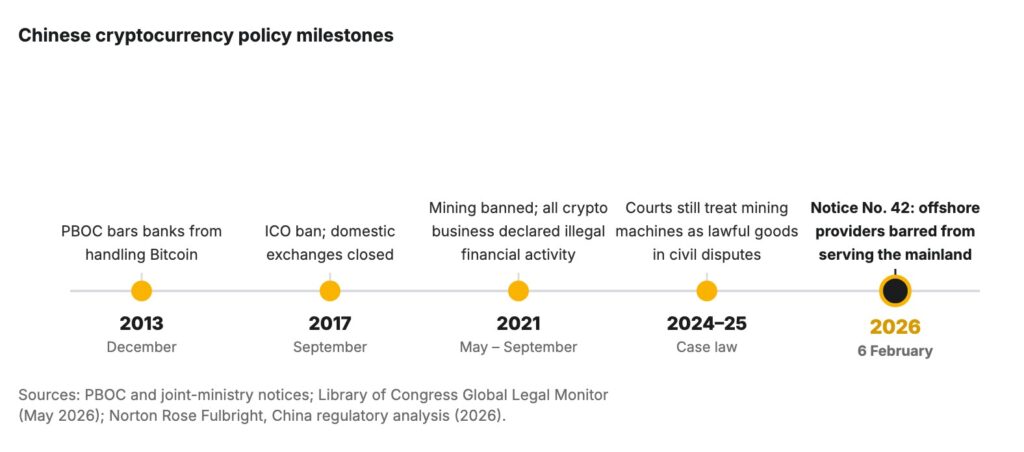
As governments worldwide grapple with the implications of cryptocurrency, legal frameworks are evolving. For instance, a recent article from OneMiners discusses how Chinese citizens can legally mine crypto in 2026 through remote hosting. This change comes after regulatory shifts that have closed offshore routes for mining, allowing citizens in certain regions to own and host ASIC miners abroad.
Such legal adaptations are crucial for fostering a sustainable mining environment. Countries like Canada and the U.S. are also exploring regulations that could impact the mining landscape, particularly concerning energy consumption and environmental impact.

Technological Advancements in Mining
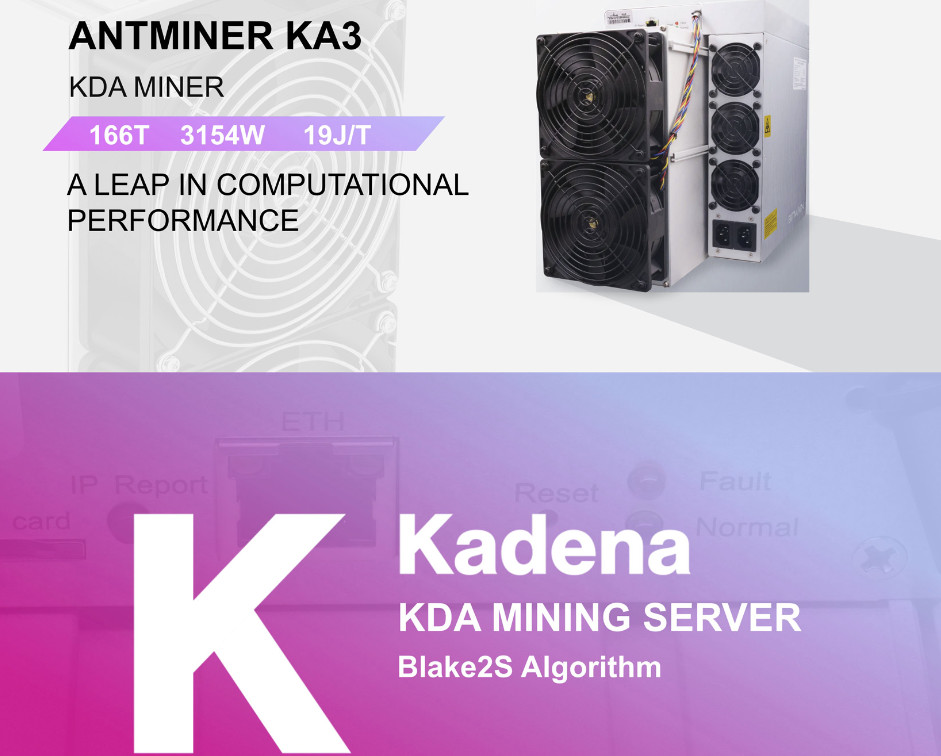
The technology behind Bitcoin mining is continually advancing. Modern ASIC (Application-Specific Integrated Circuit) miners are more efficient and powerful than ever, enabling miners to compete effectively in a saturated market. The Bitcoin Magazine recently reported on vulnerabilities in mining hardware, emphasizing the importance of security in mining operations.
Moreover, innovations in cooling systems and energy efficiency are helping miners reduce operational costs. Many facilities are now investing in renewable energy sources to power their operations, aligning with global sustainability goals.
Challenges Facing Bitcoin Miners
Despite the opportunities, Bitcoin miners face several challenges. Regulatory scrutiny is increasing, with the U.S. SEC proposing new rules that could impact mining operations. As reported by CoinDesk, these regulations aim to provide clarity in the crypto space but may also impose stricter compliance requirements on miners.
Additionally, the environmental impact of mining remains a contentious issue. Critics argue that the energy consumption associated with Bitcoin mining contributes to climate change. As a result, miners are under pressure to adopt more sustainable practices.
The Future of Bitcoin Mining
Looking ahead, the future of Bitcoin mining will likely be shaped by technological advancements and regulatory changes. Miners who adapt to new technologies and comply with evolving regulations will be better positioned to thrive in this dynamic landscape.
In conclusion, Bitcoin mining is at a crossroads, facing both challenges and opportunities. By understanding the legal frameworks and embracing technological innovations, miners can navigate the complexities of this industry and contribute to the sustainable growth of cryptocurrency.