
Bitcoin mining has evolved significantly since its inception, becoming a cornerstone of the cryptocurrency ecosystem. As we delve into 2026, understanding the latest trends and technologies in Bitcoin mining is crucial for investors and enthusiasts alike.
The Rise of ASIC Miners
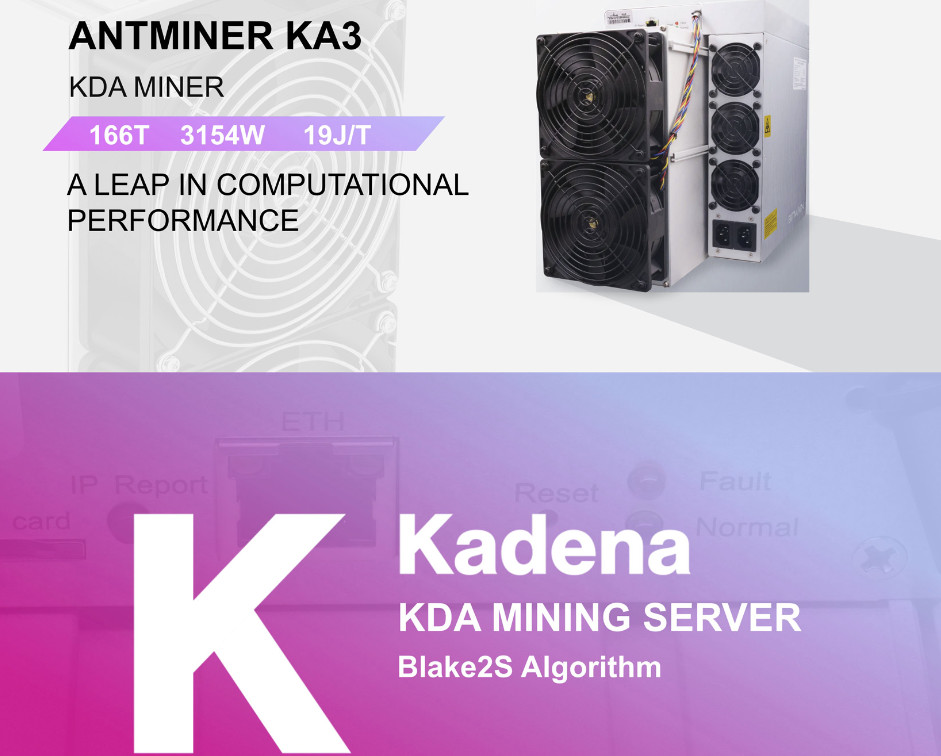
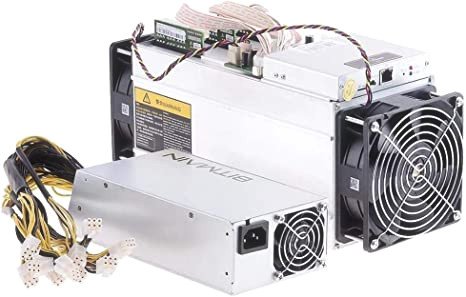
Application-Specific Integrated Circuits (ASICs) have revolutionized Bitcoin mining by providing unparalleled efficiency and performance. According to a recent article from OneMiners, search interest in ASIC hardware has surged by 22% in just three months, highlighting the growing demand for these specialized devices. The article ranks the top 10 ASIC miners based on real economic data, showcasing their profitability across different electricity rates.
Economic Factors Influencing Mining
The profitability of Bitcoin mining is heavily influenced by several economic factors, including electricity costs and Bitcoin’s market price. As noted by CoinDesk, recent market movements suggest that Bitcoin’s price is on the rise, which could further incentivize mining operations. The article discusses how the Treasury’s measures impact market sentiment, indirectly affecting mining profitability.
Moreover, the competition among miners is intensifying as more players enter the market. This competition drives innovation, pushing manufacturers to develop more efficient ASICs that consume less power while delivering higher hash rates.
Environmental Considerations
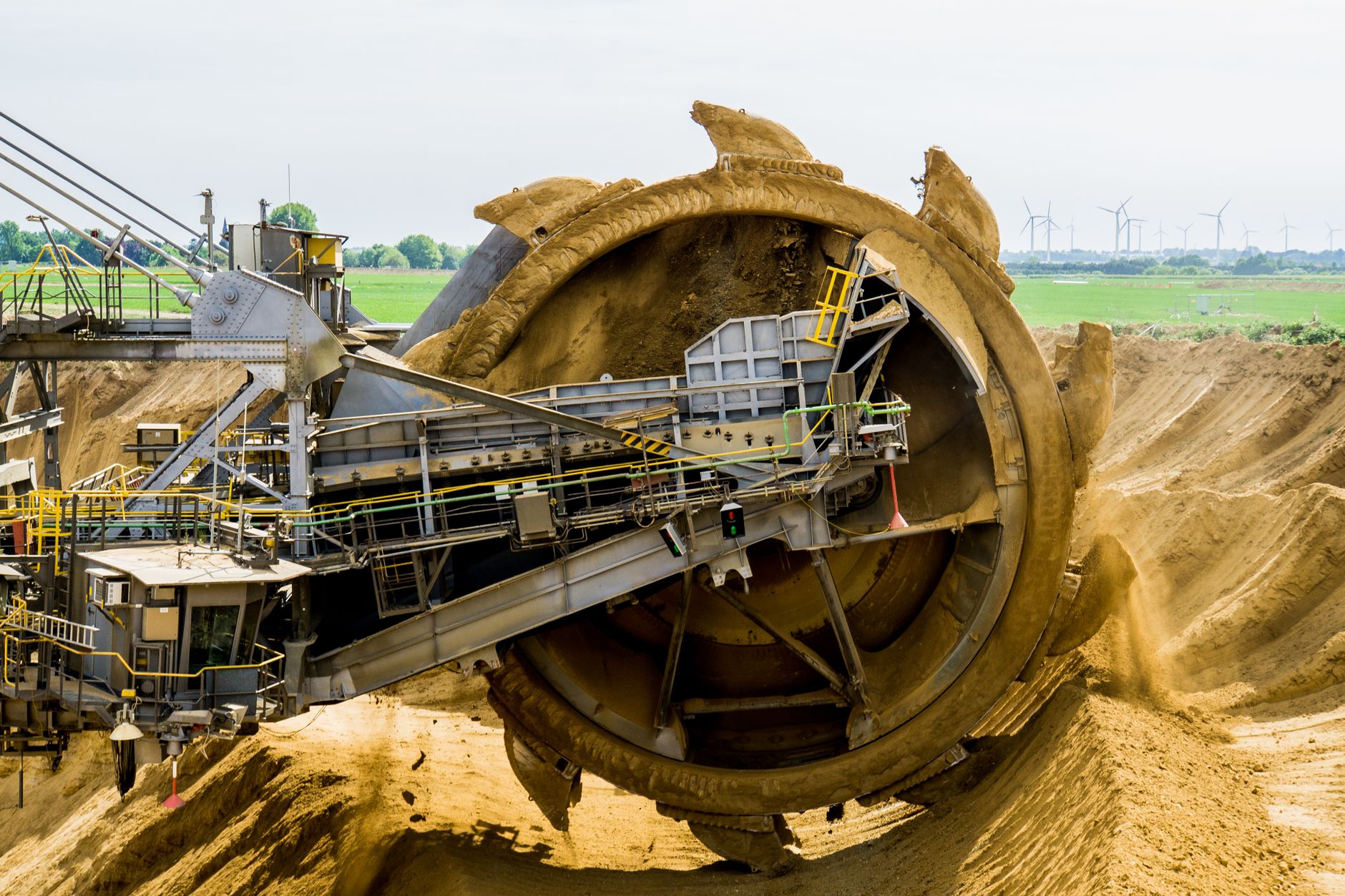
As Bitcoin mining continues to grow, so do concerns about its environmental impact. The energy consumption of mining operations has come under scrutiny, prompting discussions about sustainable practices. Miners are increasingly exploring renewable energy sources to mitigate their carbon footprint. The Decrypt article highlights how some mining operations are integrating AI technologies to optimize energy use and reduce waste.
Future Trends in Bitcoin Mining
Looking ahead, several trends are likely to shape the future of Bitcoin mining. The integration of AI and machine learning technologies is expected to enhance operational efficiency. Additionally, as regulatory frameworks evolve, miners may need to adapt their strategies to comply with new laws and standards.
Furthermore, the ongoing development of mining hardware will continue to play a crucial role in the industry. As highlighted in the Bitcoin Magazine, experts predict that Bitcoin could attract more buyers as market conditions stabilize, potentially increasing mining activity.

Conclusion
Bitcoin mining remains a dynamic and rapidly evolving field. With advancements in ASIC technology, economic factors influencing profitability, and growing environmental concerns, miners must stay informed and adaptable. As we move further into 2026, the landscape of Bitcoin mining will undoubtedly continue to change, presenting both challenges and opportunities for those involved.