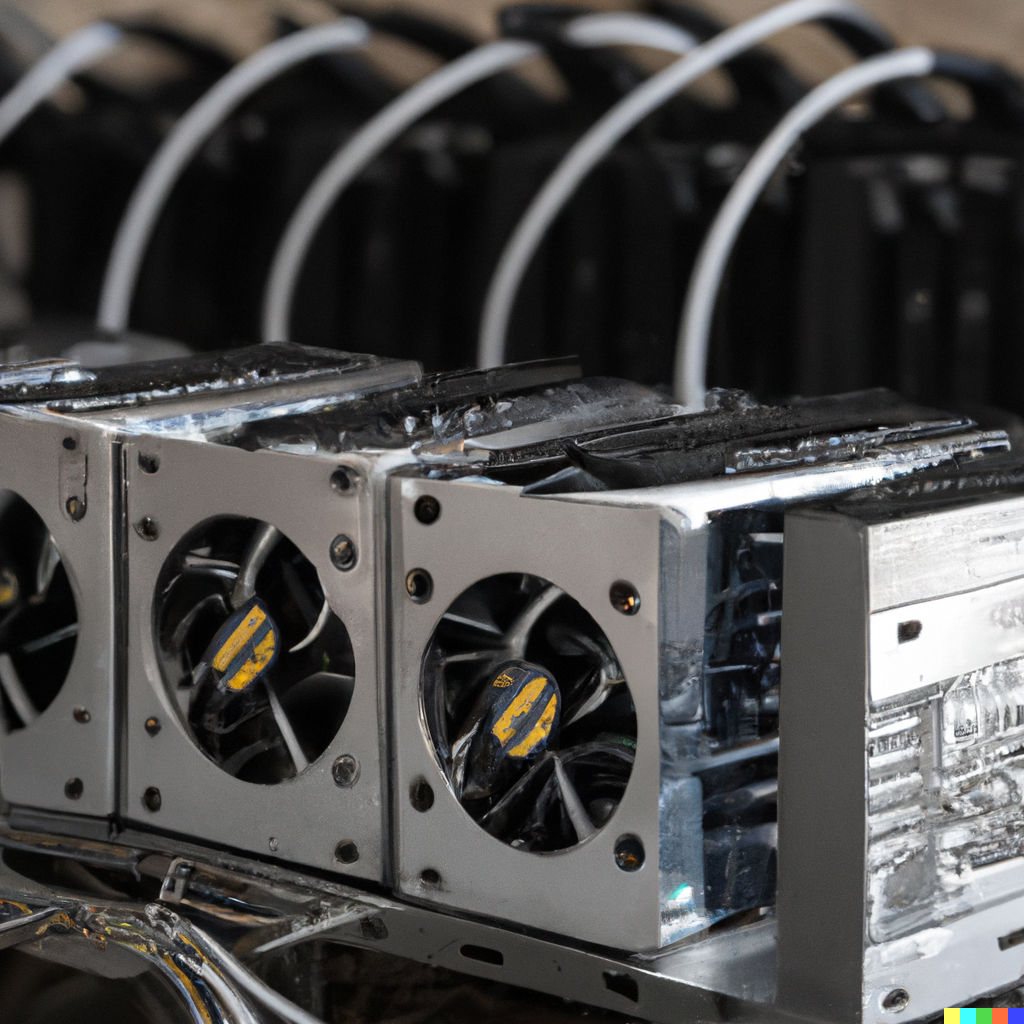


Bitcoin mining is a crucial aspect of the cryptocurrency ecosystem, serving as the backbone for transaction validation and security. Recently, the Bitcoin mining difficulty has seen significant fluctuations, which can directly impact miners and the broader market.
What is Bitcoin Mining Difficulty?
Bitcoin mining difficulty refers to how challenging it is to find a new block in the Bitcoin blockchain. This difficulty adjusts approximately every two weeks, based on the total computational power of the network. A higher difficulty means that miners need more computational power to solve cryptographic puzzles and earn Bitcoin rewards.
Recent Changes in Mining Difficulty
As reported by OneMiners, the Bitcoin mining difficulty recently fell by 19.9% from its peak, sitting at 127.48 trillion hashes after the adjustment on August 8, 2026. This decline marks a significant shift, as it is only the second time in history that the difficulty has dropped below year-earlier levels.
This reduction in difficulty can be seen as a capitulation phase for many miners, especially those operating older or less efficient hardware. The adjustment can provide temporary relief for miners still active in the network, allowing them to earn rewards more easily.

Implications for Miners
For miners, a decrease in difficulty can have both positive and negative implications:
- Increased Profitability: Miners with efficient hardware may find it easier to earn Bitcoin, as the lower difficulty means they can solve blocks more quickly.
- Market Dynamics: A significant drop in difficulty may indicate that less efficient miners are exiting the market, potentially leading to a more concentrated mining landscape.
- Hardware Upgrades: Miners may consider upgrading their equipment to remain competitive, especially if they anticipate further fluctuations in difficulty.
Market Reactions
The cryptocurrency market often reacts to changes in mining difficulty. According to Bitcoin Magazine, analysts suggest that the recent changes in mining difficulty could support a rebound in Bitcoin prices. As mining becomes less competitive, the stability of the network may improve, attracting more investors.
Additionally, CoinDesk reports that the overall health of the cryptocurrency market is influenced by mining dynamics, as they play a pivotal role in transaction validation and security.
Future Outlook for Bitcoin Mining
The future of Bitcoin mining will likely continue to be shaped by technological advancements and market conditions. As more miners exit the market due to rising operational costs, the remaining miners may benefit from reduced competition.
Moreover, the integration of AI and machine learning in mining operations is becoming increasingly prevalent. A recent article from Decrypt highlights how developers are actively scanning the Bitcoin ecosystem for vulnerabilities, ensuring that the network remains secure against potential threats.
Conclusion
Understanding Bitcoin mining difficulty is essential for anyone involved in the cryptocurrency space. As the difficulty fluctuates, it presents both challenges and opportunities for miners. Staying informed about these changes can help miners make strategic decisions regarding their operations and investments.