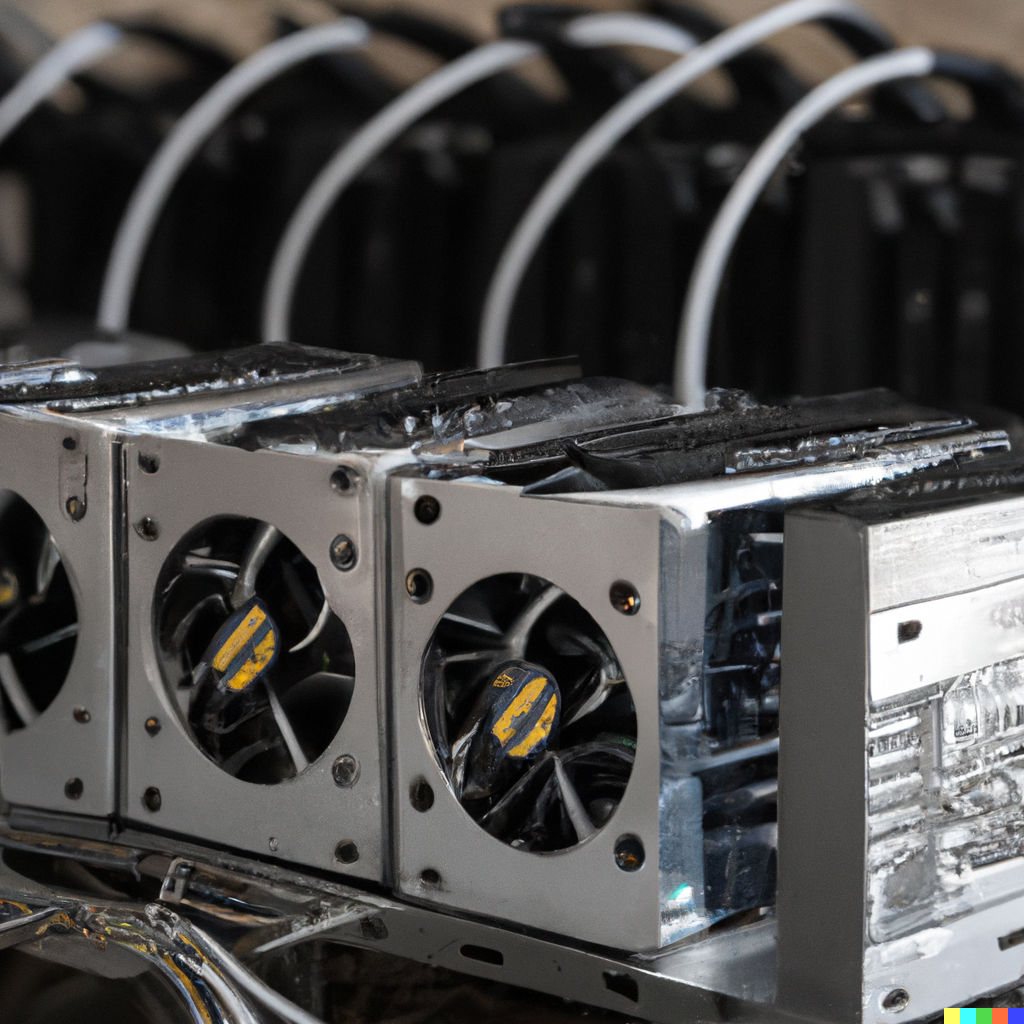


Bitcoin mining has become a critical component of the cryptocurrency ecosystem, serving not only to validate transactions but also to secure the network. Recently, the Bitcoin mining difficulty saw a significant drop of 19.9% from its peak, which has raised questions about what this means for miners and the broader market.
What is Bitcoin Mining Difficulty?
Bitcoin mining difficulty is a measure of how hard it is to find a new block in the blockchain. This metric adjusts approximately every two weeks, based on the total computational power of the network. When more miners join the network, the difficulty increases, and when miners leave, it decreases.
Recent Changes in Difficulty
As of August 8, 2026, the mining difficulty sat at 127.48 trillion, marking a notable decrease from its all-time high. This adjustment is significant as it is only the second time in history that the difficulty has fallen below year-earlier levels. For miners still operating, this change can directly impact their profitability and operational strategies (OneMiners).

Implications for Miners
The reduction in mining difficulty can be a double-edged sword. On one hand, it may allow miners with less powerful hardware to remain competitive. On the other hand, it could indicate a capitulation phase where many miners are forced to shut down operations due to unprofitability.
Miners need to assess their operational costs, including electricity and hardware efficiency, to determine if they can continue to mine profitably. As the difficulty decreases, the potential rewards for mining also change, affecting the overall economics of the operation.
Market Reactions
Market sentiment often reacts to changes in mining difficulty. A significant drop can lead to increased interest from new miners looking to enter the space, while existing miners may reevaluate their strategies. According to Pantera Capital, the recent fluctuations in Bitcoin’s price and mining difficulty may indicate a bullish trend for the cryptocurrency.
Future Outlook
As Bitcoin continues to evolve, the mining landscape will also change. Factors such as energy costs, technological advancements in mining hardware, and regulatory developments will play crucial roles in shaping the future of Bitcoin mining.
Investors and miners alike should stay informed about these changes to make strategic decisions. The ongoing dialogue in the community, including insights from industry leaders, will be vital in navigating this dynamic environment.
Conclusion
Understanding Bitcoin mining difficulty and its implications is essential for anyone involved in the cryptocurrency space. The recent drop in difficulty presents both challenges and opportunities for miners. By staying informed and adapting to changes, miners can better position themselves for success in the evolving landscape of Bitcoin.
Additional reading: Crypto exchange BitMart weighs partial restart and creditor payouts weeks after announcing shutdown from CoinDesk.