
Bitcoin mining has evolved significantly since its inception, becoming a complex blend of technology and economics. As we look toward the future, particularly in 2026, several challenges and innovations are shaping this industry.
Understanding Bitcoin Mining
At its core, Bitcoin mining involves solving complex mathematical problems to validate transactions on the blockchain. Miners use powerful computers to compete for rewards in the form of newly minted bitcoins. However, this process is not without its challenges, particularly concerning noise and energy consumption.

Noise and Heat Management
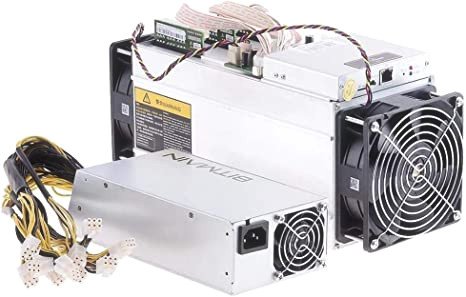
One of the pressing issues in Bitcoin mining is noise pollution. A typical Antminer S21 generates around 75 dB, which is comparable to a vacuum cleaner. This level of noise can be disruptive, especially in residential areas. The OneMiners article discusses potential solutions, including soundproofing and strategic placement of mining rigs.
Moreover, Bitcoin miners generate substantial heat, approximately 12,000 BTU/hr. This heat can be repurposed for residential heating or other applications, turning a potential waste product into a valuable resource. The concept of heat reuse is gaining traction as miners seek to improve their sustainability and reduce operational costs.
Technological Innovations in Mining
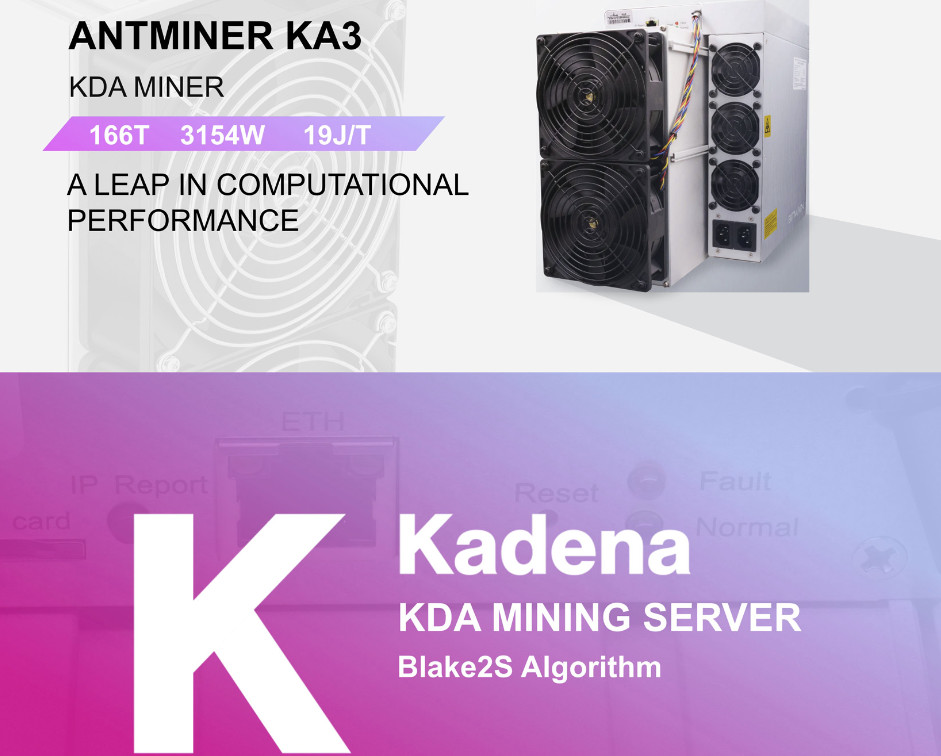
As the Bitcoin network grows, so does the need for more efficient mining technologies. Innovations in ASIC (Application-Specific Integrated Circuit) miners are crucial for enhancing performance while minimizing energy consumption. Newer models are designed to operate more quietly and efficiently, addressing some of the noise and heat issues previously mentioned.
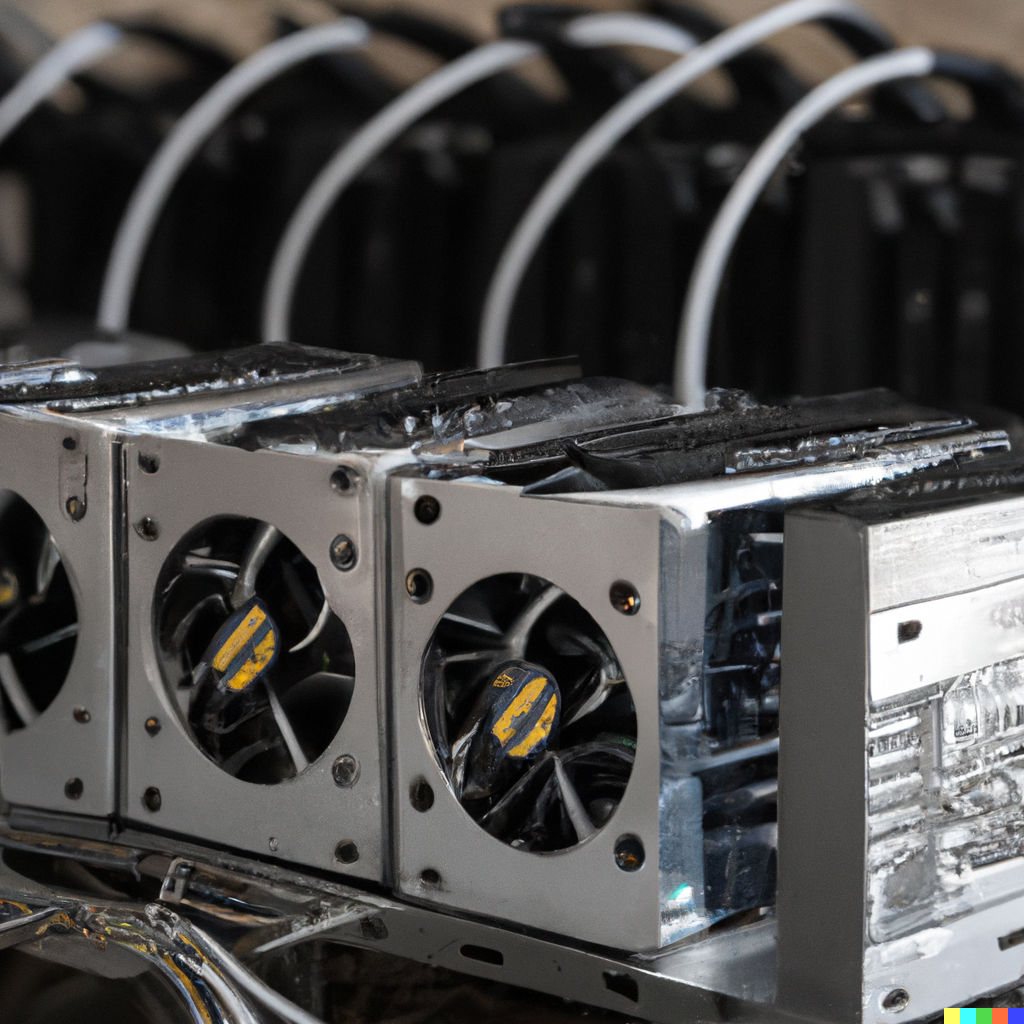
Additionally, advancements in cooling systems are essential. Effective cooling not only prolongs the lifespan of mining equipment but also enhances overall efficiency. Miners are increasingly investing in sophisticated cooling solutions to maintain optimal operating temperatures.
The Economic Landscape of Bitcoin Mining
Bitcoin mining is not just a technical endeavor; it is also deeply intertwined with economic factors. The profitability of mining operations can fluctuate based on Bitcoin’s market price, energy costs, and mining difficulty. Analysts suggest that as Bitcoin moves out of its bear market, mining could become more lucrative. According to Bitcoin Magazine, there are indications that Bitcoin is no longer oversold, which could signal a potential breakout in the market.
Moreover, regulatory developments, such as Japan’s plans for a blockchain-based settlement system, could influence the broader cryptocurrency landscape, impacting mining operations as well. These changes may attract more institutional investors, further driving demand for Bitcoin and, consequently, mining activities. For more insights, check out the article from CoinDesk.
Future Considerations
As we approach 2026, Bitcoin mining will likely face both challenges and opportunities. The industry must adapt to increasing scrutiny regarding energy consumption and environmental impact. Miners who can innovate and implement sustainable practices will be better positioned for success.
In conclusion, the future of Bitcoin mining is poised for transformation. By addressing noise and heat management, embracing technological advancements, and navigating economic shifts, miners can thrive in an ever-evolving landscape.