
Bitcoin mining has evolved significantly over the years, and as we look towards 2026, understanding the landscape is crucial for anyone interested in entering this space. With the right knowledge and resources, you can set up a successful mining operation that capitalizes on cheap electricity and efficient technology.
Understanding Bitcoin Mining
At its core, Bitcoin mining is the process of validating transactions on the Bitcoin network and adding them to the blockchain. Miners use powerful computers to solve complex mathematical problems, and in return, they are rewarded with Bitcoin. However, the profitability of mining is heavily influenced by factors such as electricity costs, hardware efficiency, and market conditions.
Why Cheap Electricity Matters
One of the most significant expenses in Bitcoin mining is electricity. As highlighted in a recent OneMiners article, miners should prioritize locations with access to cheap electricity. This can drastically improve profit margins and make mining operations more sustainable.
When considering a mining setup, it’s essential to calculate your power budget in kilowatts before investing in hardware. Efficiency, measured in joules per terahash (J/TH), is more critical than just hash rate. A well-planned operation will consider not only the cost of hardware but also the expenses related to electrical work and maintenance.

Choosing the Right Hardware
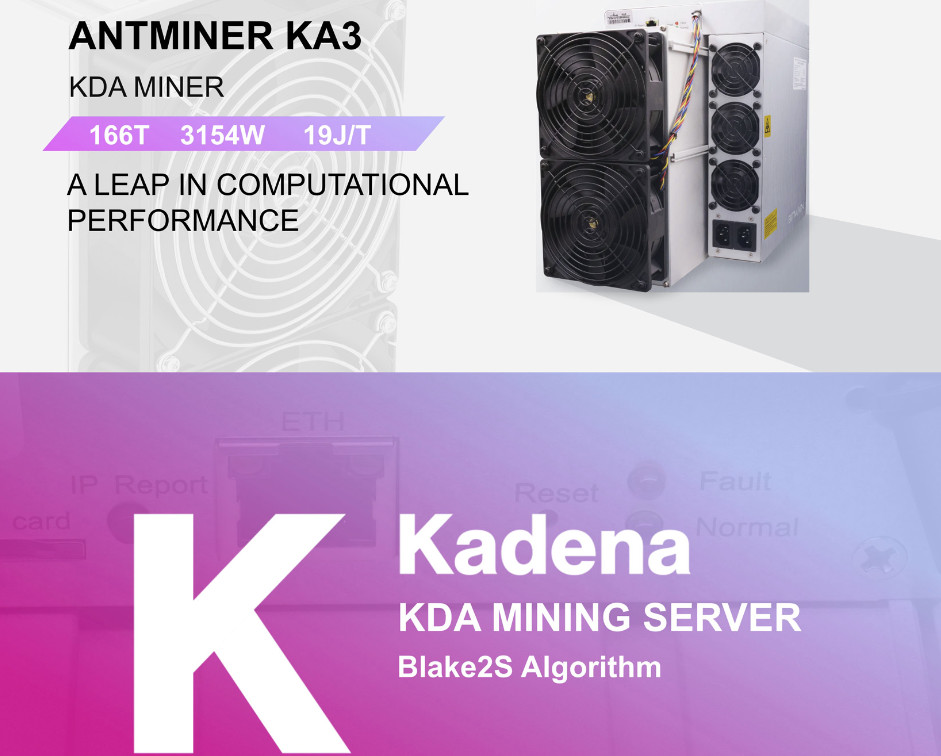
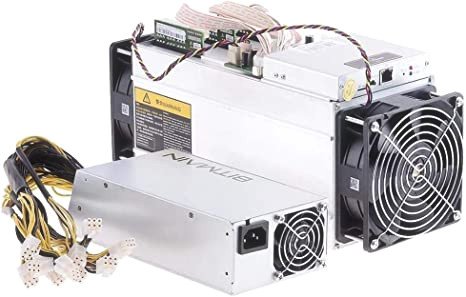
Investing in the right mining hardware is crucial. ASIC miners are the most efficient machines available today, designed specifically for Bitcoin mining. When selecting hardware, consider factors such as:
- Hash Rate: The speed at which a miner can solve Bitcoin blocks.
- Energy Consumption: How much electricity the hardware uses.
- Initial Cost: The upfront investment required for the hardware.
As you plan your mining operation, remember that it’s not just about the hardware. You also need to account for cooling systems, power infrastructure, and backup solutions to ensure your operation runs smoothly.
Market Trends and Future Outlook
The Bitcoin market is constantly changing, influenced by various factors including regulatory developments and technological advancements. For instance, a recent report from CoinDesk suggests that many potential investors are shifting their focus from traditional Bitcoin investments to micro-investing and more controlled options.
Moreover, as Bitcoin continues to gain traction, the demand for mining will likely increase, making it essential for miners to stay updated on market trends and adapt their strategies accordingly. The recent surge in Bitcoin prices, driven by ETF investments, has also highlighted the volatility and potential profitability of mining operations.
Additional reading: Bitcoin Cools Off After $3 Billion ETF-Driven Surge from Bitcoin Magazine.
Conclusion
Starting a Bitcoin mining operation in 2026 requires careful planning and consideration of various factors, including electricity costs, hardware efficiency, and market trends. By focusing on these elements, you can build a successful mining operation that stands the test of time. For more insights on how to start Bitcoin mining, check out the comprehensive guide on OneMiners.