
Bitcoin mining has evolved significantly over the years, and as we approach 2026, understanding the nuances of this process is crucial for both new and experienced miners. With the increasing complexity of mining operations and the rising costs associated with electricity, having a strategic approach is essential.
Understanding Bitcoin Mining
At its core, Bitcoin mining involves validating transactions on the Bitcoin network and adding them to the blockchain. Miners use powerful computers to solve complex mathematical problems, and in return, they are rewarded with newly minted bitcoins. However, the profitability of mining is heavily influenced by factors such as electricity costs, hardware efficiency, and market conditions.
Key Factors to Consider
- Electricity Costs: One of the most significant expenses in mining is electricity. Miners should seek locations with cheap electricity to maximize profits. According to a OneMiners article, understanding your power budget in kilowatts is essential before investing in hardware.
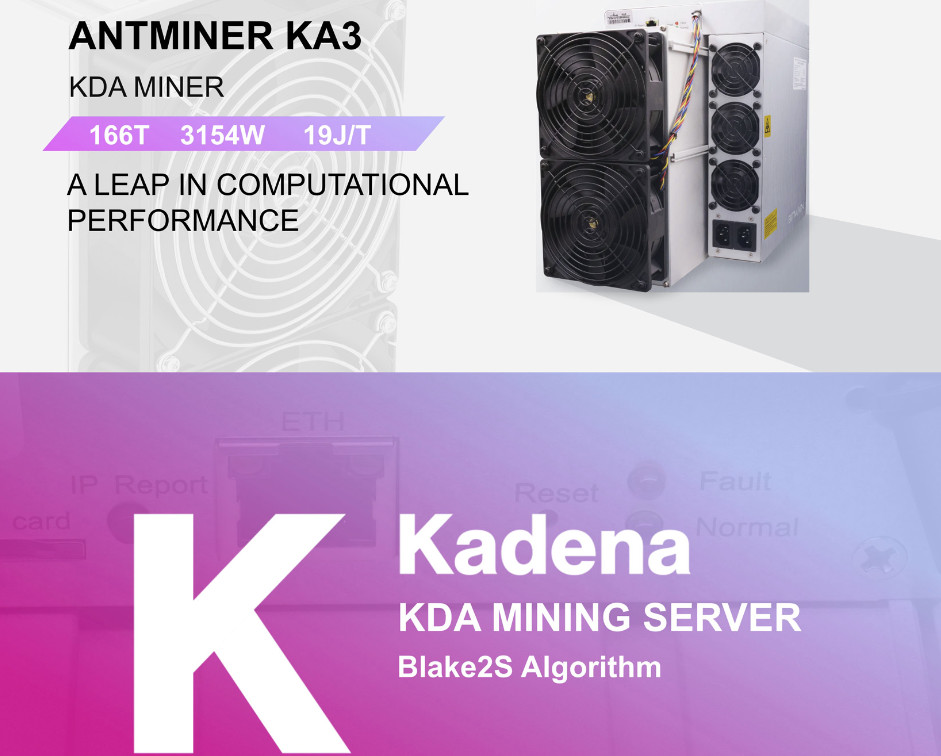
- Hardware Efficiency: The efficiency of mining hardware, measured in joules per terahash (J/TH), is crucial. Miners should prioritize equipment that offers the best efficiency to ensure they retain more of their earnings.
- Market Conditions: The price of Bitcoin and the overall market sentiment can greatly impact mining profitability. Staying informed about market trends is vital for making strategic decisions.
Choosing the Right Equipment
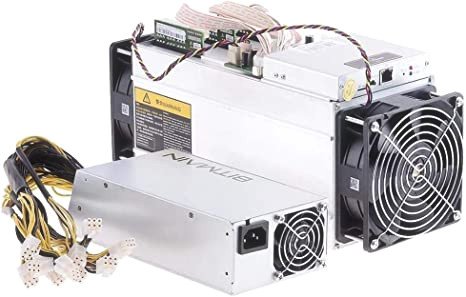
Investing in the right mining equipment is critical. ASIC miners are the most popular choice due to their high efficiency and performance. However, miners should also consider the total cost of ownership, including maintenance and potential upgrades.
Budgeting for Mining Operations
When budgeting for a mining operation, it’s important not to allocate your entire budget to hardware. As highlighted in the OneMiners guide, miners should account for electrical work, spare parts, and a financial cushion for unexpected expenses.
Staying Compliant and Secure
As regulations around cryptocurrency continue to evolve, miners must stay compliant with local laws. This includes understanding tax implications and ensuring that their operations meet safety standards. Additionally, securing mining operations against potential cyber threats is paramount.
Future Trends in Bitcoin Mining
Looking ahead, the landscape of Bitcoin mining is likely to change with advancements in technology and shifts in regulatory frameworks. Miners should keep an eye on developments such as the integration of renewable energy sources and innovations in mining hardware.
For more insights into the future of Bitcoin and its market dynamics, check out this CoinDesk article discussing recent market movements.
Additional reading: Bitcoin Cools Off After $3 Billion ETF-Driven Surge from Bitcoin Magazine.
Conclusion
Bitcoin mining in 2026 presents both challenges and opportunities. By understanding the key factors that influence profitability and staying informed about market trends, miners can position themselves for success. Whether you are just starting or looking to optimize your existing operations, strategic planning is essential.