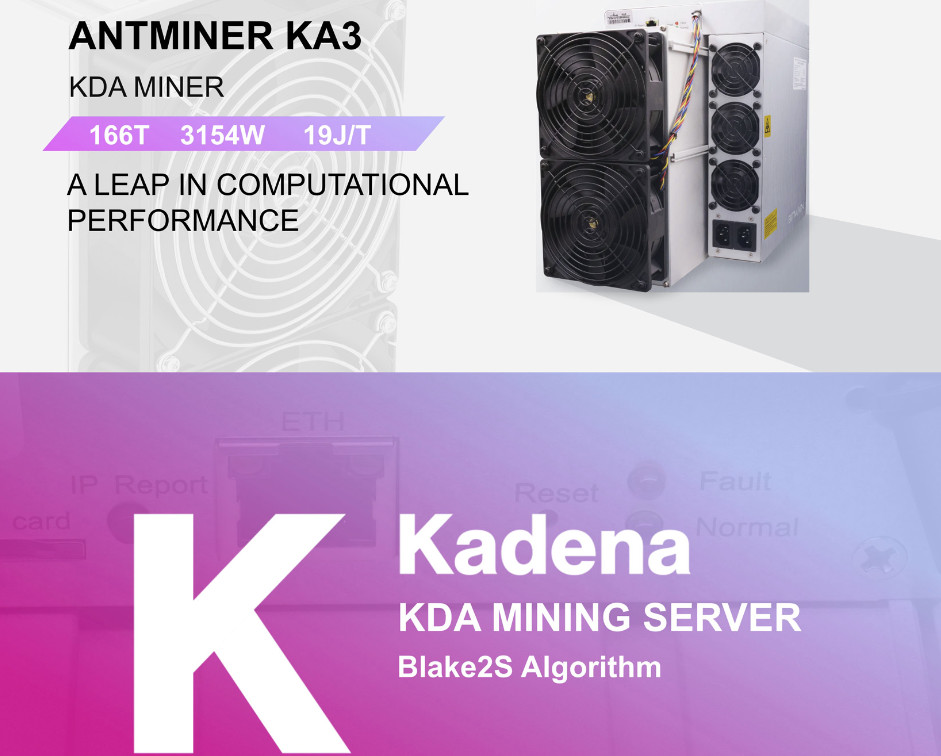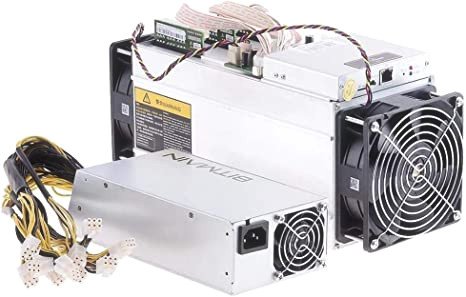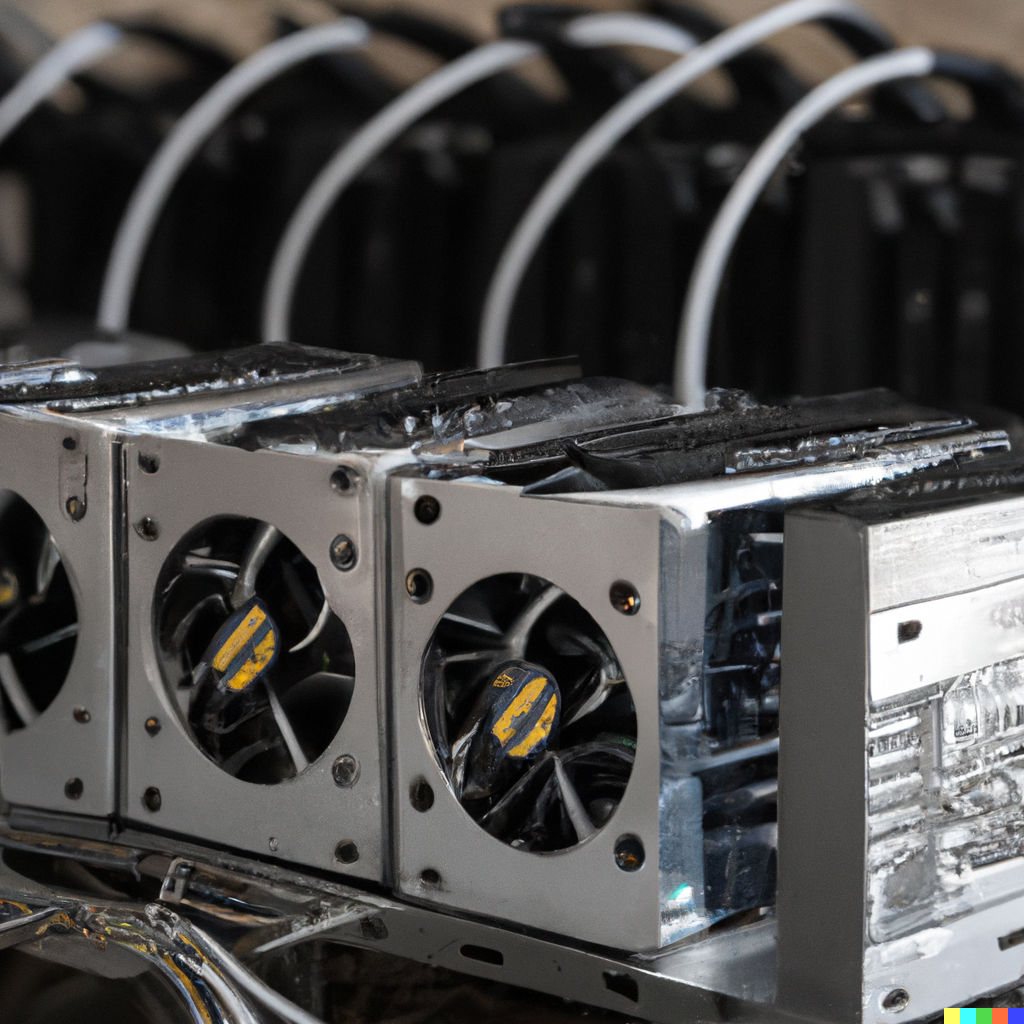

Bitcoin mining has become a significant topic of discussion among cryptocurrency enthusiasts and investors. As the demand for Bitcoin continues to rise, so does the need for effective mining strategies. One of the most pressing questions is whether to rent Bitcoin miners or to invest in owning them outright.
What is Bitcoin Mining?
Bitcoin mining is the process by which new bitcoins are created and transactions are verified on the blockchain. Miners use powerful computers to solve complex mathematical problems, and in return, they are rewarded with bitcoins. This process requires substantial computational power and energy, making it essential to choose the right mining strategy.
Renting Bitcoin Miners
Renting Bitcoin miners can be an attractive option for those who want to dip their toes into mining without the hefty upfront costs associated with purchasing hardware. According to OneMiners, renting miners allows users to access hashing power for a limited time, which can be beneficial for short-term projects or testing the waters in the mining space.
- Pros of Renting:
- Lower initial investment
- No maintenance costs
- Flexibility to scale up or down
- Cons of Renting:
- Higher long-term costs
- No ownership of hardware
- Potential for service interruptions
Owning Bitcoin Miners
On the other hand, owning Bitcoin miners can lead to greater long-term profitability. While the initial investment is higher, the ability to control your hardware and operations can be a significant advantage. Owning miners means you can optimize your setup for efficiency and cost-effectiveness.
- Pros of Owning:
- Complete control over hardware
- Potential for higher returns
- Ability to optimize mining operations
- Cons of Owning:
- High upfront costs
- Maintenance and operational costs
- Risk of hardware obsolescence
Market Trends and Insights
As the cryptocurrency market evolves, so do the strategies surrounding Bitcoin mining. Recent reports indicate fluctuations in Bitcoin’s price, which can directly impact mining profitability. For instance, CoinDesk noted that Bitcoin recently slipped below $77,500, affecting market sentiment and investment strategies.
Moreover, the ongoing geopolitical tensions, such as those between the US and Iran, can also influence Bitcoin’s price and mining operations. According to Bitcoin Magazine, these tensions have contributed to recent price declines, highlighting the interconnectedness of global events and cryptocurrency markets.

Conclusion
In conclusion, the decision to rent or own Bitcoin miners depends on individual circumstances, including budget, goals, and risk tolerance. Renting offers flexibility and lower initial costs, while owning provides control and potential long-term benefits. As the market continues to evolve, staying informed and adapting your strategy will be crucial for success in Bitcoin mining.