
Bitcoin mining is a crucial process that underpins the entire Bitcoin network. It involves validating transactions and adding them to the blockchain, a decentralized ledger that records all Bitcoin transactions. This article aims to provide a comprehensive overview of Bitcoin mining, including its technology, challenges, and future trends.
What is Bitcoin Mining?
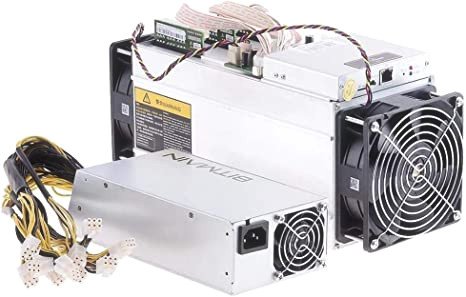
At its core, Bitcoin mining is the process of solving complex mathematical problems to validate transactions on the Bitcoin network. Miners use powerful computers, known as ASICs (Application-Specific Integrated Circuits), to perform these calculations. When a miner successfully solves a problem, they add a new block to the blockchain and are rewarded with newly minted bitcoins.
The Technology Behind Mining
The technology used in Bitcoin mining has evolved significantly since the inception of Bitcoin in 2009. Initially, miners could use standard CPUs to mine Bitcoin. However, as the network grew and the difficulty of mining increased, specialized hardware became necessary.
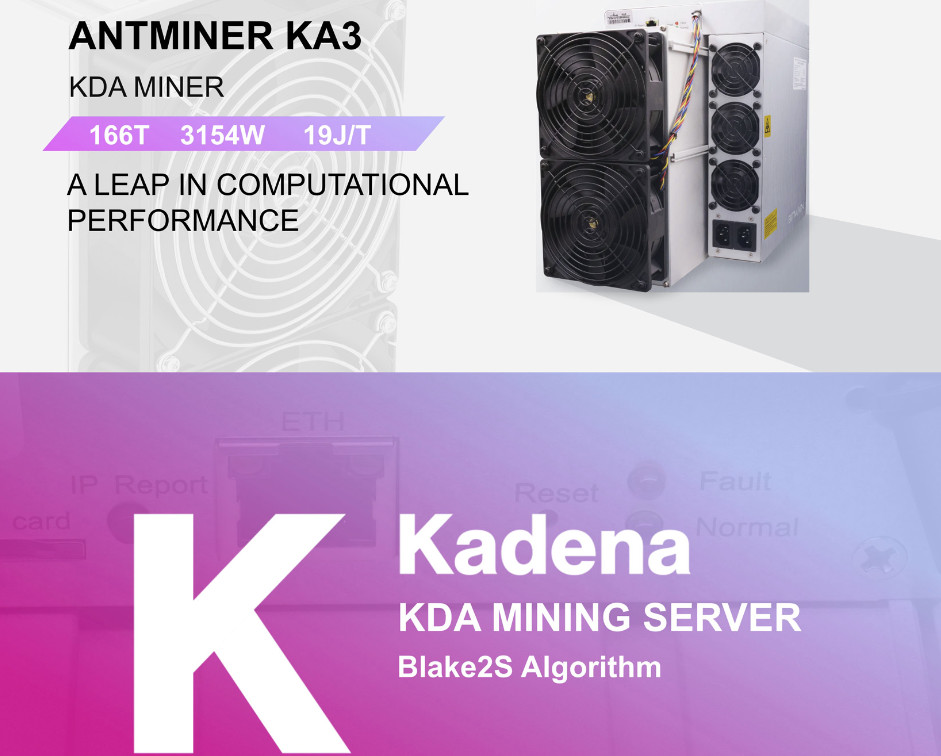
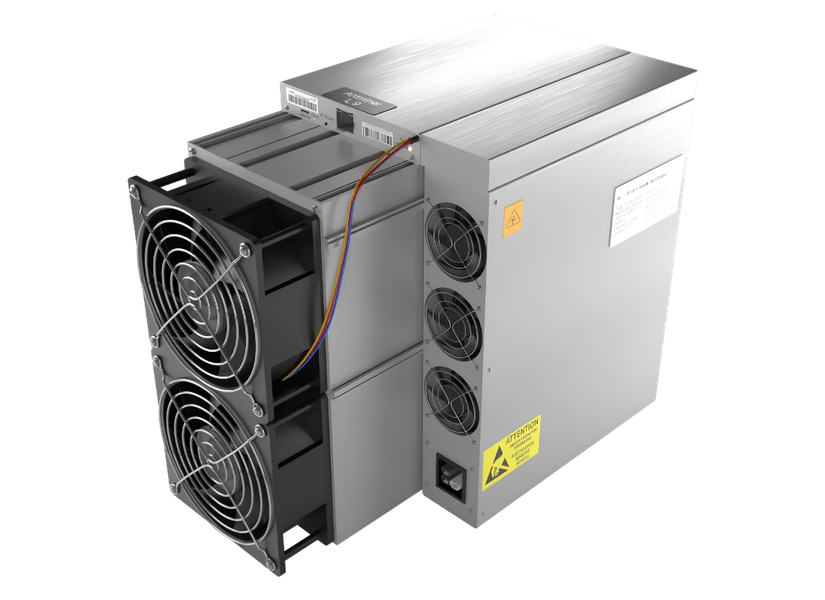
- ASIC Miners: These are highly efficient machines designed specifically for mining cryptocurrencies. The latest models, such as the Antminer L9 and L11 Hydro, are capable of producing high hash rates while consuming less power. For a detailed comparison of these models, check out the article on OneMiners.
- Mining Pools: Due to the competitive nature of mining, many miners join pools to combine their resources and increase their chances of earning rewards. This collaborative approach allows smaller miners to participate in the process.
Challenges in Bitcoin Mining
While Bitcoin mining can be lucrative, it also comes with significant challenges:
- Energy Consumption: Mining requires substantial amounts of electricity, leading to concerns about its environmental impact. As reported by Decrypt, some companies are shifting to more sustainable practices.
- Regulatory Issues: Governments around the world are beginning to scrutinize mining operations, leading to potential regulatory challenges. For instance, the SEC is actively working on regulations that could impact the mining landscape, as discussed in Bitcoin Magazine.
The Future of Bitcoin Mining
The future of Bitcoin mining is likely to be shaped by advancements in technology and regulatory developments. As the market matures, miners may need to adapt to changing conditions:
- Transition to Renewable Energy: Many miners are exploring renewable energy sources to mitigate their environmental impact and reduce costs.
- Increased Regulation: As governments become more involved, miners may face stricter regulations that could affect their operations.
In conclusion, Bitcoin mining is a complex yet fascinating process that plays a vital role in the cryptocurrency ecosystem. As technology continues to evolve and regulatory frameworks develop, the landscape of Bitcoin mining will undoubtedly change. Staying informed about these trends is essential for anyone involved in the cryptocurrency space.