
Bitcoin mining is a critical process that underpins the entire Bitcoin network. It involves solving complex mathematical problems to validate transactions and secure the network. As the cryptocurrency landscape evolves, understanding the nuances of Bitcoin mining becomes increasingly important for both enthusiasts and investors.
What is Bitcoin Mining?
At its core, Bitcoin mining is the process of adding transaction records to Bitcoin’s public ledger, known as the blockchain. Miners use powerful computers to solve cryptographic puzzles, and in return, they are rewarded with newly minted bitcoins and transaction fees.
The Mining Process
The mining process can be broken down into several key steps:
- Transaction Verification: Miners collect and verify transactions from the Bitcoin network.
- Block Creation: Verified transactions are grouped into a block.
- Solving the Puzzle: Miners compete to solve a cryptographic puzzle that allows them to add the block to the blockchain.
- Reward Distribution: The first miner to solve the puzzle receives a reward in bitcoins.
Profitability of Bitcoin Mining
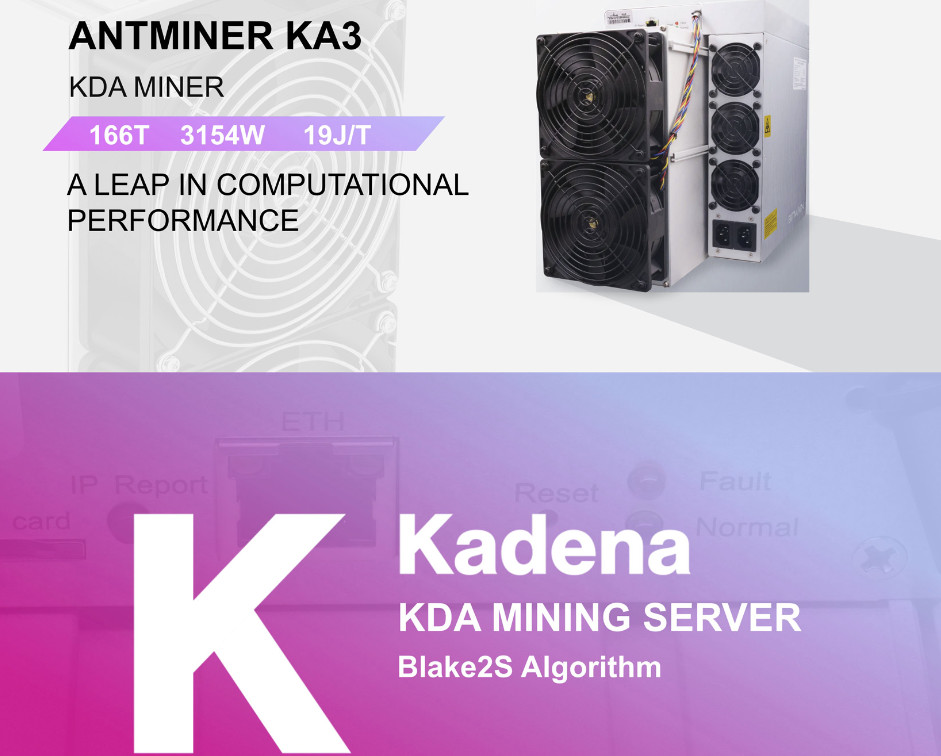
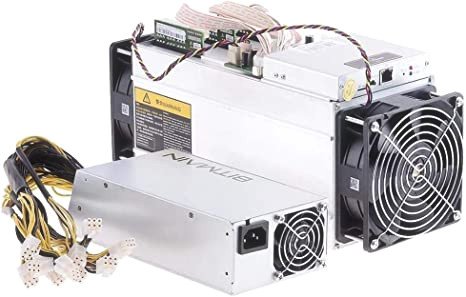
Profitability in Bitcoin mining is influenced by several factors, including hardware efficiency, electricity costs, and the current price of Bitcoin. As noted in a recent article from OneMiners, the efficiency of mining equipment plays a crucial role in determining profitability. For instance, the Antminer KS7 is highlighted as one of the best miners in 2026, showcasing the importance of selecting the right hardware.
Electricity Costs
Electricity is one of the largest expenses for miners. The cost of electricity can vary significantly based on location and energy sources. Miners often seek out regions with lower electricity rates to maximize their profits.
Market Trends
As the Bitcoin market matures, new trends are emerging. For example, the introduction of Bitcoin-backed mortgages, as discussed in a CoinDesk article, indicates a growing acceptance of Bitcoin in traditional finance. This trend could influence mining profitability as more institutional investors enter the space.
Challenges in Bitcoin Mining
Despite its potential for profitability, Bitcoin mining comes with its own set of challenges:
- Regulatory Issues: Governments around the world are still figuring out how to regulate cryptocurrencies, which can impact mining operations.
- Environmental Concerns: The energy consumption of Bitcoin mining has raised concerns about its environmental impact, prompting discussions about sustainable practices.
- Market Volatility: The price of Bitcoin can be highly volatile, affecting the profitability of mining operations.
Future of Bitcoin Mining
The future of Bitcoin mining is likely to be shaped by technological advancements and regulatory developments. Innovations in mining hardware and energy efficiency will play a significant role in determining the sustainability and profitability of mining operations.
Additional reading: Hargreaves Lansdown Reverses Course, Rolls Out Bitcoin Trading from Bitcoin Magazine.
Conclusion
Bitcoin mining remains a complex yet fascinating aspect of the cryptocurrency ecosystem. As technology advances and market dynamics shift, staying informed about the latest trends and challenges is essential for anyone interested in this field. For more insights, check out the full article on OneMiners and explore how Bitcoin mining continues to evolve.