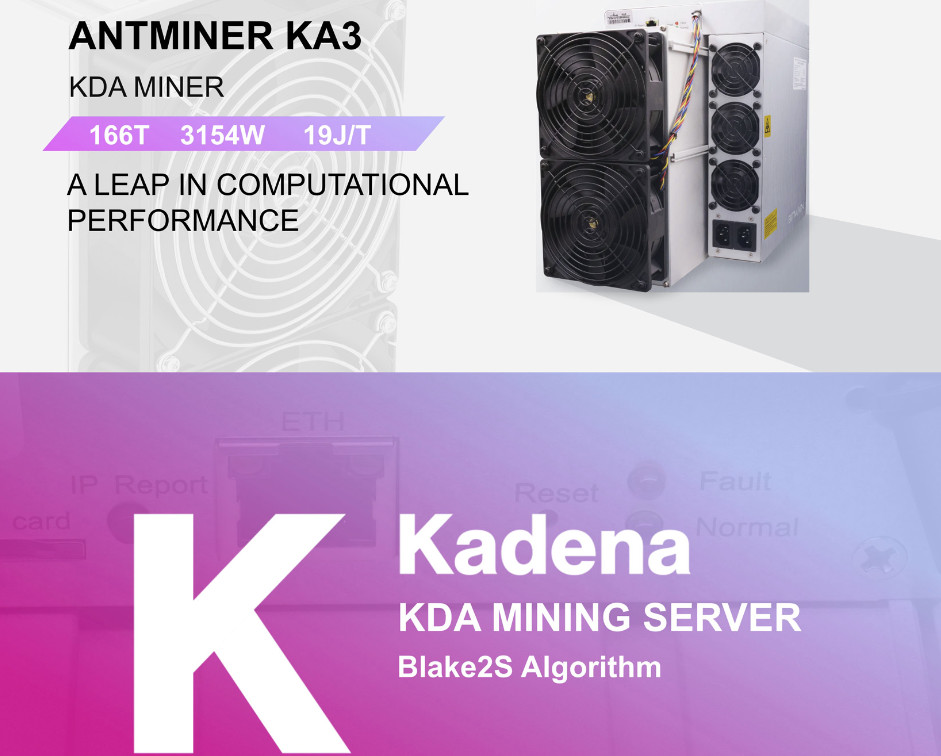


Bitcoin mining is a crucial aspect of the cryptocurrency ecosystem, involving the validation of transactions and the creation of new bitcoins. As the demand for Bitcoin continues to grow, understanding the complexities of mining becomes increasingly important.
What is Bitcoin Mining?
Bitcoin mining is the process by which transactions are verified and added to the public ledger, known as the blockchain. Miners use powerful computers to solve complex mathematical problems, and in return, they are rewarded with newly created bitcoins and transaction fees.
The Mining Process
- Transaction Verification: Miners collect and verify transactions from the Bitcoin network.
- Solving Mathematical Problems: They compete to solve a cryptographic puzzle, which requires significant computational power.
- Adding to the Blockchain: Once a miner solves the puzzle, they add a new block to the blockchain, securing the transactions.

Challenges in Bitcoin Mining
Despite its profitability, Bitcoin mining faces several challenges:
- High Energy Consumption: Mining requires substantial electricity, leading to concerns about environmental impact.
- Hardware Costs: The initial investment in mining equipment can be significant, with ASIC miners being the most efficient but also the most expensive.
- Market Volatility: The profitability of mining can fluctuate based on Bitcoin’s market price and mining difficulty.
Electricity Costs and Mining Efficiency
Electricity costs are a major factor in mining profitability. Miners must find locations with low electricity rates to remain competitive. According to a report by OneMiners, the efficiency of mining hardware directly impacts returns, especially in a market where margins are thin.
The Future of Bitcoin Mining
As technology evolves, so does Bitcoin mining. Innovations in hardware and software are paving the way for more efficient mining practices. Additionally, the regulatory landscape is changing, with some regions embracing cryptocurrency mining while others impose restrictions.
Regulatory Considerations
Governments worldwide are beginning to take notice of Bitcoin mining’s environmental impact. For instance, recent discussions in the U.S. have highlighted the need for sustainable practices in the industry. As noted by CoinDesk, regulatory frameworks are evolving, which could significantly affect mining operations.
Conclusion
Bitcoin mining remains a vital component of the cryptocurrency ecosystem, with its challenges and opportunities shaping the future of digital currencies. As miners adapt to changing technologies and regulations, the landscape will continue to evolve, making it essential for participants to stay informed.
Additional reading: Hargreaves Lansdown Reverses Course, Rolls Out Bitcoin Trading from Bitcoin Magazine.