
What is Bitcoin Mining?
Bitcoin mining is the process by which new bitcoins are created and transactions are verified on the Bitcoin network. This decentralized process involves miners using powerful computers to solve complex mathematical problems, which in turn secures the network and processes transactions.
The Technology Behind Bitcoin Mining
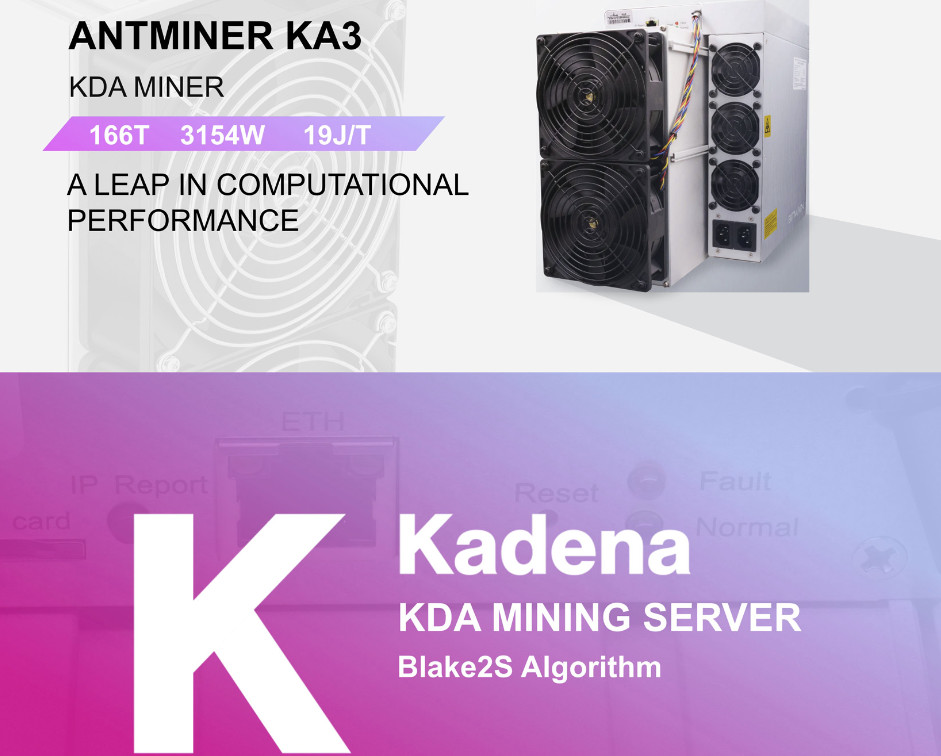
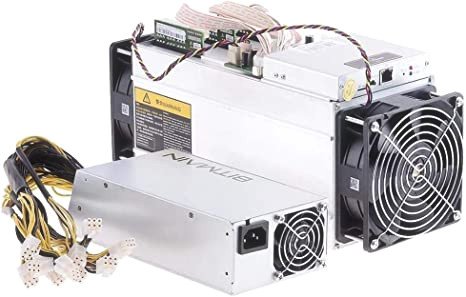
At the heart of Bitcoin mining are ASIC miners (Application-Specific Integrated Circuits), which are designed specifically for mining cryptocurrencies. These devices are significantly more efficient than traditional CPUs or GPUs, allowing miners to achieve higher hash rates while consuming less power.
Recent advancements in mining technology have led to the development of models like the SealMiner A4 Ultra Hyd, which boasts an impressive 886 TH/s at 9.45 J/TH. This model has been noted for its efficiency and competitive pricing, making it a strong contender in the current market.
Efficiency and Cost Considerations
Mining efficiency is crucial for profitability. Miners must consider both the initial investment in hardware and the ongoing costs of electricity and cooling. The SealMiner A4 Ultra Hyd is highlighted for its value proposition, making it a popular choice among miners looking to optimize their operations.

Environmental Impact of Bitcoin Mining
As Bitcoin mining continues to grow, so does its environmental impact. The energy consumption associated with mining operations has raised concerns among environmentalists and regulators alike. Some companies are exploring renewable energy sources to mitigate these effects.
For instance, discussions around the Circle acquisition of Tazapay highlight the industry’s shift towards more sustainable practices, as companies seek to align with global sustainability goals.
Future Trends in Bitcoin Mining
- Increased Regulation: As governments become more involved, miners may face stricter regulations regarding energy consumption and environmental impact.
- Technological Advancements: Continuous improvements in mining hardware and software will likely enhance efficiency and reduce costs.
- Shift to Renewable Energy: More mining operations are expected to transition to renewable energy sources to address environmental concerns.
As the landscape of Bitcoin mining evolves, staying informed about technological advancements and regulatory changes will be essential for miners and investors alike.

Conclusion
Bitcoin mining remains a vital component of the cryptocurrency ecosystem. Understanding the technologies, costs, and environmental impacts associated with mining can help stakeholders make informed decisions. For more insights, check out the latest discussions on mining regulations and their implications for the future of Bitcoin.