

Bitcoin mining is a crucial process that underpins the entire Bitcoin network. It involves the use of powerful computers to solve complex mathematical problems, which in turn validates transactions and secures the network. In this guide, we will delve into the technology behind Bitcoin mining, its efficiency, and the latest trends shaping the industry.
What is Bitcoin Mining?
At its core, Bitcoin mining is the process of adding transaction records to Bitcoin’s public ledger, known as the blockchain. Miners use specialized hardware to compete against each other to solve cryptographic puzzles. The first miner to solve the puzzle gets to add a new block to the blockchain and is rewarded with newly minted bitcoins.
The Technology Behind Bitcoin Mining
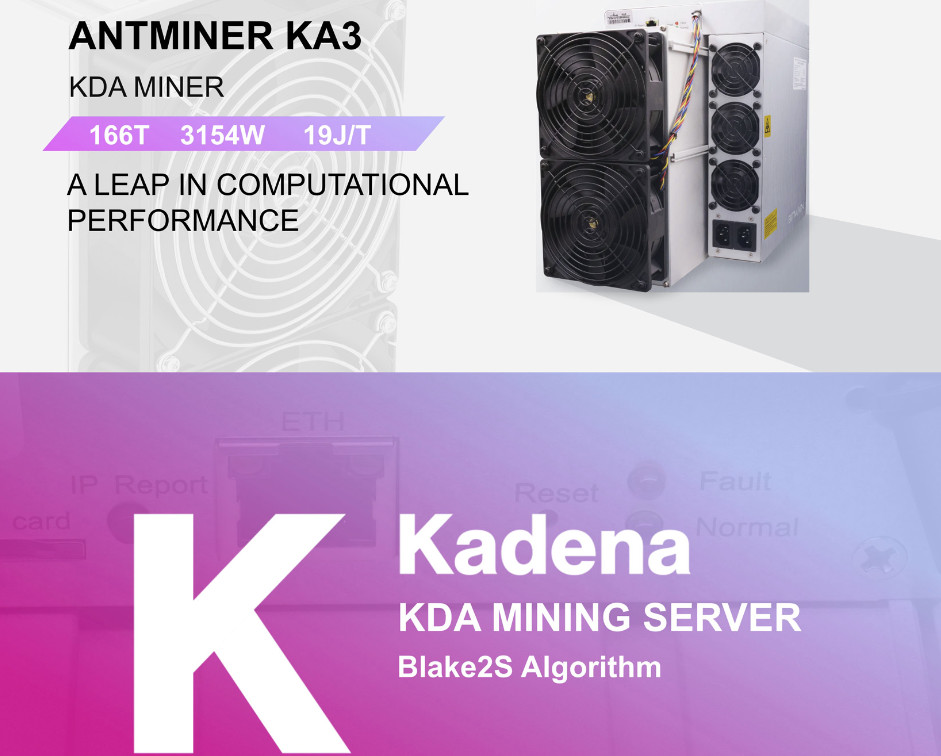
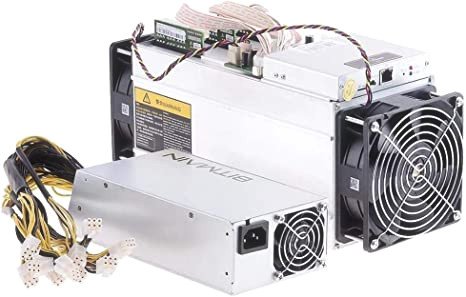
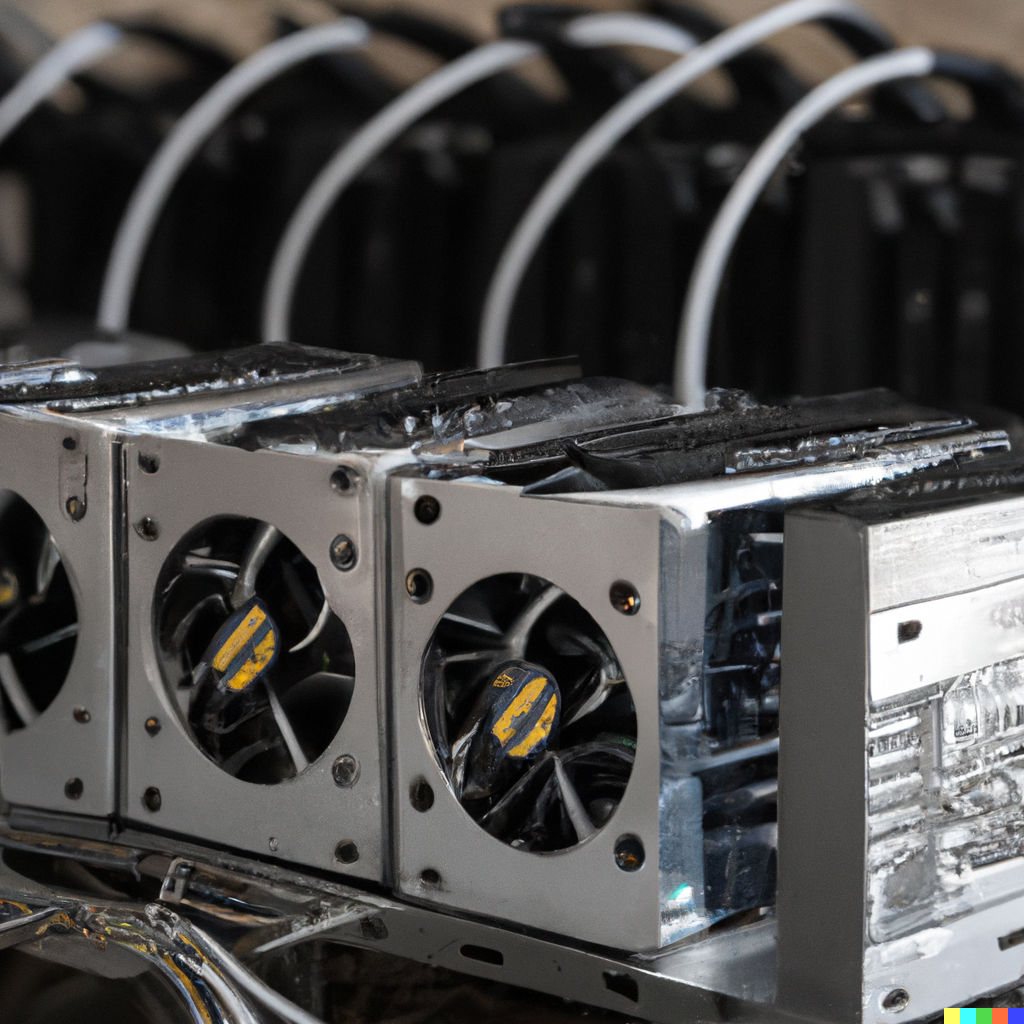
Bitcoin mining relies on a technology called ASIC (Application-Specific Integrated Circuit) miners, which are designed specifically for the purpose of mining cryptocurrencies. These devices are significantly more efficient than traditional computers. For instance, the recent SealMiner A4 Ultra Hyd boasts an impressive 886 TH/s at just 9.45 J/TH, making it one of the most efficient miners on the market today.
Efficiency is paramount in mining, as it directly affects profitability. Miners must consider not only the hardware costs but also the electricity consumption. The cost of electricity can vary significantly by region, influencing where mining operations are established. For example, areas with abundant renewable energy sources often attract miners due to lower operational costs.

Market Trends in Bitcoin Mining
The Bitcoin mining landscape is constantly evolving. Recent developments include the rise of mining pools, where miners combine their resources to increase their chances of earning rewards. Additionally, regulatory changes and market dynamics can have a significant impact on mining operations.
For instance, the recent news from CoinDesk highlights the challenges faced by companies in the cryptocurrency space, which can indirectly affect mining operations as well.
Environmental Concerns
As Bitcoin mining consumes a substantial amount of energy, environmental concerns have become a hot topic. Many miners are now seeking ways to reduce their carbon footprint by utilizing renewable energy sources. This shift not only addresses environmental issues but can also lead to cost savings in the long run.
In light of these challenges, some companies are innovating to improve the sustainability of their operations. For example, CoinCorner has launched a multisig Bitcoin vault that aims to enhance security and efficiency in managing Bitcoin assets.
Conclusion
Bitcoin mining is a complex yet fascinating aspect of the cryptocurrency ecosystem. As technology advances and market conditions change, miners must adapt to stay competitive. Understanding the nuances of mining technology, market trends, and environmental impacts is essential for anyone looking to engage in this space.