

Bitcoin mining has become a crucial component of the cryptocurrency ecosystem, serving as the backbone for transaction verification and network security. As the demand for Bitcoin continues to grow, understanding the intricacies of mining technology and its implications for the future is essential.
What is Bitcoin Mining?
Bitcoin mining is the process by which new bitcoins are created and transactions are verified on the Bitcoin network. Miners use powerful computers to solve complex mathematical problems, which in turn secures the network and processes transactions. The first miner to solve the problem gets to add a new block to the blockchain and is rewarded with newly minted bitcoins.
The Evolution of Mining Technology
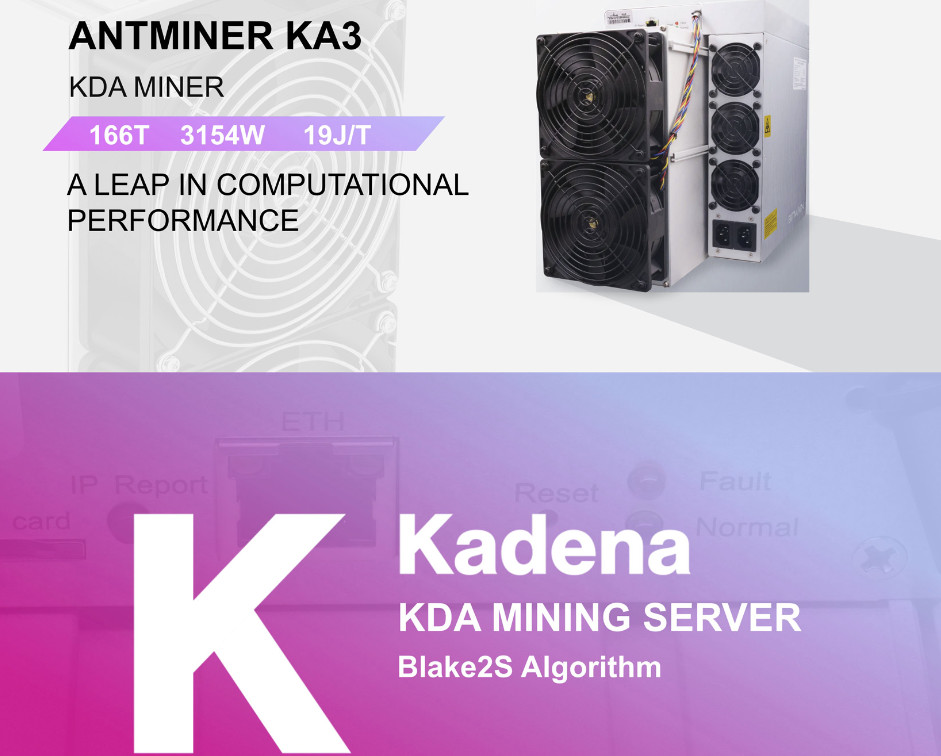
Initially, Bitcoin mining could be performed using standard personal computers. However, as the network grew, so did the difficulty of mining. Today, specialized hardware known as ASICs (Application-Specific Integrated Circuits) is used to mine Bitcoin efficiently. For instance, the SealMiner A4 Ultra Hyd offers an impressive 886 TH/s at just 9.45 J/TH, making it one of the most efficient miners available today.
With advancements in mining technology, miners are now able to achieve higher hash rates while consuming less energy. This efficiency is critical as energy costs continue to rise globally. Miners must balance the cost of electricity with the potential rewards of mining, making location and energy sources vital considerations.

Challenges Facing Bitcoin Miners
Despite the technological advancements, Bitcoin miners face several challenges:
- Regulatory Scrutiny: Governments worldwide are increasingly scrutinizing cryptocurrency activities. For example, India’s financial intelligence unit recently flagged 15 crypto platforms for anti-money laundering (AML) lapses, which could impact mining operations in the region (CoinDesk).
- Environmental Concerns: The energy-intensive nature of Bitcoin mining has raised concerns about its environmental impact. In Mexico, authorities seized 300 mining rigs that were illegally connected to a hydroelectric dam, highlighting the ongoing debate about sustainable mining practices (Decrypt).
- Market Volatility: The cryptocurrency market is known for its volatility, which can affect the profitability of mining operations. Miners must stay informed about market trends to make strategic decisions.
The Future of Bitcoin Mining
Looking ahead, the future of Bitcoin mining will likely be shaped by several factors:
- Technological Innovations: As mining technology continues to evolve, we can expect more efficient hardware and software solutions that reduce energy consumption and increase profitability.
- Regulatory Developments: The regulatory landscape will play a significant role in shaping the future of mining. Miners will need to adapt to new regulations and compliance requirements.
- Shift Towards Renewable Energy: With growing concerns about the environmental impact of mining, there is a push towards using renewable energy sources. This shift could lead to more sustainable mining practices.
In conclusion, Bitcoin mining remains a vital part of the cryptocurrency ecosystem, with its future dependent on technological advancements, regulatory changes, and environmental considerations. As the market evolves, miners must adapt to these challenges to remain competitive.