
As Bitcoin continues to gain traction, understanding Bitcoin mining costs in 2026 is crucial for both miners and investors. The costs associated with mining Bitcoin are influenced by several factors, including electricity prices, hardware expenses, and operational efficiencies.
Electricity Costs: The Major Factor
Electricity remains the most significant expense in Bitcoin mining. According to a recent report from OneMiners, the cost of electricity for running an Antminer S23 Hyd over seven years is approximately $12,298.58. This highlights the importance of securing low-cost energy sources for miners.
Regional Variations in Energy Prices
Energy prices vary significantly across regions. Miners in areas with abundant renewable energy sources, such as hydroelectric power, often enjoy lower costs. In contrast, regions reliant on fossil fuels may face higher expenses, impacting overall profitability.
Hardware Costs: Initial Investment
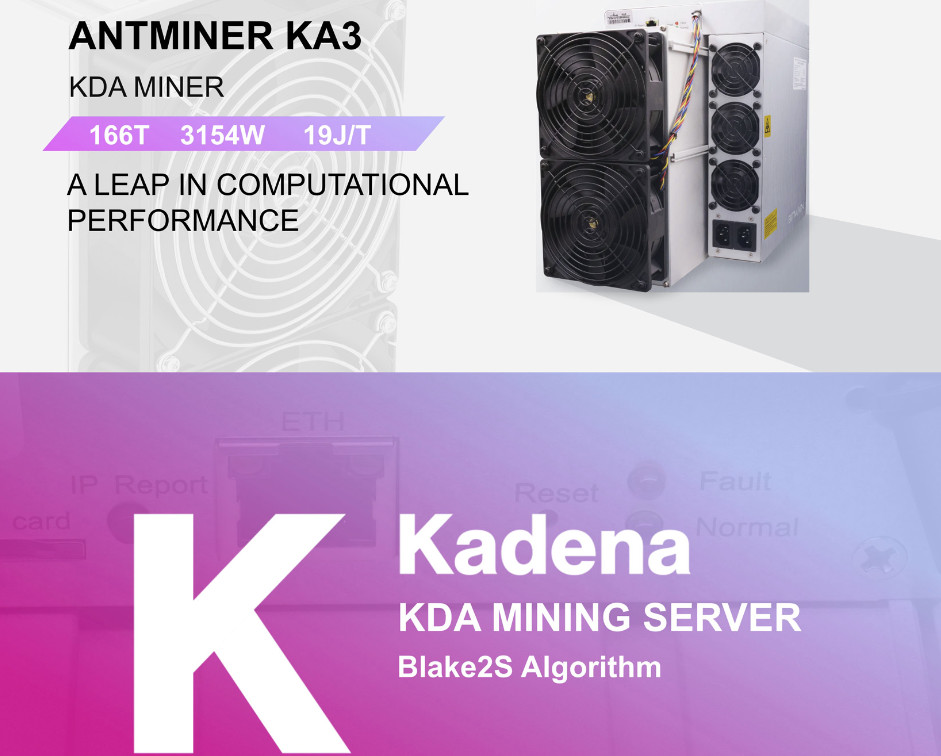
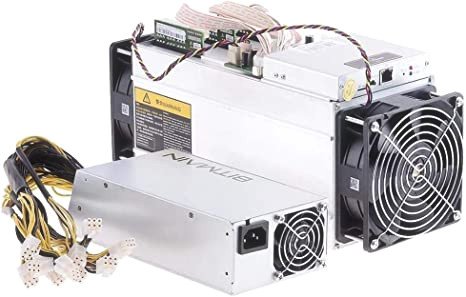
The initial investment in mining hardware is another critical factor. The Antminer S23 Hyd itself costs around $12,299.00, making it essential for miners to carefully evaluate their return on investment (ROI) before purchasing equipment.
Choosing the Right Equipment
- Efficiency: Look for machines with higher hash rates and lower power consumption.
- Durability: Invest in reliable hardware that can withstand operational demands.
- Scalability: Consider future growth and the ability to expand your mining operation.
Operational Costs: Maintenance and Management
Beyond electricity and hardware, operational costs include maintenance, cooling, and facility management. Effective cooling systems are vital to prevent overheating, which can lead to hardware failures and increased costs.
Strategies for Cost Reduction
Miners can adopt several strategies to reduce operational costs:
- Optimize Cooling: Use energy-efficient cooling solutions to minimize electricity usage.
- Regular Maintenance: Schedule routine checks to ensure equipment is running efficiently.
- Remote Monitoring: Implement monitoring systems to track performance and identify issues early.
Future Trends in Bitcoin Mining Costs
As the Bitcoin network evolves, so too will the costs associated with mining. Factors such as regulatory changes, technological advancements, and market dynamics will play a significant role in shaping the future landscape.
For instance, a recent article from Bitcoin Magazine discusses how market conditions can influence Bitcoin prices, which in turn affects mining profitability. Staying informed about these trends is essential for miners looking to navigate the complexities of the industry.
Additional reading: OpenAI IPO won't happen this year, says Sam Altman from CoinDesk.
Conclusion
Understanding Bitcoin mining costs in 2026 is essential for anyone involved in the cryptocurrency space. By focusing on electricity prices, hardware investments, and operational efficiencies, miners can better position themselves for success in an ever-changing market.