
As Bitcoin continues to dominate the cryptocurrency landscape, understanding Bitcoin mining costs in 2026 becomes crucial for miners and investors alike. The costs associated with mining Bitcoin have evolved significantly over the years, driven by factors such as energy prices, equipment efficiency, and market demand.
Current Trends in Bitcoin Mining Costs
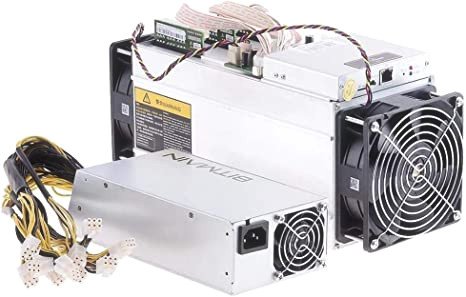
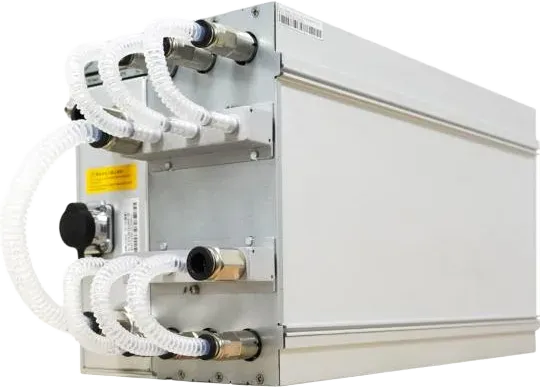
In 2026, the cost of mining Bitcoin is primarily influenced by electricity rates and the efficiency of mining hardware. According to a recent report from OneMiners, the total cost of electricity for operating an Antminer S23 Hyd over seven years amounts to approximately $12,298.58, while the machine itself costs around $12,299.00. This highlights the significant investment required for miners to remain competitive.
Electricity Costs
Electricity is one of the largest expenses for Bitcoin miners. The price of electricity varies by region, and miners often seek locations with lower rates to maximize profitability. For instance, areas with abundant renewable energy sources, such as hydroelectric power, can offer more favorable rates.
Mining Hardware Efficiency
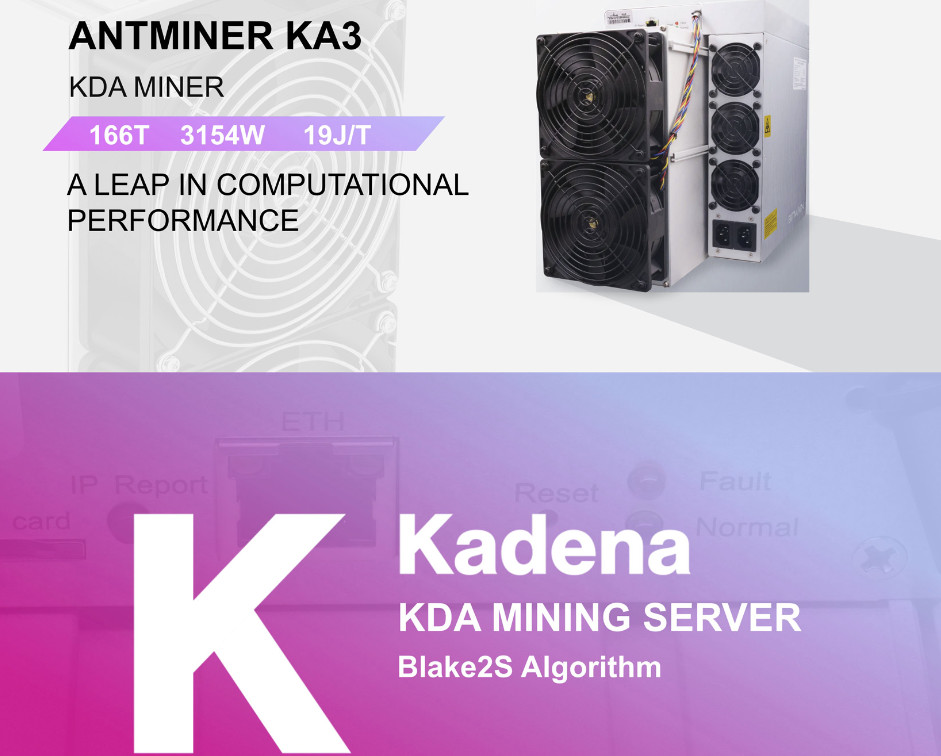
The efficiency of mining hardware also plays a critical role in determining overall costs. Newer models, like the Antminer S23 Hyd, are designed to provide higher hash rates while consuming less power. This efficiency can significantly reduce the cost per mined Bitcoin.
Investing in the latest technology is essential for miners looking to optimize their operations. As the competition intensifies, those who fail to upgrade their equipment may find themselves at a disadvantage.
Market Dynamics Affecting Mining Costs
The Bitcoin market is influenced by various external factors that can impact mining costs. For example, regulatory changes, market demand, and global economic conditions can all play a role. A recent article from CoinDesk discusses how companies like Bitcoin Suisse are adapting to these changes by shifting operations abroad to reduce costs.
Regulatory Environment
As governments around the world continue to grapple with cryptocurrency regulations, miners must stay informed about potential changes that could affect their operations. Compliance with local laws can incur additional costs, which must be factored into the overall mining budget.
Global Economic Conditions
Global economic trends, such as inflation and currency fluctuations, can also impact the profitability of Bitcoin mining. For instance, a bearish inflation print could affect Bitcoin’s price, as noted in a Bitcoin Magazine report, which suggests that while short-term prices may suffer, long-term prospects remain bullish.
Future Outlook for Bitcoin Mining
Looking ahead, the landscape of Bitcoin mining will continue to evolve. Miners must adapt to changing costs and market dynamics to remain profitable. Innovations in mining technology and energy efficiency will likely play a significant role in shaping the future of the industry.
In conclusion, understanding Bitcoin mining costs in 2026 requires a comprehensive analysis of various factors, including energy prices, hardware efficiency, and market conditions. By staying informed and adapting to these changes, miners can position themselves for success in an increasingly competitive environment.