

As Bitcoin continues to gain traction in the financial world, understanding the Bitcoin mining costs in 2026 becomes crucial for miners and investors alike. The landscape of mining is evolving rapidly, influenced by various factors including energy prices, hardware efficiency, and regulatory changes.
Factors Influencing Bitcoin Mining Costs
Several key elements contribute to the overall costs associated with Bitcoin mining:
- Electricity Rates: The cost of electricity is one of the most significant expenses for miners. According to a recent report by OneMiners, the electricity required to run an Antminer S23 Hyd for seven years amounts to approximately $12,298.58.
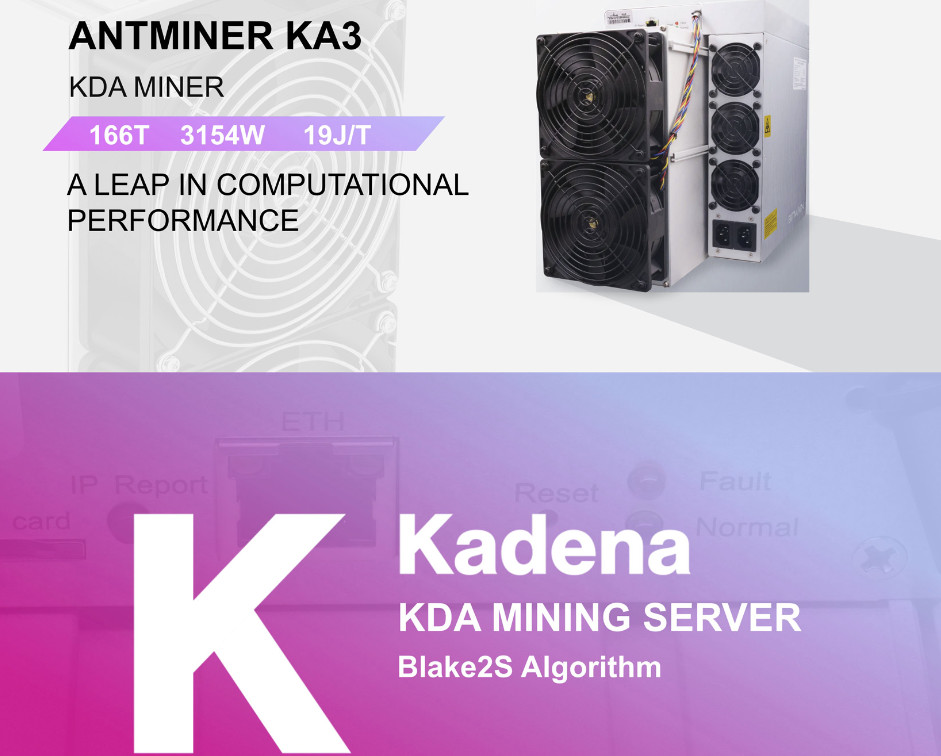
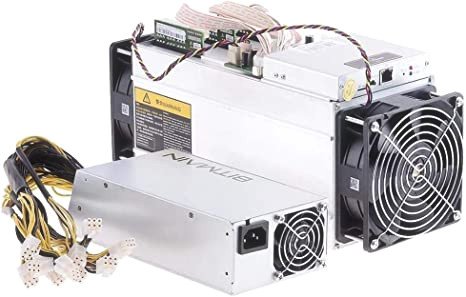
- Hardware Costs: The initial investment in mining hardware can be substantial. The Antminer S23 Hyd itself costs around $12,299.00, highlighting the need for miners to carefully consider their equipment choices.
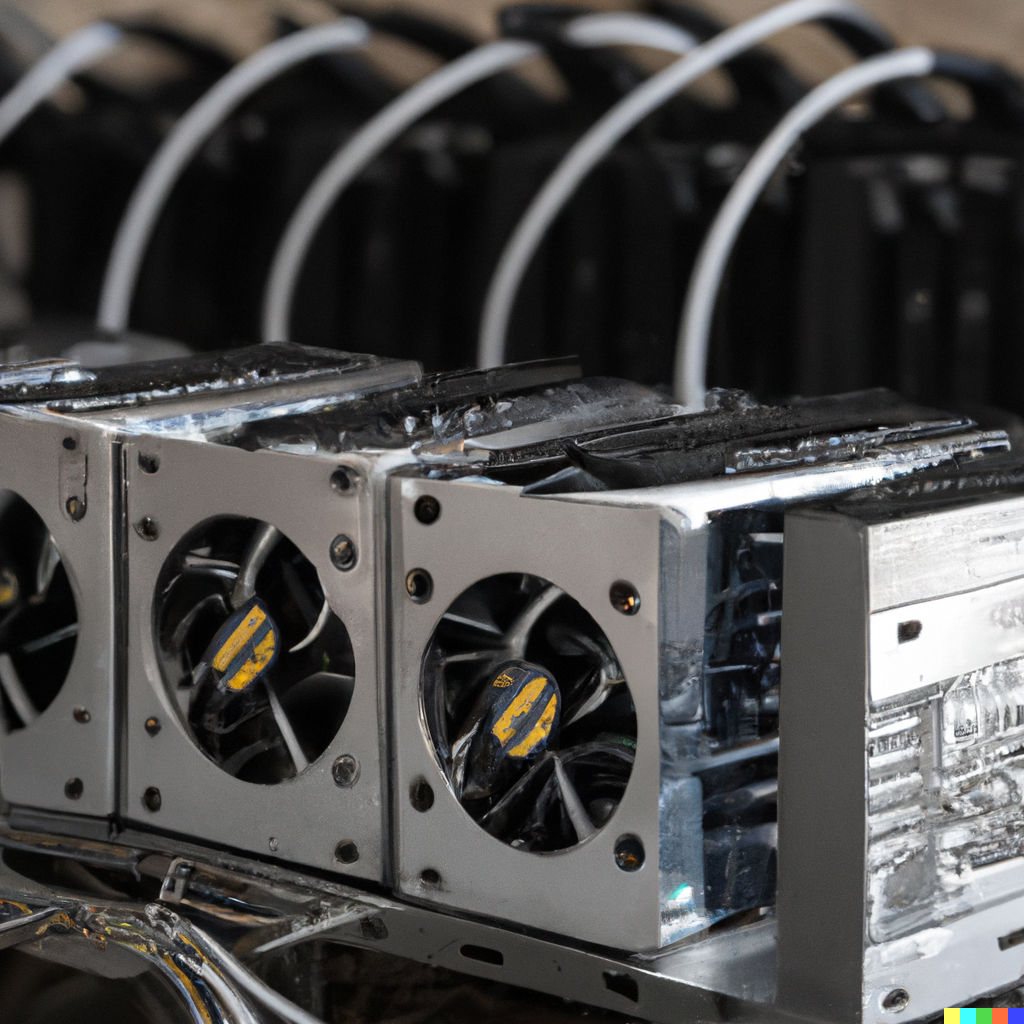
- Cooling Systems: Effective cooling is essential to maintain optimal performance and prevent overheating. The costs associated with cooling systems can add up, especially in large mining operations.
- Location: The geographical location of mining operations can significantly impact costs. Areas with lower electricity rates are often more attractive for miners.
Electricity and Its Impact on Mining
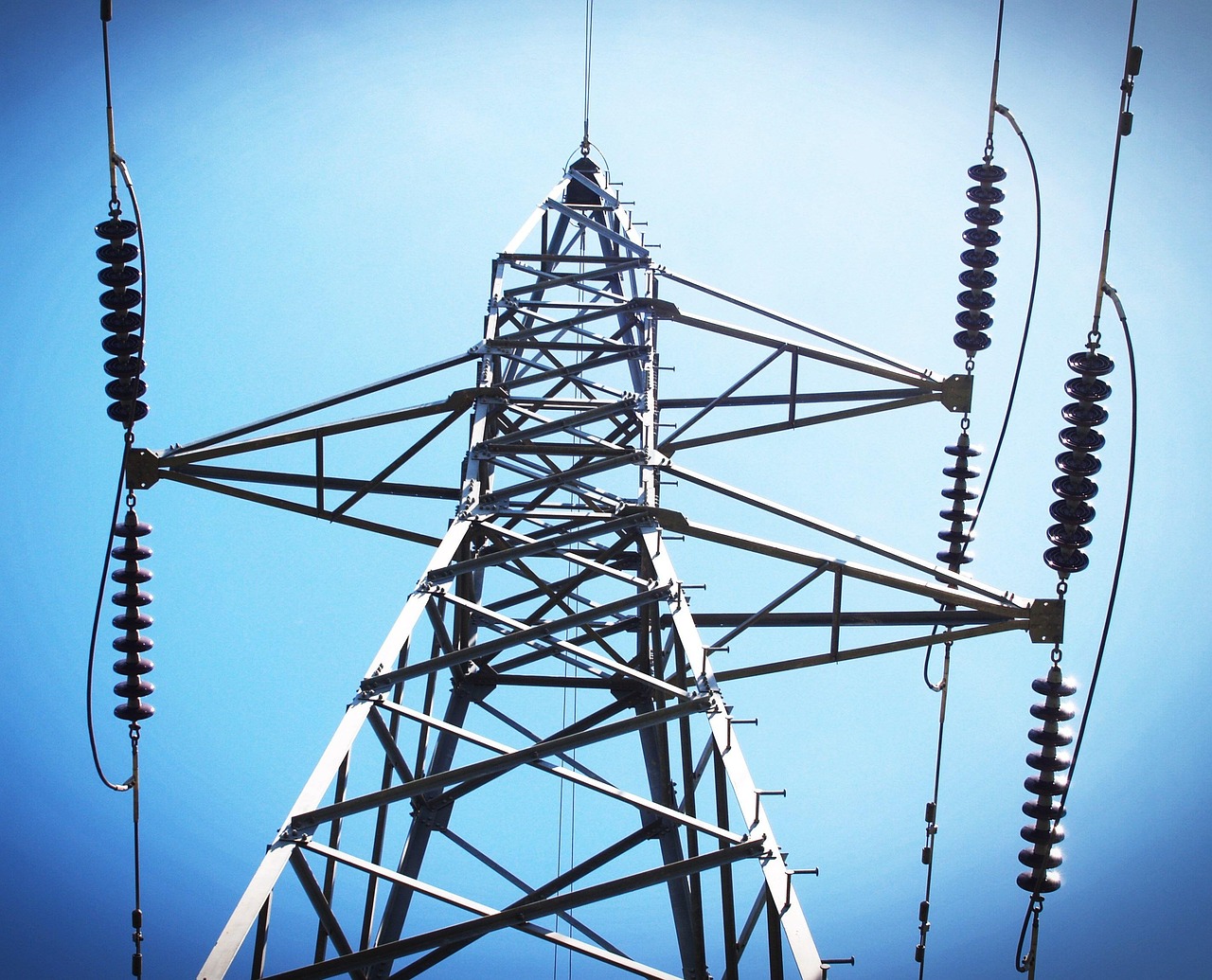
Electricity costs are not only a major expense but also a critical factor in determining the profitability of mining operations. Miners often seek locations where electricity is cheaper, which can vary widely across regions. For instance, some countries offer incentives for renewable energy use, making them appealing for miners.
Future Trends in Bitcoin Mining
As we look ahead, several trends are likely to shape the future of Bitcoin mining:
- Increased Efficiency: Advances in mining hardware technology are expected to improve energy efficiency, reducing overall costs.
- Regulatory Changes: Governments around the world are increasingly scrutinizing cryptocurrency mining. Regulations could impact operational costs and feasibility.
- Environmental Concerns: The environmental impact of Bitcoin mining is under scrutiny, leading to a push for greener mining practices.
In conclusion, understanding Bitcoin mining costs in 2026 requires a comprehensive look at various factors including electricity rates, hardware investments, and future trends. As the industry evolves, staying informed will be key for miners aiming to navigate this complex landscape successfully.
Additional reading: Fed rate hike is about Wall Street, not inflation, says economist from CoinDesk.
Additional reading: Bitcoin’s ‘Unusual Mix’: Bearish Inflation Print, Bullish Buyback Failure from Bitcoin Magazine.