

Bitcoin mining is a crucial component of the cryptocurrency ecosystem, serving as the backbone of the Bitcoin network. This process involves validating transactions and adding them to the blockchain, ensuring the integrity and security of the decentralized ledger.
What is Bitcoin Mining?
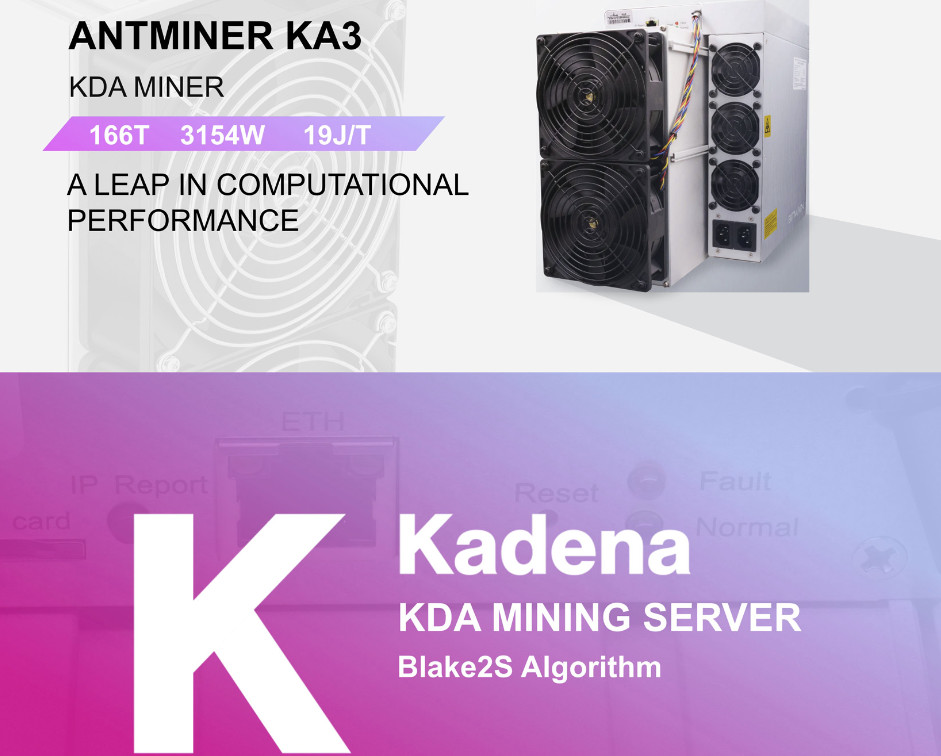
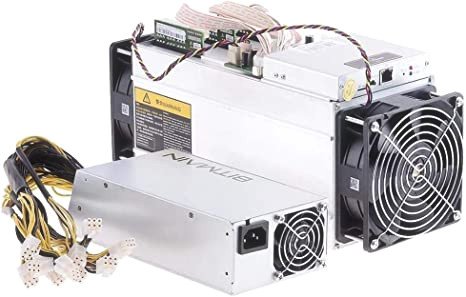
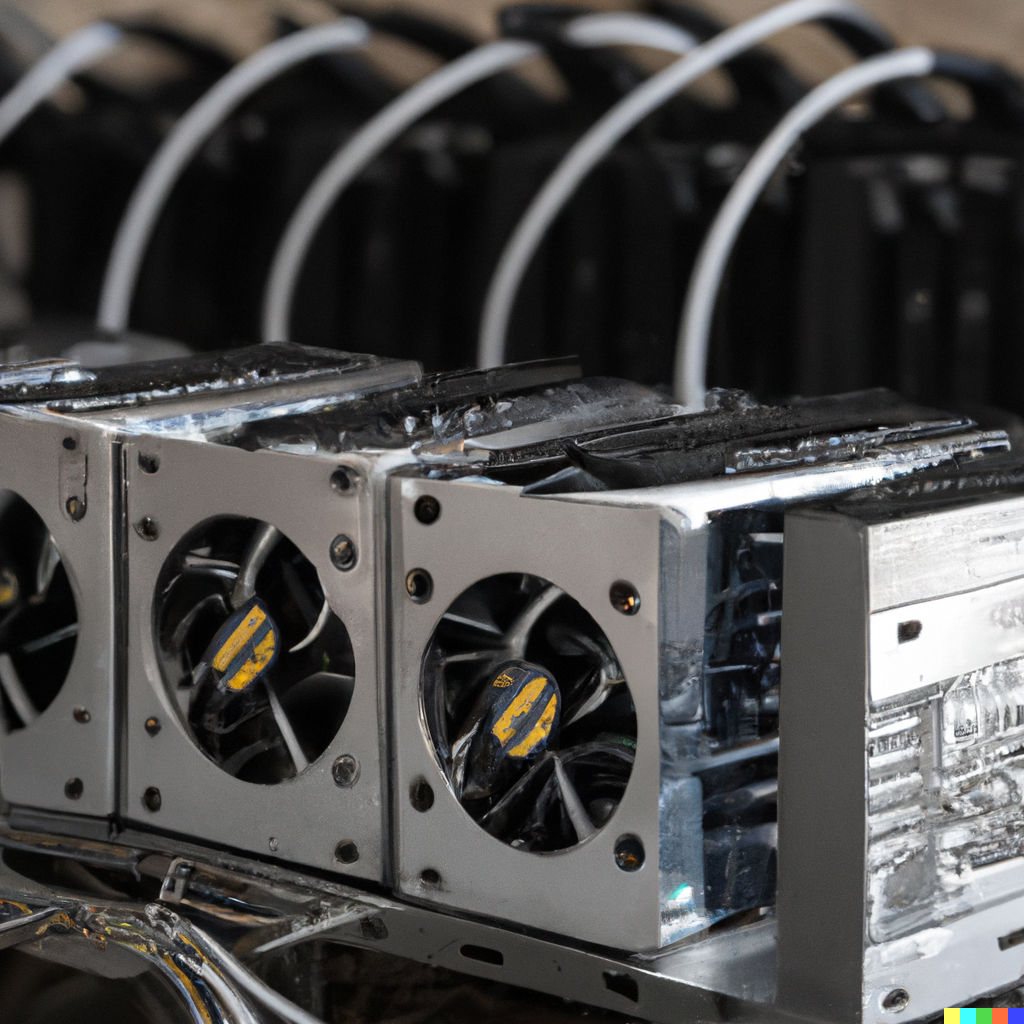
At its core, Bitcoin mining is the process of solving complex mathematical problems to validate transactions on the Bitcoin network. Miners use powerful computers, often referred to as ASICs (Application-Specific Integrated Circuits), to compete in solving these problems. The first miner to solve the problem gets to add a new block to the blockchain and is rewarded with newly minted bitcoins.
The Importance of Mining in the Bitcoin Network
Mining is essential for several reasons:
- Transaction Verification: Miners confirm transactions, preventing double-spending and ensuring that the network remains secure.
- New Bitcoin Creation: Mining is the only way to create new bitcoins, with a fixed supply cap of 21 million coins.
- Network Security: The decentralized nature of mining helps protect the network from attacks.
How Bitcoin Mining Works
The mining process begins when a miner collects unconfirmed transactions from the Bitcoin network. These transactions are grouped into a block. Miners then compete to solve a cryptographic puzzle, known as the proof-of-work.
Once a miner successfully solves the puzzle, they broadcast the solution to the network. Other miners verify the solution, and if confirmed, the new block is added to the blockchain. The miner receives a reward, which currently consists of newly created bitcoins and transaction fees from the transactions included in the block.
Challenges in Bitcoin Mining
While Bitcoin mining can be lucrative, it comes with its challenges:
- High Energy Consumption: Mining requires significant computational power, leading to high electricity costs.
- Hardware Costs: The initial investment in mining equipment can be substantial.
- Market Volatility: The profitability of mining can fluctuate based on Bitcoin’s market price.
The Future of Bitcoin Mining
As the Bitcoin network evolves, so too does the mining landscape. Innovations in technology, such as more efficient mining hardware and renewable energy sources, are being explored to address the environmental impact of mining. Additionally, regulatory developments, such as the Crypto Clarity Act, may influence the future of mining operations.
For more insights on the evolving landscape of cryptocurrency regulations, check out the article on Decrypt.
Conclusion
Bitcoin mining remains a vital part of the cryptocurrency ecosystem, providing security and transaction validation. As technology advances and regulations evolve, the mining industry will continue to adapt, presenting both challenges and opportunities for miners worldwide.
For further reading on the importance of documenting your cryptocurrency holdings, visit OneMiners.