
Bitcoin mining is a crucial component of the cryptocurrency ecosystem, enabling transactions and securing the blockchain. As the demand for Bitcoin continues to grow, understanding the mining process becomes essential for both new and seasoned investors.
What is Bitcoin Mining?
Bitcoin mining involves solving complex mathematical problems to validate transactions on the Bitcoin network. Miners use powerful computers, known as ASICs (Application-Specific Integrated Circuits), to perform these calculations. In return for their efforts, miners are rewarded with newly minted Bitcoins and transaction fees.
The Role of ASIC Miners
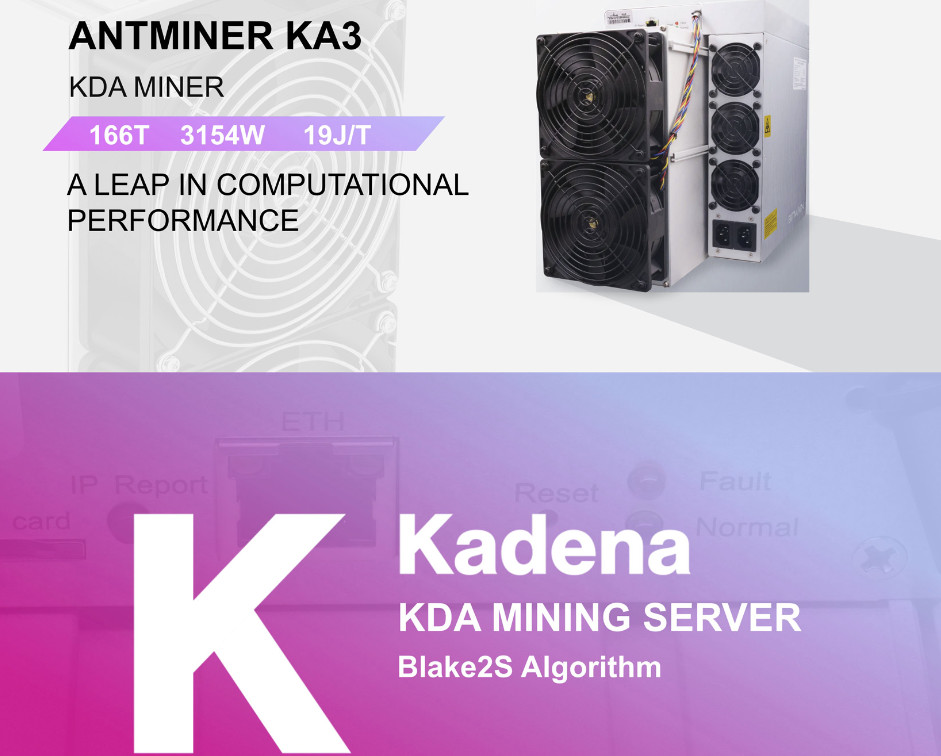
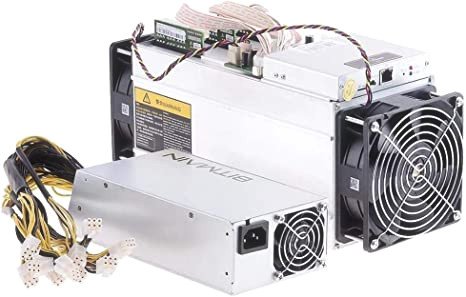
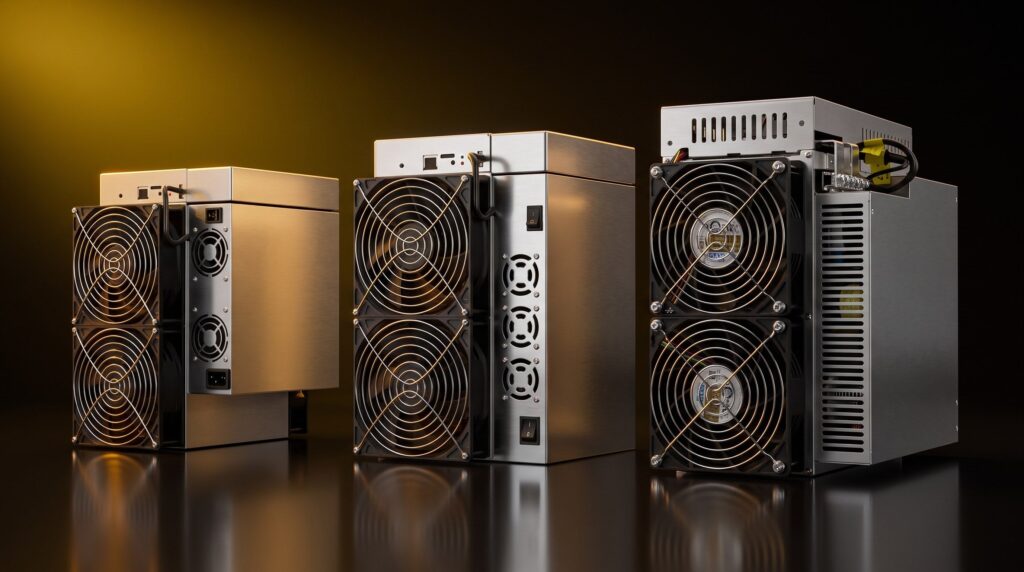
ASIC miners are specialized hardware designed specifically for mining cryptocurrencies. They are significantly more efficient than traditional GPUs (Graphics Processing Units) and are essential for competitive mining. For a detailed comparison of the best ASIC miners available, check out the article on OneMiners.
How Bitcoin Mining Works
The mining process begins when a miner collects transactions from the Bitcoin network and organizes them into a block. This block is then hashed, which involves running it through a cryptographic function to produce a unique output. The goal is to find a hash that meets specific criteria, which requires significant computational power.
Mining Difficulty and Rewards
As more miners join the network, the difficulty of mining increases. This adjustment ensures that blocks are added to the blockchain approximately every ten minutes. Currently, miners receive a reward of 6.25 Bitcoins for each block mined, a figure that halves approximately every four years during an event known as the halving.

Energy Consumption in Bitcoin Mining
Bitcoin mining is often criticized for its high energy consumption. The process requires vast amounts of electricity, leading to concerns about its environmental impact. Miners often seek locations with cheap electricity to maximize profits, which can lead to the establishment of mining farms in regions with abundant renewable energy sources.
Best Practices for Miners
- Choose Efficient Hardware: Invest in the latest ASIC miners to improve efficiency and reduce energy costs.
- Optimize Cooling Systems: Implement effective cooling solutions to maintain optimal operating temperatures.
- Join Mining Pools: Consider joining a mining pool to increase the chances of earning rewards consistently.
The Future of Bitcoin Mining
As the cryptocurrency landscape evolves, so too does Bitcoin mining. Innovations in technology and shifts in regulatory environments will shape the future of mining operations. For instance, recent discussions around crypto tax regulations may impact miners’ profitability and operational strategies. For more insights on regulatory developments, see the article on Decrypt.
Conclusion
Bitcoin mining remains a vital part of the cryptocurrency ecosystem, with ongoing advancements in technology and practices. By understanding the intricacies of mining, individuals can make informed decisions about their involvement in this dynamic field. Whether you are considering investing in mining hardware or simply want to learn more, staying updated on industry trends is crucial.
Additional reading: Fed raises rates by 25 basis points in first hike since July 2023 from CoinDesk.