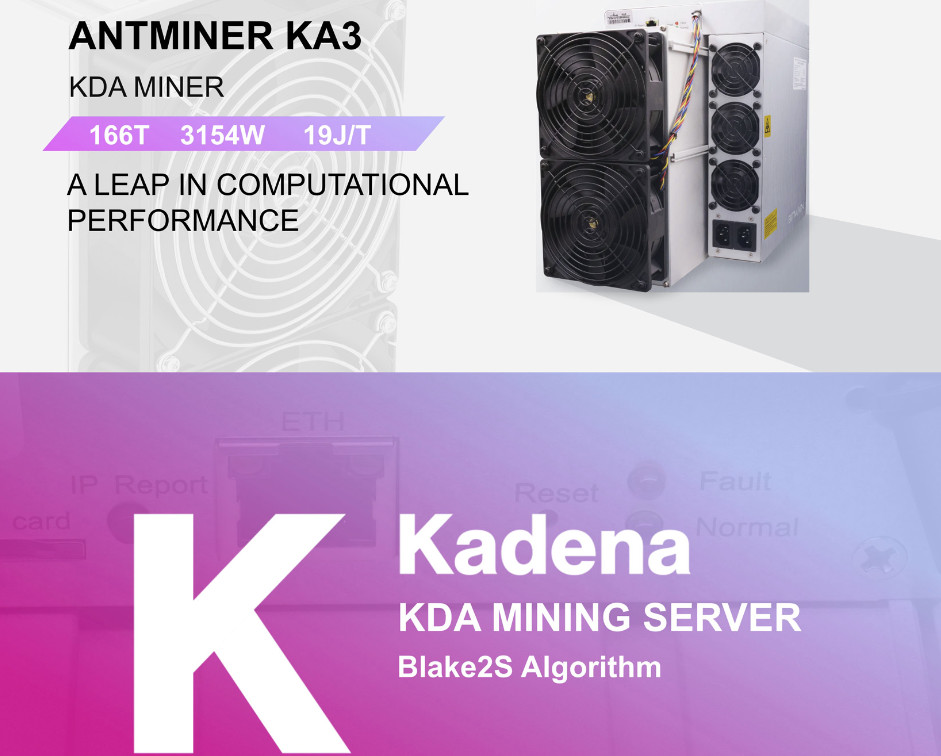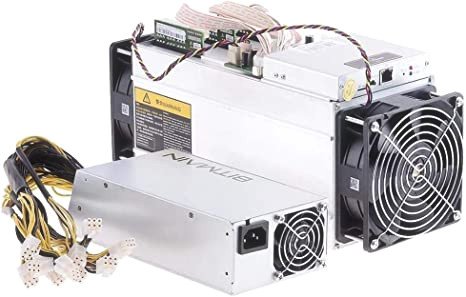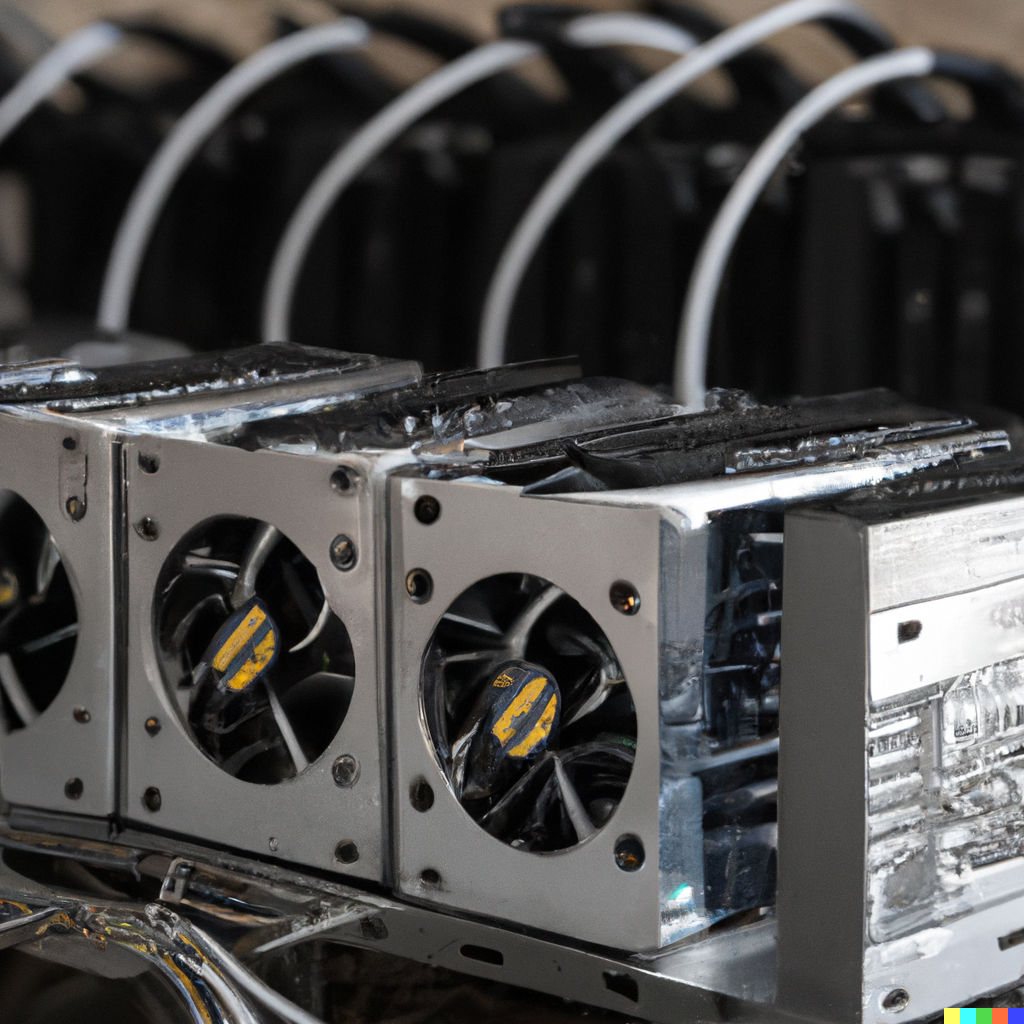


Bitcoin mining has evolved significantly since its inception, becoming a complex and competitive industry. As the demand for Bitcoin increases, so does the need for efficient mining operations. This article delves into the current trends, challenges, and implications of Bitcoin mining, particularly focusing on the issue of centralization.
What is Bitcoin Mining?
Bitcoin mining is the process by which new bitcoins are created and transactions are verified on the blockchain. Miners use powerful computers to solve complex mathematical problems, and in return, they are rewarded with bitcoins. This process is crucial for maintaining the integrity and security of the Bitcoin network.
The Rise of Mining Pools
In recent years, the landscape of Bitcoin mining has shifted towards the formation of mining pools. These pools allow miners to combine their computational power to increase their chances of solving blocks and earning rewards. According to a OneMiners article, four mining pools now account for over 70% of Bitcoin’s blocks, with Foundry and AntPool alone producing more than half. This centralization raises concerns about the security and decentralization of the Bitcoin network.
Understanding Centralization in Bitcoin Mining
Centralization in Bitcoin mining refers to the concentration of mining power within a few entities. This phenomenon can lead to vulnerabilities in the network, as a small number of pools could potentially collude to manipulate the system. The OneMiners article discusses how the Stratum V2 protocol aims to address these issues by enhancing the efficiency and security of mining pools.

Challenges Facing Bitcoin Miners
Despite the advancements in mining technology, miners face several challenges:
- Energy Consumption: Bitcoin mining requires substantial energy, leading to environmental concerns.
- Regulatory Scrutiny: Governments are increasingly scrutinizing mining operations, particularly regarding energy use and environmental impact.
- Market Volatility: The price of Bitcoin can fluctuate dramatically, affecting miners’ profitability.
Future Trends in Bitcoin Mining
As the industry evolves, several trends are emerging:
- Increased Use of Renewable Energy: Many miners are turning to renewable energy sources to mitigate environmental impact.
- Technological Innovations: Advances in mining hardware and software are making operations more efficient.
- Regulatory Developments: The SEC is exploring ways to regulate blockchain technologies, which could impact mining operations. For more information, see the CoinDesk article.
Additional reading: Treasury Sanctions Iranian Crypto Exchange BitBank Over Bitcoin Transfers to IRGC from Bitcoin Magazine.
Conclusion
Bitcoin mining is at a crossroads, facing both challenges and opportunities. The centralization of mining pools poses risks to the network’s integrity, while technological advancements and regulatory developments could shape its future. As the landscape continues to evolve, miners must adapt to stay competitive and sustainable.