

Bitcoin mining has undergone significant changes in recent years, influenced by market dynamics, technological advancements, and regulatory developments. Understanding these trends is essential for miners and investors alike.
Hashprice Recovery and Market Dynamics
Recently, hashprice has seen a remarkable recovery, increasing by 22%. This uptick is noteworthy as it occurs despite the network hashrate not setting a record in approximately 320 days. The current difficulty level is about 13% off its peak, indicating a potential opportunity for miners to optimize their operations during this window of recovery (OneMiners).
Understanding Hashrate and Its Implications
The hashrate is a critical metric in Bitcoin mining, representing the total computational power used to mine and process transactions. A stable or declining hashrate can lead to increased profitability for miners, especially when hashprice rises. Miners should closely monitor these trends to adjust their strategies accordingly.
As the market evolves, miners are also facing challenges related to energy consumption and regulatory scrutiny. The demand for energy-efficient mining solutions is growing, prompting many to invest in advanced cooling systems and renewable energy sources.

Technological Innovations in Mining
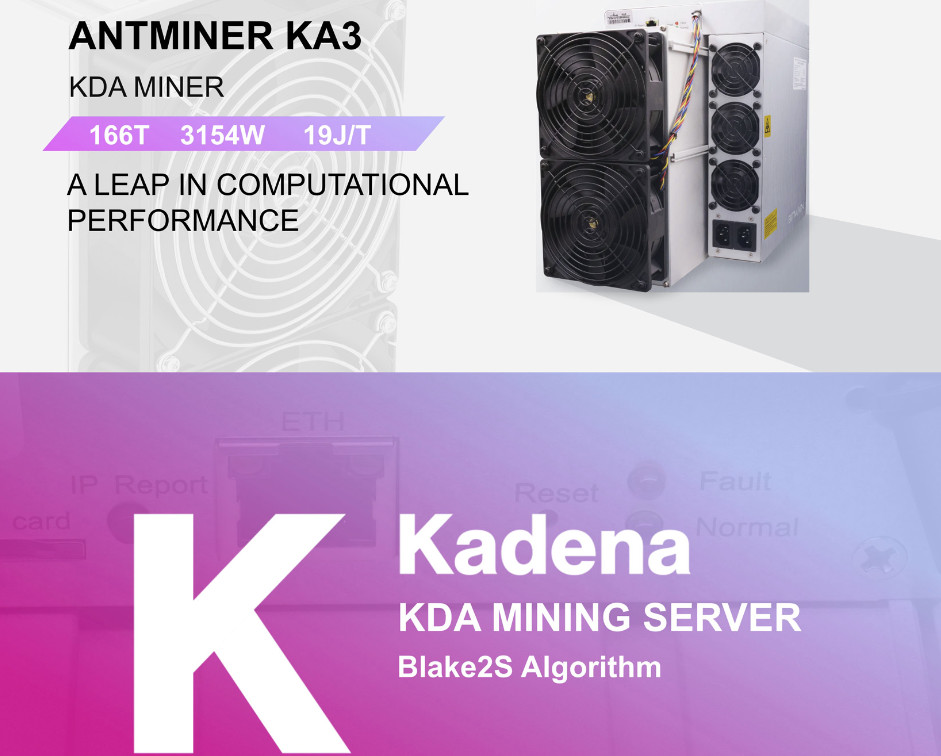
Technological advancements play a crucial role in enhancing mining efficiency. Innovations in ASIC (Application-Specific Integrated Circuit) technology have led to more powerful and energy-efficient mining rigs. These developments are essential for miners aiming to remain competitive in a fluctuating market.
Moreover, the integration of AI and machine learning into mining operations is becoming more prevalent. These technologies can help optimize performance, predict maintenance needs, and improve overall operational efficiency.
Regulatory Landscape and Its Impact
The regulatory environment surrounding Bitcoin mining is continually evolving. Recent discussions have focused on the environmental impact of mining operations, leading to increased scrutiny from governments and regulatory bodies. Miners must stay informed about these developments to ensure compliance and adapt their practices accordingly.
For instance, CoinDesk reported on the implications of regulatory changes for crypto platforms, highlighting the importance of robust compliance frameworks in the mining sector.
Future Outlook for Bitcoin Mining
Looking ahead, the future of Bitcoin mining appears to be shaped by several key factors:
- Market Demand: As Bitcoin continues to gain acceptance, the demand for mining is likely to increase.
- Technological Advancements: Continued innovation will drive efficiency and profitability.
- Regulatory Changes: Miners must adapt to an evolving regulatory landscape to remain viable.
In conclusion, Bitcoin mining is at a pivotal point, with hashprice recovery providing a temporary boost amidst a challenging environment. Miners who leverage technological advancements and stay informed about regulatory changes will be better positioned to thrive in the future. For more insights on Bitcoin mining trends, check out this Bitcoin Magazine article.