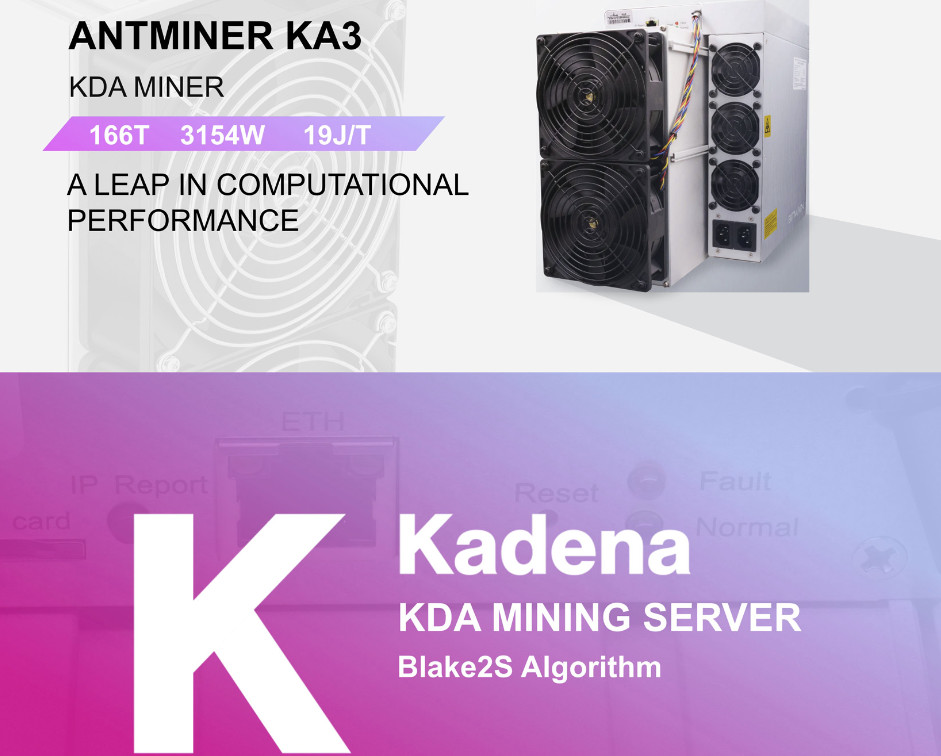


Bitcoin mining has evolved significantly since its inception, becoming a complex blend of technology, finance, and regulatory considerations. As the cryptocurrency landscape continues to change, understanding the implications of Bitcoin mining is crucial for both new and seasoned miners.
What is Bitcoin Mining?
Bitcoin mining is the process by which transactions are verified and added to the public ledger, known as the blockchain. Miners use powerful computers to solve complex mathematical problems, and in return, they are rewarded with newly minted bitcoins. This process not only secures the network but also introduces new coins into circulation.
The Importance of Energy Efficiency
One of the most significant challenges in Bitcoin mining is energy consumption. Miners require substantial amounts of electricity to power their operations, leading to concerns about environmental impact. As a result, many miners are exploring renewable energy sources to reduce their carbon footprint and operational costs.
According to a recent article from OneMiners, the energy efficiency of mining operations can significantly affect profitability. Miners must balance the cost of electricity with the potential rewards from mining to ensure a sustainable business model.
Tax Implications for Bitcoin Miners
Understanding the tax implications of Bitcoin mining is essential for anyone involved in the industry. Many miners mistakenly believe that they only owe taxes when they sell their mined bitcoins. However, as highlighted in the OneMiners article, mined coins are taxed as ordinary income the moment they hit your wallet.
This misunderstanding can lead to significant financial repercussions, especially as regulations evolve. For instance, a recent crypto tax bill that cleared a U.S. House panel aims to clarify these issues, but it still leaves many questions unanswered for miners.
Future Regulatory Changes
The regulatory landscape surrounding Bitcoin mining is continually changing. As noted by CoinDesk, discussions around the Crypto Clarity Act indicate that lawmakers are increasingly focused on establishing clearer guidelines for the cryptocurrency industry, including mining operations.
These potential changes could impact everything from taxation to operational regulations, making it crucial for miners to stay informed and adaptable.
Market Trends Affecting Bitcoin Mining
In addition to regulatory changes, market trends also play a significant role in the viability of Bitcoin mining. Recently, Bitcoin has seen a resurgence, with investors pouring nearly $1 billion into Bitcoin ETFs, as reported by Bitcoin Magazine. This influx of capital can lead to increased demand for mining, as more people enter the market.
Moreover, the current bull run suggests that Bitcoin’s price may continue to rise, further incentivizing mining activities. However, miners must also consider the associated costs, including hardware, electricity, and taxes.
Conclusion
Bitcoin mining remains a complex yet rewarding endeavor. By understanding the tax implications and staying abreast of market trends, miners can optimize their operations and navigate the evolving landscape. As the industry matures, continuous education and adaptation will be key to success.