

Bitcoin mining has evolved significantly since its inception, becoming a complex and competitive industry. As the demand for Bitcoin continues to rise, understanding the factors influencing mining operations is crucial for both investors and miners.
Understanding Bitcoin Mining Costs
One of the most critical aspects of Bitcoin mining is the cost associated with it. Factors such as electricity prices, hardware efficiency, and geographical location play a significant role in determining profitability. According to a recent article by OneMiners, the cheapest countries for Bitcoin mining in 2026 have been ranked based on their electricity rates. This information is vital for miners looking to optimize their operations.
Electricity Prices and Mining Locations
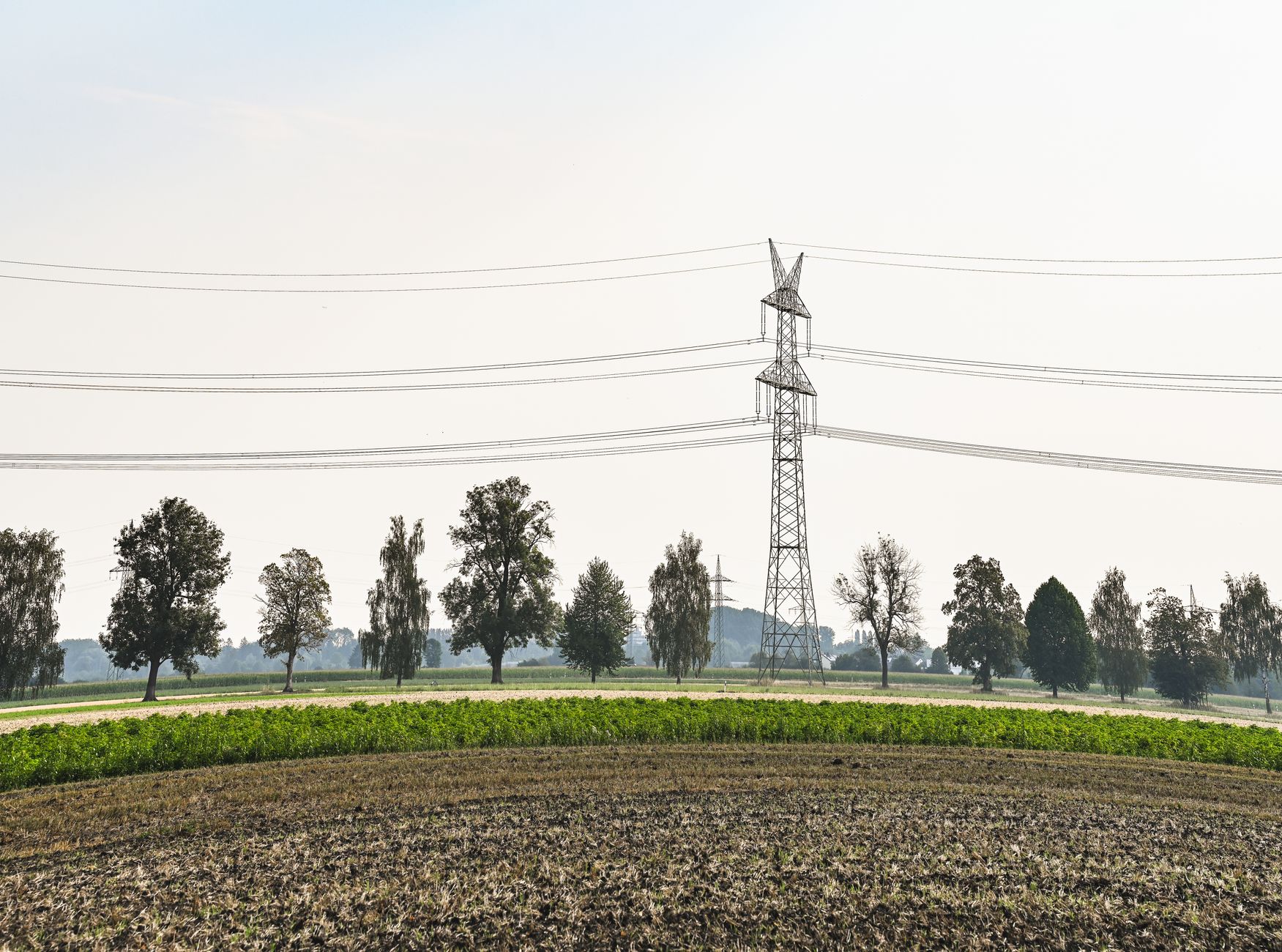
Electricity costs are often the largest expense for Bitcoin miners. Countries with lower electricity rates can significantly enhance profitability. For instance, regions with abundant renewable energy sources, such as hydroelectric power, often provide cheaper electricity, making them attractive for mining operations.
As highlighted in the CoinDesk article, understanding the regulatory environment and potential risks in different countries is also essential. Miners must navigate various legal frameworks to ensure compliance and security.
Technological Advancements in Mining
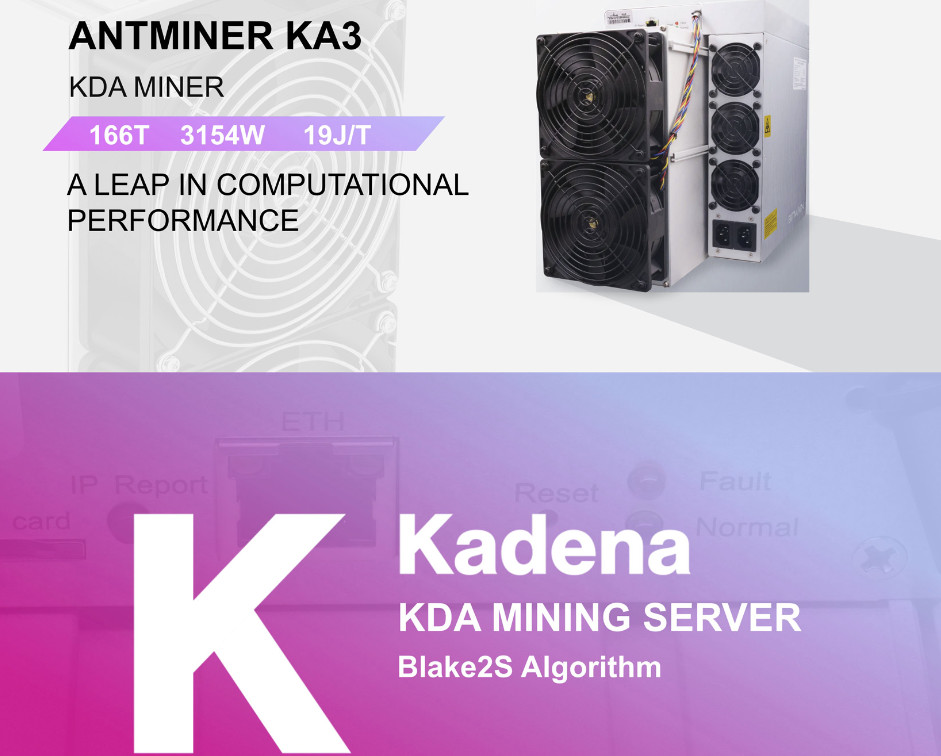
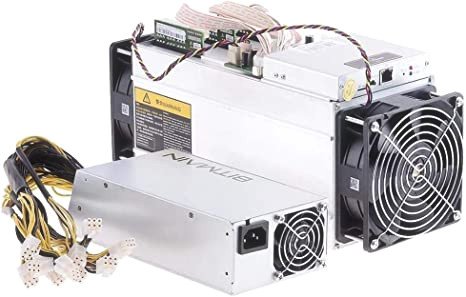
In addition to location and cost, technological advancements are reshaping the Bitcoin mining landscape. The introduction of more efficient ASIC miners has allowed miners to increase their hashing power while reducing energy consumption.
Impact of AI on Bitcoin Mining
Recent discussions, such as those presented by Decrypt, suggest that AI could play a significant role in the future of Bitcoin mining. Autonomous AI agents may drive demand by optimizing mining operations and managing energy consumption more effectively.
Furthermore, the integration of AI in market analysis can help miners make informed decisions regarding when to mine and when to hold their assets, potentially increasing profitability.
Future Trends in Bitcoin Mining
As the Bitcoin mining industry continues to evolve, several trends are emerging that could shape its future:
- Decentralization: The push for decentralized mining operations is gaining traction, allowing smaller miners to compete with larger entities.
- Environmental Concerns: With growing scrutiny over the environmental impact of Bitcoin mining, many operations are shifting towards sustainable energy sources.
- Regulatory Changes: As governments worldwide begin to regulate cryptocurrencies, miners must stay informed about potential changes that could affect their operations.
In conclusion, the future of Bitcoin mining is influenced by a combination of cost, technology, and regulatory factors. By staying informed about these trends, miners can better position themselves for success in this dynamic industry. For more insights on Bitcoin mining and its future, check out the full article on OneMiners.