

As we look towards 2026, many are asking: Is home Bitcoin mining still a viable option? With the increasing complexity of mining operations and the rising costs of electricity, this question becomes more pertinent. In this article, we will explore the feasibility of home Bitcoin mining, focusing on the necessary equipment, costs, and potential challenges.
Understanding Home Bitcoin Mining
Bitcoin mining involves validating transactions on the Bitcoin network and adding them to the blockchain. Miners use powerful computers to solve complex mathematical problems, and in return, they earn Bitcoin. However, the landscape of mining is changing rapidly, and understanding the current environment is crucial.
Equipment Needed for Home Mining
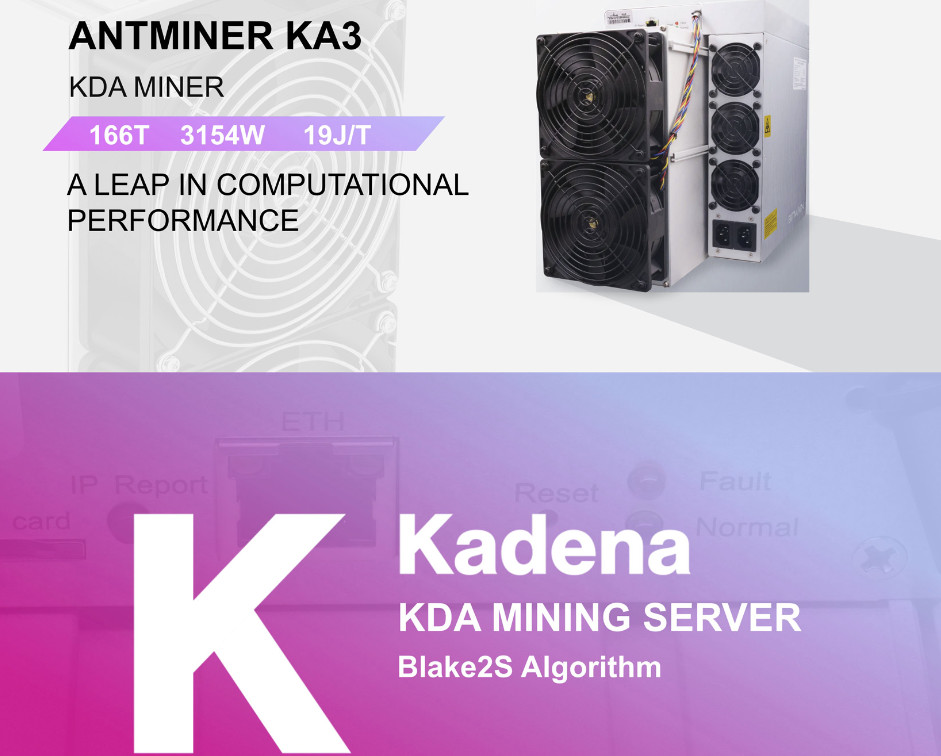
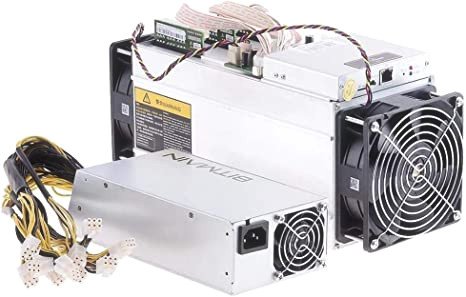
To mine Bitcoin at home, you will need specialized hardware known as ASIC (Application-Specific Integrated Circuit) miners. These devices are designed specifically for mining cryptocurrencies and are significantly more efficient than traditional computers.
- ASIC Miners: The most effective hardware for Bitcoin mining.
- Power Supply: A reliable power source is essential, often requiring a three-phase supply.
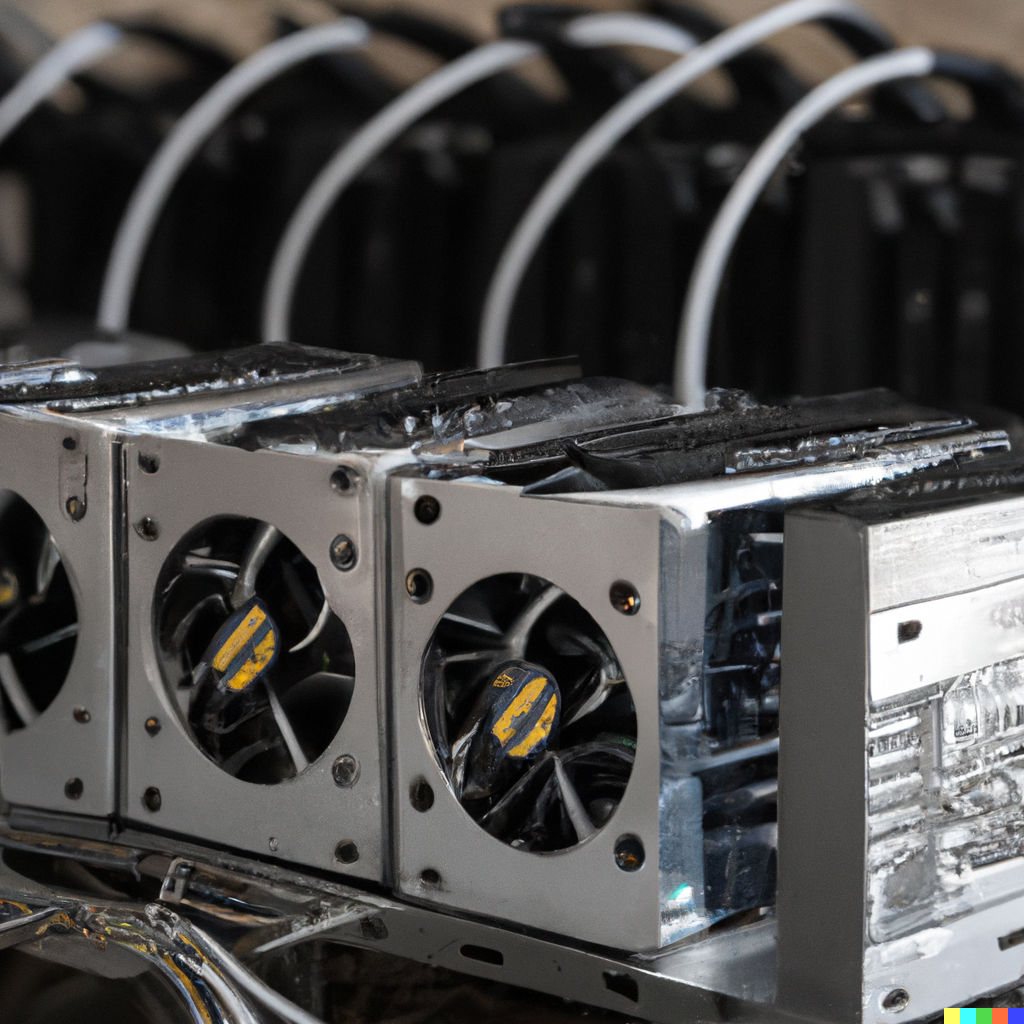
- Cooling Systems: Mining generates a lot of heat, necessitating effective cooling solutions.
Cost Considerations
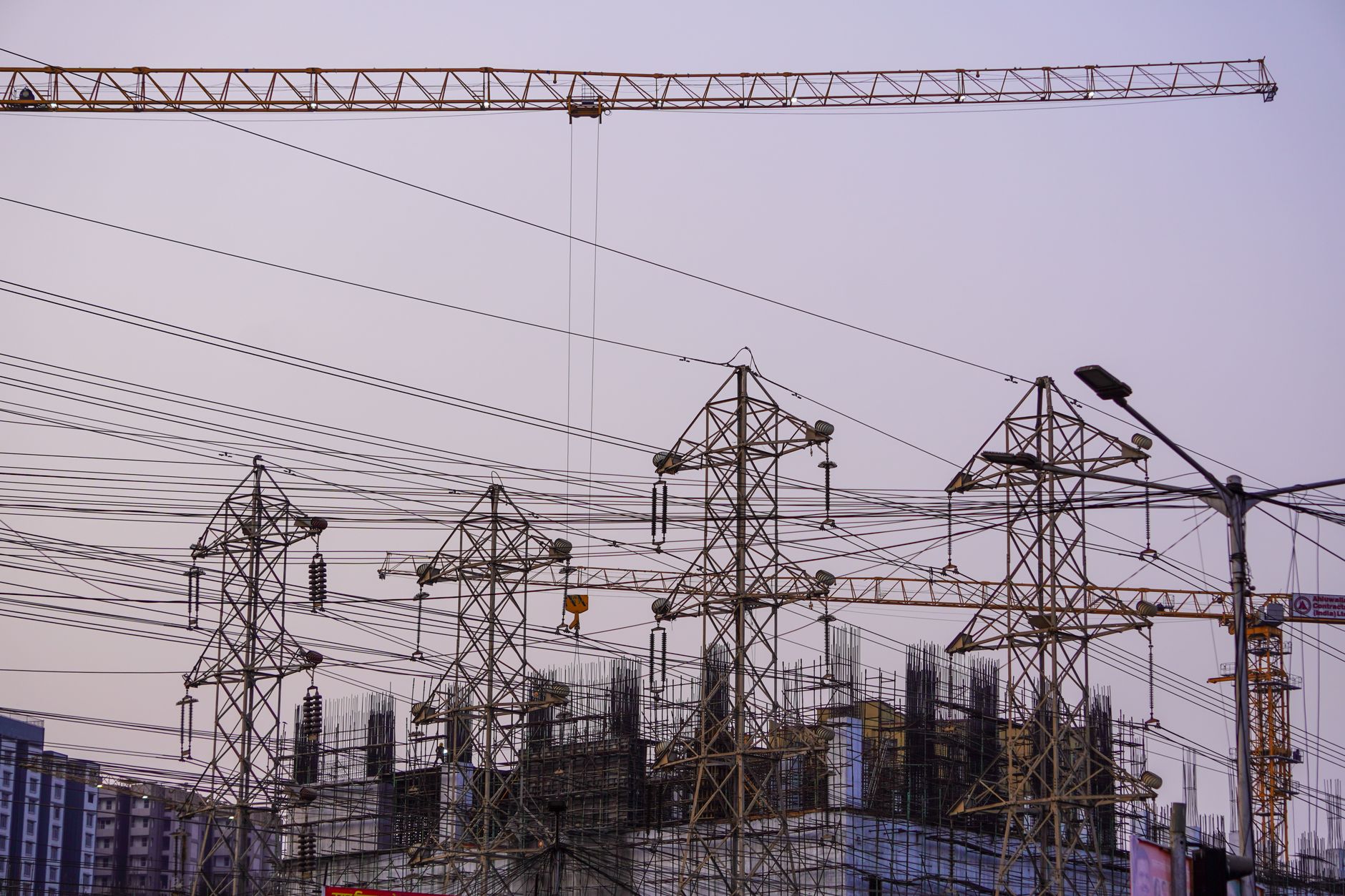
One of the most significant factors affecting the viability of home Bitcoin mining is the cost of electricity. According to a recent article from OneMiners, understanding your local electricity rates is crucial. In 2026, the cost of electricity can vary significantly, impacting profitability.
Additionally, the initial investment for the necessary equipment can be substantial. ASIC miners can range from hundreds to thousands of dollars, depending on their efficiency and processing power.
Challenges of Home Mining
While home Bitcoin mining can be appealing, several challenges must be considered:
- Noise Levels: ASIC miners can be quite loud, which may not be suitable for residential areas.
- Heat Generation: The heat produced can affect your home environment and may require additional cooling solutions.
- Regulatory Issues: As the cryptocurrency landscape evolves, regulations may impact home mining operations.
Future Outlook for Home Bitcoin Mining
As we move further into 2026, the future of home Bitcoin mining remains uncertain. While some enthusiasts continue to mine from home, many are turning to larger mining farms that can benefit from economies of scale. These farms often have access to cheaper electricity and more efficient cooling systems, making them more competitive.
For those considering home mining, it is essential to stay informed about the latest trends and technologies in the industry. Resources like CoinDesk and Decrypt provide valuable insights into the evolving landscape of cryptocurrency regulations and market dynamics.
Conclusion
In conclusion, while home Bitcoin mining may still be possible in 2026, it comes with significant challenges and costs. Prospective miners should carefully evaluate their local electricity rates, equipment costs, and the overall feasibility of mining from home. Staying informed and adapting to the changing landscape will be key to success in this field.