

As we look towards 2026, many are asking: Is Bitcoin mining still worth it? The answer is complex and depends on several factors, including electricity costs, hardware efficiency, and market conditions.
Understanding Bitcoin Mining Costs
Bitcoin mining involves solving complex mathematical problems to validate transactions on the blockchain. This process requires significant computational power, which translates to high electricity consumption. According to a recent article from OneMiners, mining becomes unprofitable when electricity costs exceed a certain threshold. This threshold varies based on the efficiency of the mining hardware used.
Factors Influencing Profitability
- Electricity Prices: The primary cost factor in mining operations. Regions with lower electricity costs are more favorable for miners.
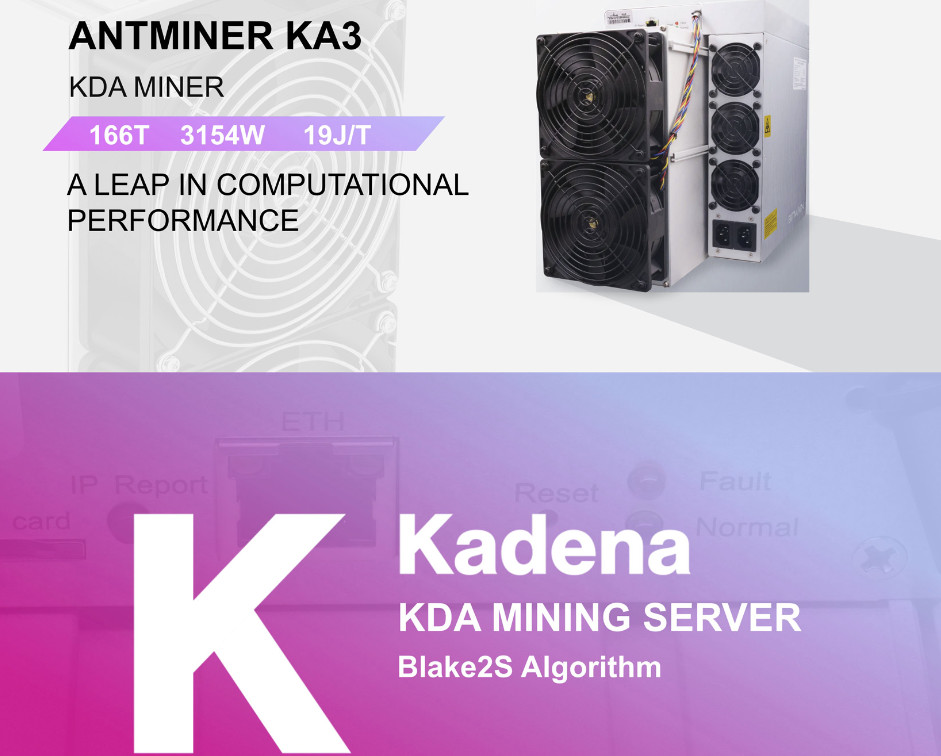
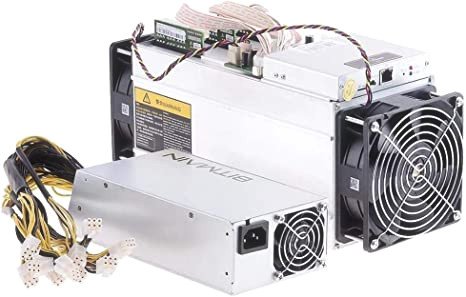
- Mining Hardware: The efficiency of ASIC miners plays a crucial role. Newer models offer better performance and lower energy consumption.
- Bitcoin Market Price: The value of Bitcoin directly affects mining profitability. A higher market price can offset rising operational costs.
Evaluating Mining Setups
Different mining setups can yield varying results. The OneMiners article outlines five realistic setups, ranked based on their break-even potential. These setups consider factors like hardware costs, electricity rates, and expected Bitcoin prices.
Types of Mining Setups
- Home Mining: Suitable for hobbyists but often less profitable due to higher electricity costs.
- Mining Pools: Joining a pool can increase chances of earning Bitcoin, but fees may reduce overall profits.
- Industrial Mining Farms: Large-scale operations benefit from economies of scale and lower energy costs.

Market Trends and Future Outlook
As Bitcoin continues to evolve, so does the regulatory landscape. Recent developments indicate that the cryptocurrency market is adapting to regulatory pressures. An article from Decrypt discusses how the SEC and CFTC are stepping in to establish clearer rules for the industry. This regulatory clarity could impact mining operations significantly.
Investment in Infrastructure
Investors are increasingly looking at the infrastructure supporting Bitcoin mining. As highlighted by CoinDesk, companies are betting on becoming financial infrastructure rather than just crypto exchanges. This shift could lead to improved services for miners and potentially lower costs.

Conclusion
In conclusion, Bitcoin mining in 2026 presents both challenges and opportunities. While profitability is influenced by electricity costs and hardware efficiency, the evolving market and regulatory landscape could provide new avenues for miners. Staying informed and adapting to changes will be crucial for anyone involved in this space.