
As we approach 2026, many are questioning Bitcoin mining and its profitability. With fluctuating energy prices and evolving technology, understanding the landscape is crucial for miners and investors alike.
Understanding the Costs of Bitcoin Mining
Bitcoin mining involves significant costs, primarily driven by electricity consumption. According to a recent analysis from OneMiners, mining operations are viable only above a specific electricity price threshold. This means that miners must carefully evaluate their energy sources and operational efficiency.
Key Factors Influencing Mining Profitability
- Electricity Prices: The cost of electricity varies widely by region. Miners in areas with lower rates can operate more profitably.
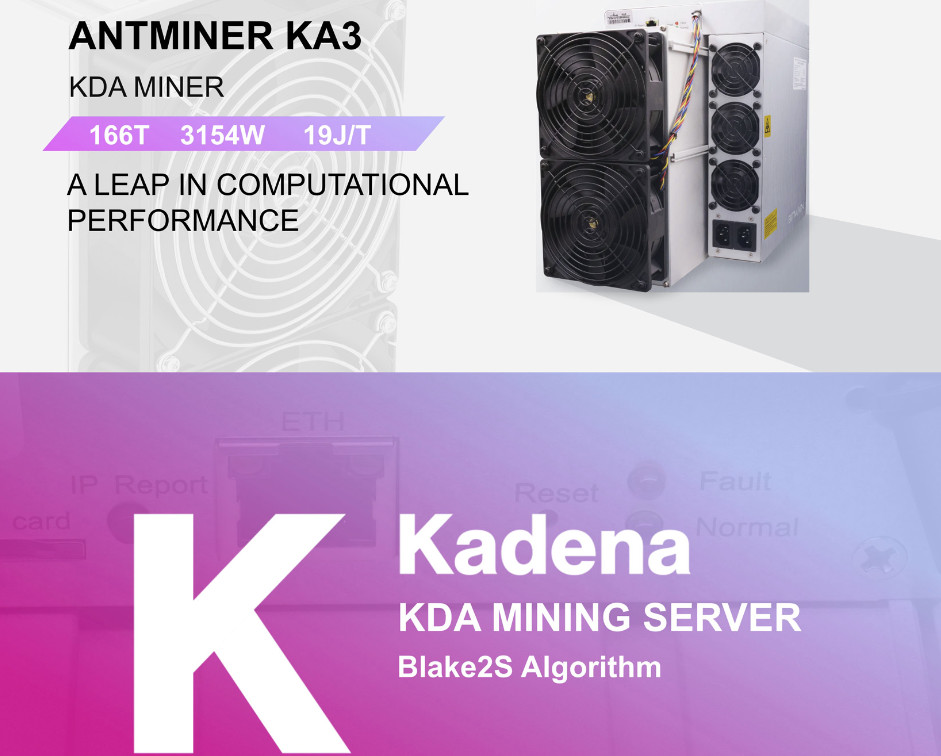
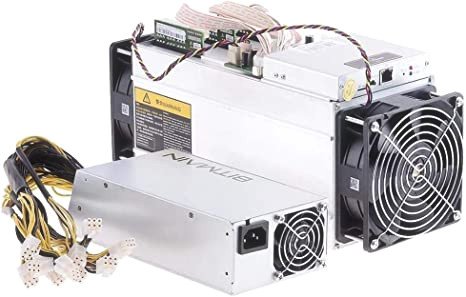
- Mining Equipment: The efficiency of mining hardware, such as ASIC miners, plays a critical role in determining profitability.
- Network Difficulty: As more miners join the network, the difficulty of mining increases, impacting the chances of earning Bitcoin.

Evaluating Mining Setups
Miners often explore different setups to maximize their returns. The OneMiners article outlines five realistic mining setups, ranked based on their break-even potential. These setups vary in terms of hardware investment and operational costs, providing options for both small and large-scale miners.
Types of Mining Setups
- Home Mining: Suitable for hobbyists, but often less profitable due to higher electricity costs.
- Industrial Mining: Large facilities that benefit from economies of scale and lower energy prices.
- Cloud Mining: Renting mining power from a third party, which can reduce upfront costs but may involve ongoing fees.
Market Trends and Future Outlook
The Bitcoin market is influenced by various factors, including regulatory changes and technological advancements. Recent reports from Decrypt indicate that Bitcoin ETFs have seen a resurgence, drawing nearly $3 billion over a week. This influx of investment could signal renewed interest in Bitcoin, potentially benefiting miners.
Moreover, as CoinDesk highlights, companies are increasingly looking to integrate cryptocurrency into broader financial infrastructures, which could lead to more stable demand for Bitcoin.
Conclusion
In conclusion, while Bitcoin mining presents challenges, it remains a viable option for those who can navigate the complexities of costs and market dynamics. As we move further into 2026, staying informed about energy prices, mining technology, and market trends will be essential for anyone involved in this space.