
Bitcoin mining has evolved significantly over the years, becoming a crucial part of the cryptocurrency ecosystem. As we look towards 2026, understanding the trends and profitability of Bitcoin mining is essential for both new and seasoned miners.
Understanding Bitcoin Mining
Bitcoin mining involves validating transactions on the Bitcoin network and adding them to the blockchain. Miners use powerful computers to solve complex mathematical problems, and in return, they are rewarded with newly minted bitcoins. This process not only secures the network but also introduces new coins into circulation.
Profitability in 2026
According to a recent article from OneMiners, no single company stands out as the most profitable Bitcoin miner in 2026. Instead, profitability varies based on business models, hardware specifications, and electricity costs. Miners must carefully consider these factors to maximize their returns.
Key Factors Influencing Mining Profitability
- Electricity Costs: The cost of electricity is a significant factor in mining profitability. Miners in regions with lower electricity rates have a competitive advantage.
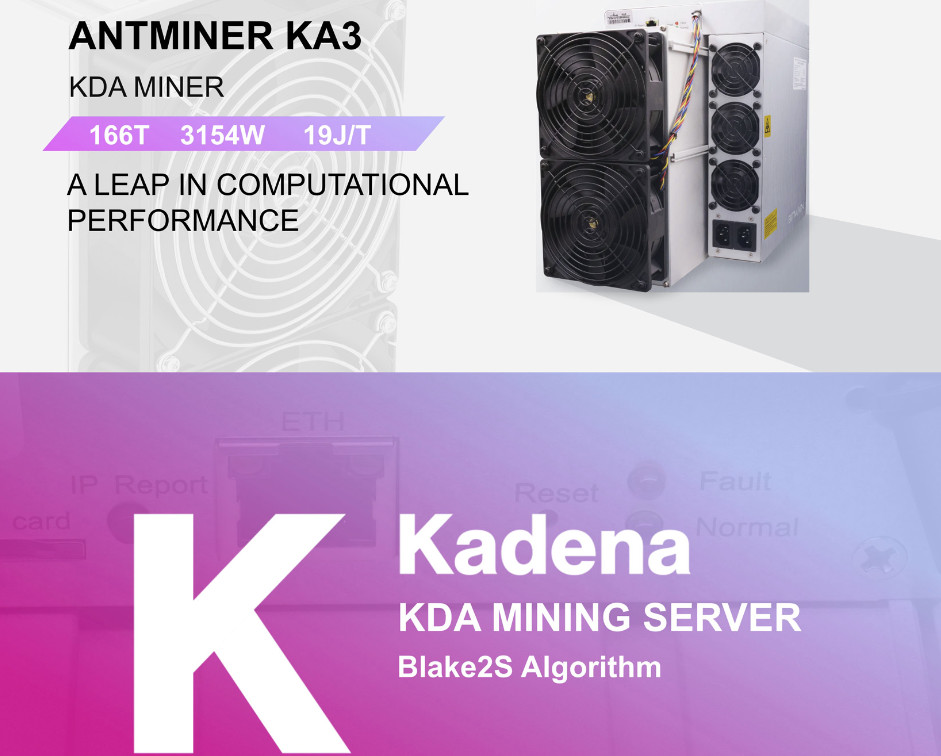
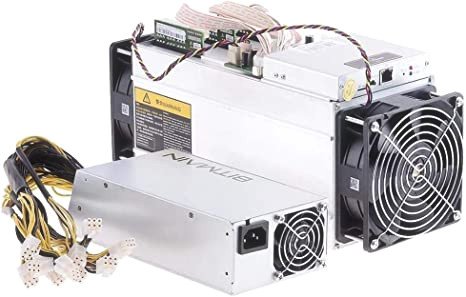
- Hardware Efficiency: The type of mining hardware used can greatly affect profitability. More efficient machines can solve problems faster, leading to higher rewards.
- Market Conditions: The price of Bitcoin and market demand can fluctuate, impacting miners’ earnings. Recent trends indicate that Bitcoin is on track for a third straight monthly gain, as noted by CoinDesk.
Emerging Trends in Bitcoin Mining
As the Bitcoin mining landscape continues to evolve, several trends are emerging:
- Green Mining: With increasing awareness of environmental issues, many miners are seeking sustainable energy sources to power their operations.
- Decentralization: The push for decentralized mining operations is growing, allowing more individuals to participate in the mining process.
- Regulatory Changes: Countries are beginning to establish legal frameworks for cryptocurrency operations, which could impact mining practices. For instance, Belarus has recently approved its first crypto banks, as reported by Bitcoin Magazine.

Conclusion
As we move further into 2026, Bitcoin mining remains a dynamic and evolving field. By understanding the factors that influence profitability and staying informed about emerging trends, miners can better position themselves for success in this competitive landscape.