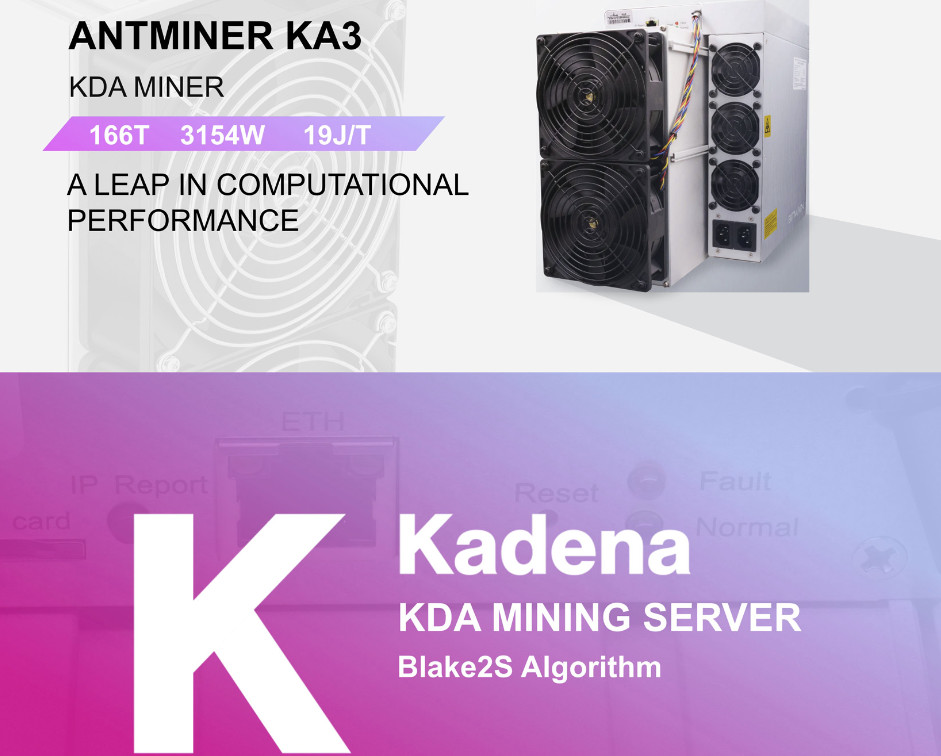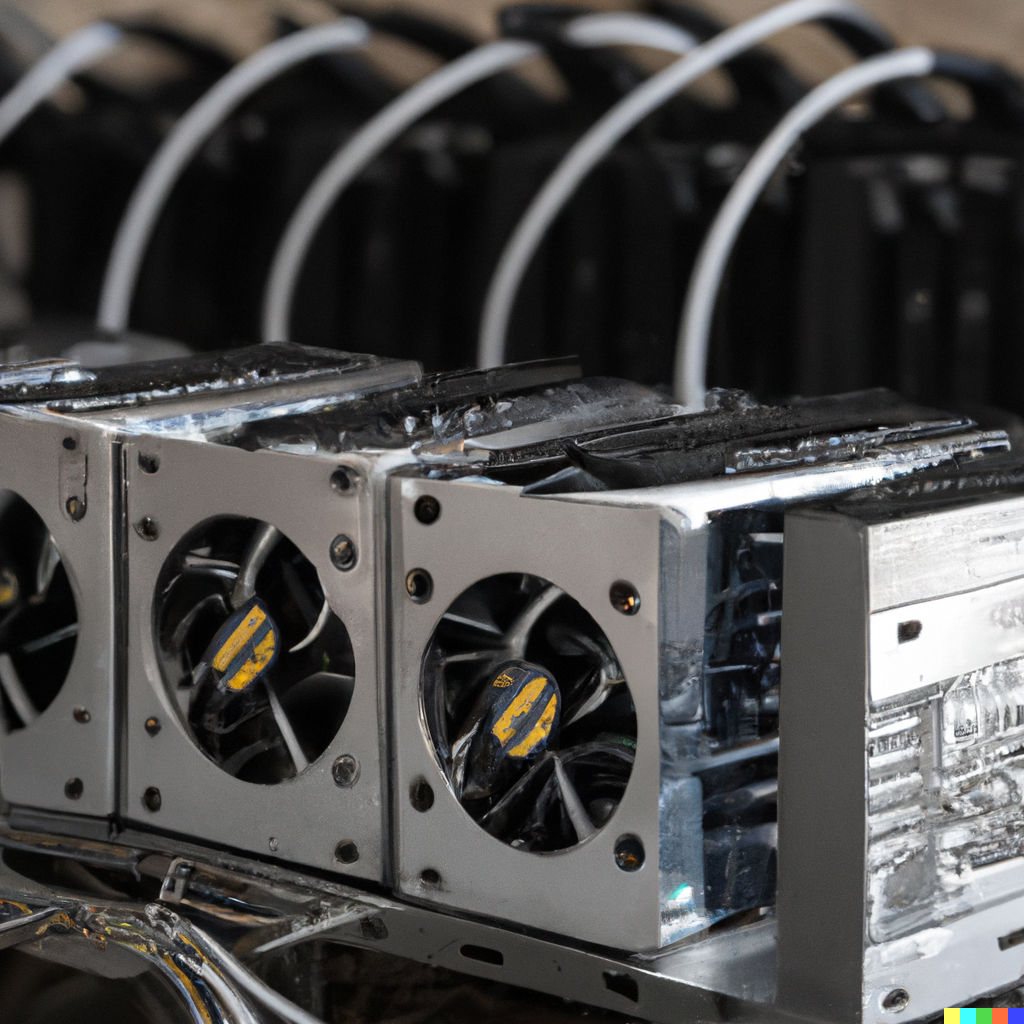


Bitcoin mining is a crucial process that underpins the entire Bitcoin network. It involves validating transactions and adding them to the blockchain, ensuring the integrity and security of the cryptocurrency. As Bitcoin continues to gain traction, understanding the nuances of mining becomes increasingly important.
The Basics of Bitcoin Mining
At its core, Bitcoin mining is the process of solving complex mathematical problems to validate transactions. Miners use powerful computers to compete in solving these problems, and the first one to succeed gets to add a new block to the blockchain. This process not only secures the network but also releases new bitcoins into circulation.
How Mining Works
- Transaction Validation: Miners verify transactions and group them into blocks.
- Proof of Work: Miners must perform computational work to solve a cryptographic puzzle.
- Block Rewards: Successful miners receive a reward in the form of newly minted bitcoins.
According to a recent article on OneMiners, Bitcoin recently reached a significant milestone, touching $87,396, marking its highest level since January. This surge is attributed to various factors, including increased institutional interest and the launch of spot Bitcoin ETFs.
The Impact of Mining on the Bitcoin Ecosystem
Mining plays a pivotal role in the Bitcoin ecosystem. It not only facilitates transactions but also influences the overall market dynamics. As more miners join the network, the competition increases, leading to higher energy consumption and operational costs.
Energy Consumption Concerns
One of the most debated aspects of Bitcoin mining is its energy consumption. Critics argue that the environmental impact is significant, while proponents highlight the potential for renewable energy sources to power mining operations. The CoinDesk article discusses how the crypto industry invested heavily in lobbying for regulations that could impact energy usage in mining.
Emerging Trends in Bitcoin Mining
As the Bitcoin landscape evolves, several trends are shaping the future of mining:
- Increased Regulation: Countries are beginning to implement regulations that affect mining operations.
- Technological Advancements: New mining hardware is being developed to improve efficiency.
- Shift to Renewable Energy: Many miners are exploring sustainable energy sources to reduce their carbon footprint.
For instance, the UK has recently brought crypto under full FCA oversight, which could have implications for mining operations as discussed in this Bitcoin Magazine article.

Conclusion
Understanding Bitcoin mining is essential for anyone interested in the cryptocurrency space. As the market continues to evolve, staying informed about the latest trends and regulatory changes will be crucial for miners and investors alike. With the right knowledge, participants can navigate the complexities of Bitcoin mining effectively.