

Bitcoin mining has evolved significantly since its inception, becoming a crucial component of the cryptocurrency ecosystem. As the demand for Bitcoin continues to rise, understanding the trends and technological advancements in mining is essential for both new and seasoned miners.
Understanding Bitcoin Mining
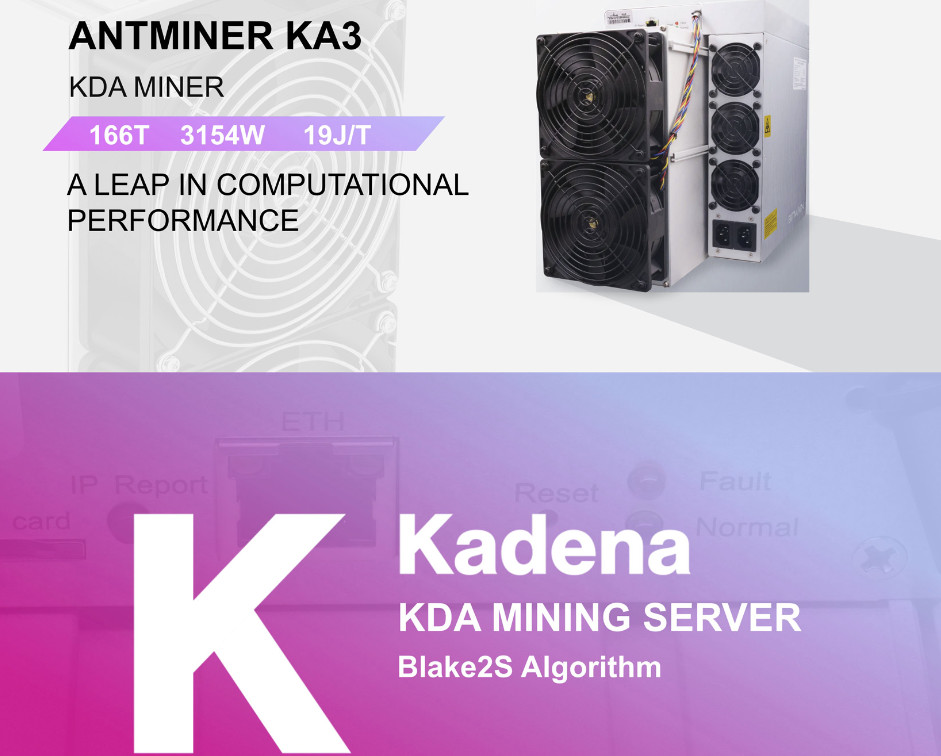
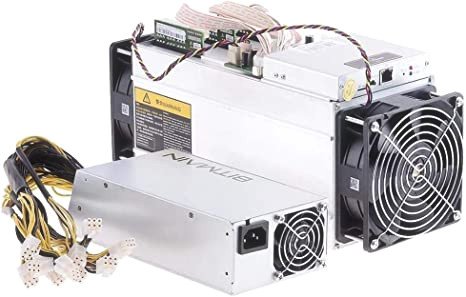
At its core, Bitcoin mining involves solving complex mathematical problems to validate transactions on the blockchain. Miners use powerful computers, known as ASICs (Application-Specific Integrated Circuits), to perform these calculations. The process not only secures the network but also generates new bitcoins.
Technological Advancements
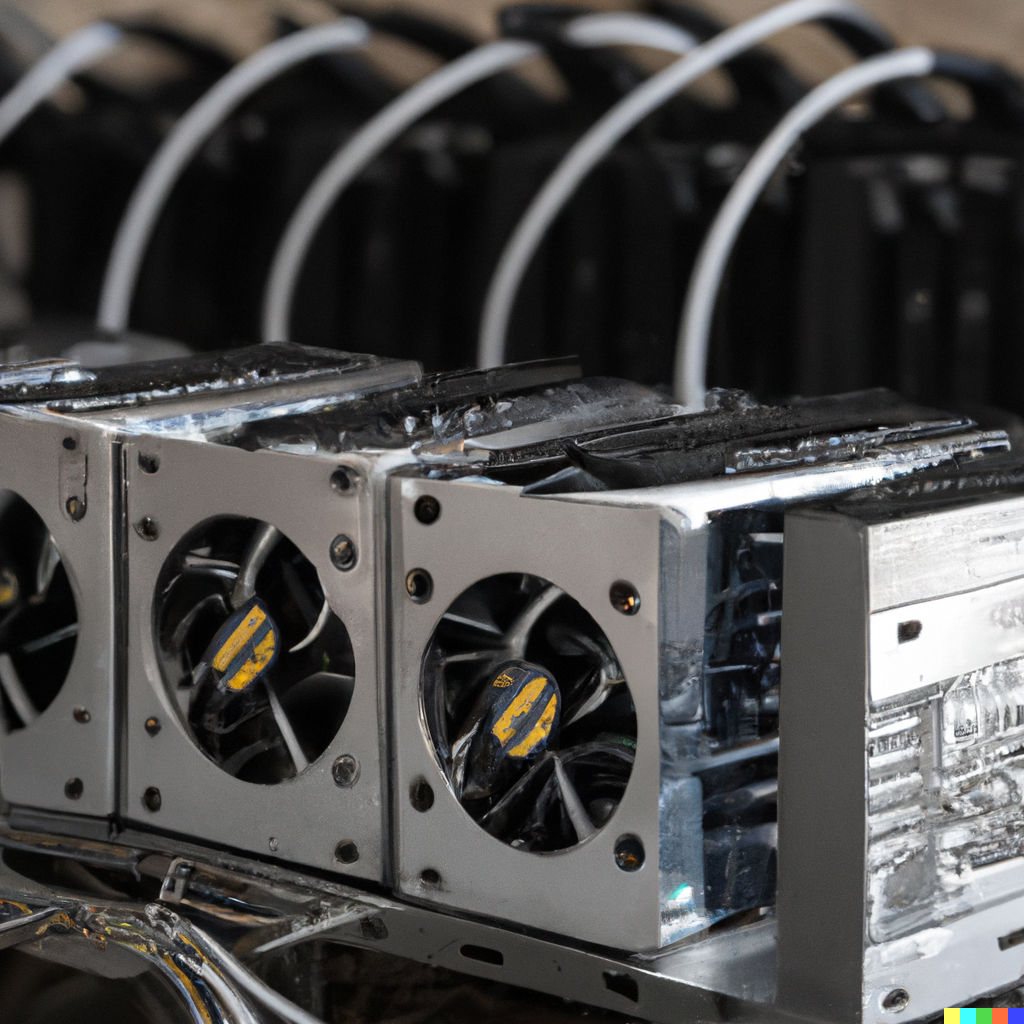
Recent developments in mining technology have made it more efficient and accessible. For instance, the introduction of more powerful ASIC miners has significantly increased hash rates, allowing miners to solve blocks faster. Additionally, innovations in cooling systems and energy efficiency are helping to reduce operational costs.
Energy consumption remains a critical concern in the Bitcoin mining industry. Miners are increasingly turning to renewable energy sources to power their operations. This shift not only helps in reducing carbon footprints but also stabilizes energy costs in the long run.
Market Dynamics
The Bitcoin mining landscape is also influenced by market dynamics. As Bitcoin’s price fluctuates, so does the profitability of mining. Miners must constantly adapt to changing market conditions, including competition from other miners and regulatory challenges. For example, the recent OneMiners article discusses the implications of Bitmain’s Antminer X9, which faced significant challenges before its release.
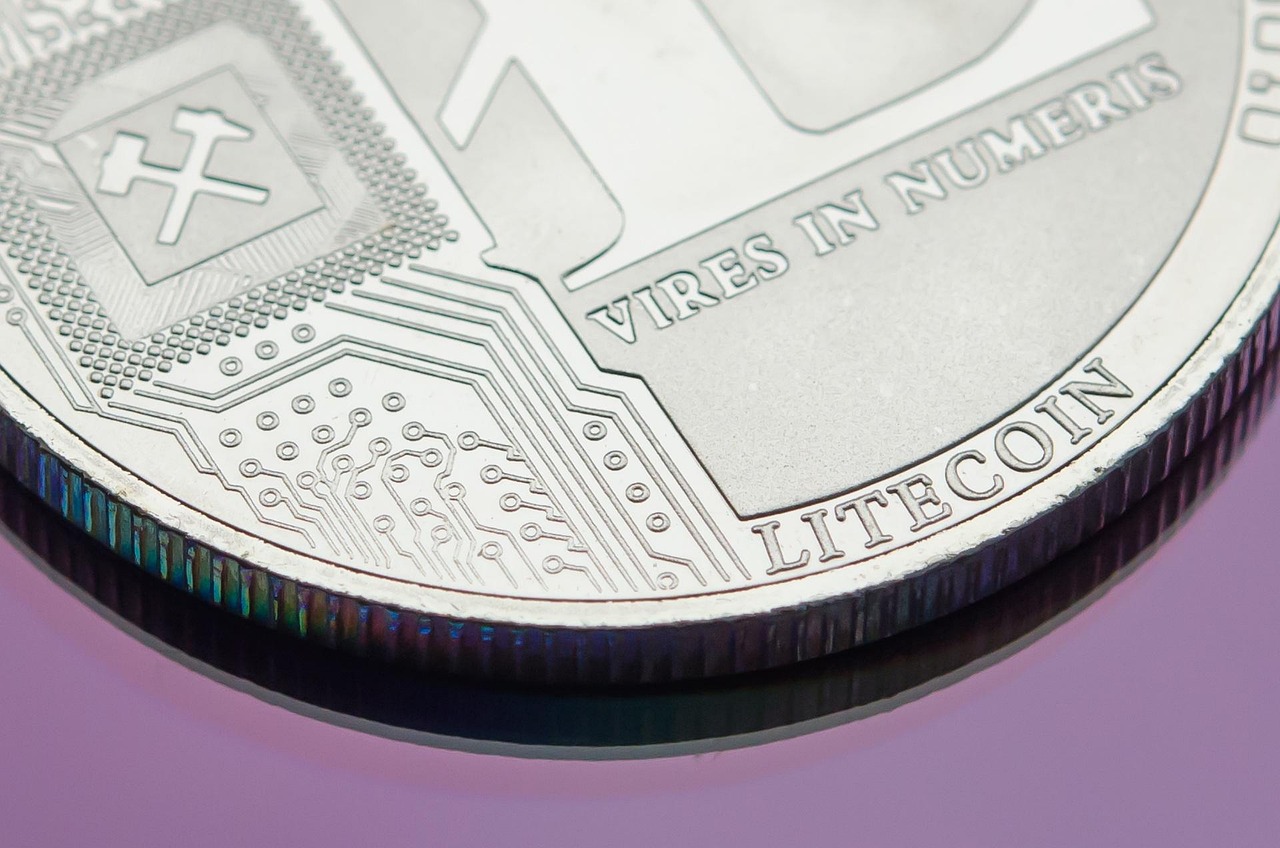
Moreover, the rise of alternative cryptocurrencies has led to increased competition in the mining space. Miners are diversifying their portfolios by exploring other coins, which can be more profitable under certain market conditions.
Future Trends
Looking ahead, several trends are likely to shape the future of Bitcoin mining:
- Increased Regulation: As governments worldwide begin to regulate cryptocurrencies, miners will need to navigate new legal landscapes.
- Technological Integration: The integration of AI and machine learning in mining operations could optimize performance and reduce costs.
- Focus on Sustainability: The push for greener mining practices will continue, with more miners adopting renewable energy sources.
Recent reports indicate that job postings in the crypto sector have tripled, reflecting the growing interest in blockchain technology and its applications. According to CoinDesk, finance and engineering roles are leading the demand, highlighting the need for skilled professionals in the mining sector.
Additional reading: IMF Praises El Salvador — But Still Tries To Scale Back Its Bitcoin Project from Bitcoin Magazine.
Conclusion
Bitcoin mining is at a pivotal point, with technological advancements and market dynamics shaping its future. As miners adapt to these changes, staying informed about trends and innovations will be crucial for success in this competitive landscape.