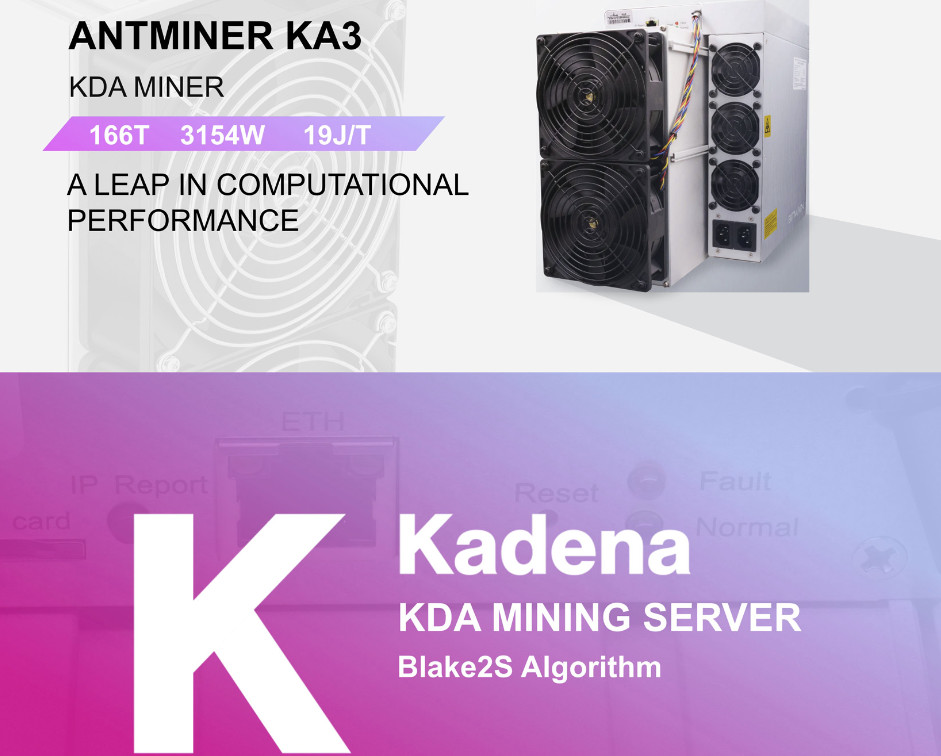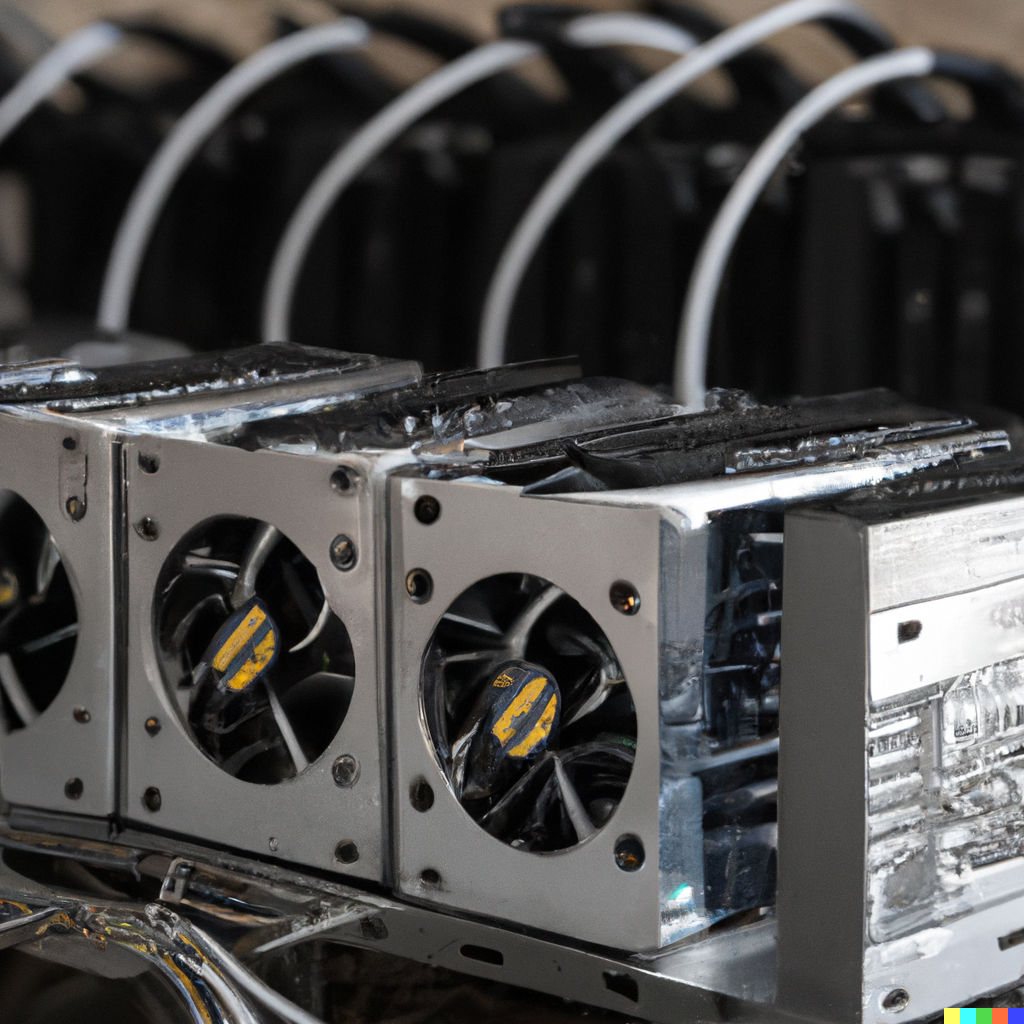


Bitcoin mining is a critical process that ensures the integrity and security of the Bitcoin network. It involves solving complex mathematical problems to validate transactions and add them to the blockchain. As the cryptocurrency landscape evolves, understanding the nuances of Bitcoin mining becomes increasingly important.
What is Bitcoin Mining?
At its core, Bitcoin mining is the process by which new bitcoins are created and transactions are verified. Miners use powerful computers to solve cryptographic puzzles, and in return, they are rewarded with bitcoins. This process not only generates new coins but also secures the network against fraud.
The Mining Process
- Transaction Verification: Miners collect transactions from the Bitcoin network and verify their authenticity.
- Block Creation: Verified transactions are grouped into blocks, which are then added to the blockchain.
- Proof of Work: Miners compete to solve a mathematical puzzle, known as proof of work, to validate the block.
- Reward: The first miner to solve the puzzle receives a reward in the form of newly minted bitcoins.
As the number of miners increases, the difficulty of these puzzles also rises, ensuring that blocks are added to the blockchain at a consistent rate.
Challenges in Bitcoin Mining
While Bitcoin mining can be lucrative, it is not without its challenges. Here are some of the most significant hurdles miners face:
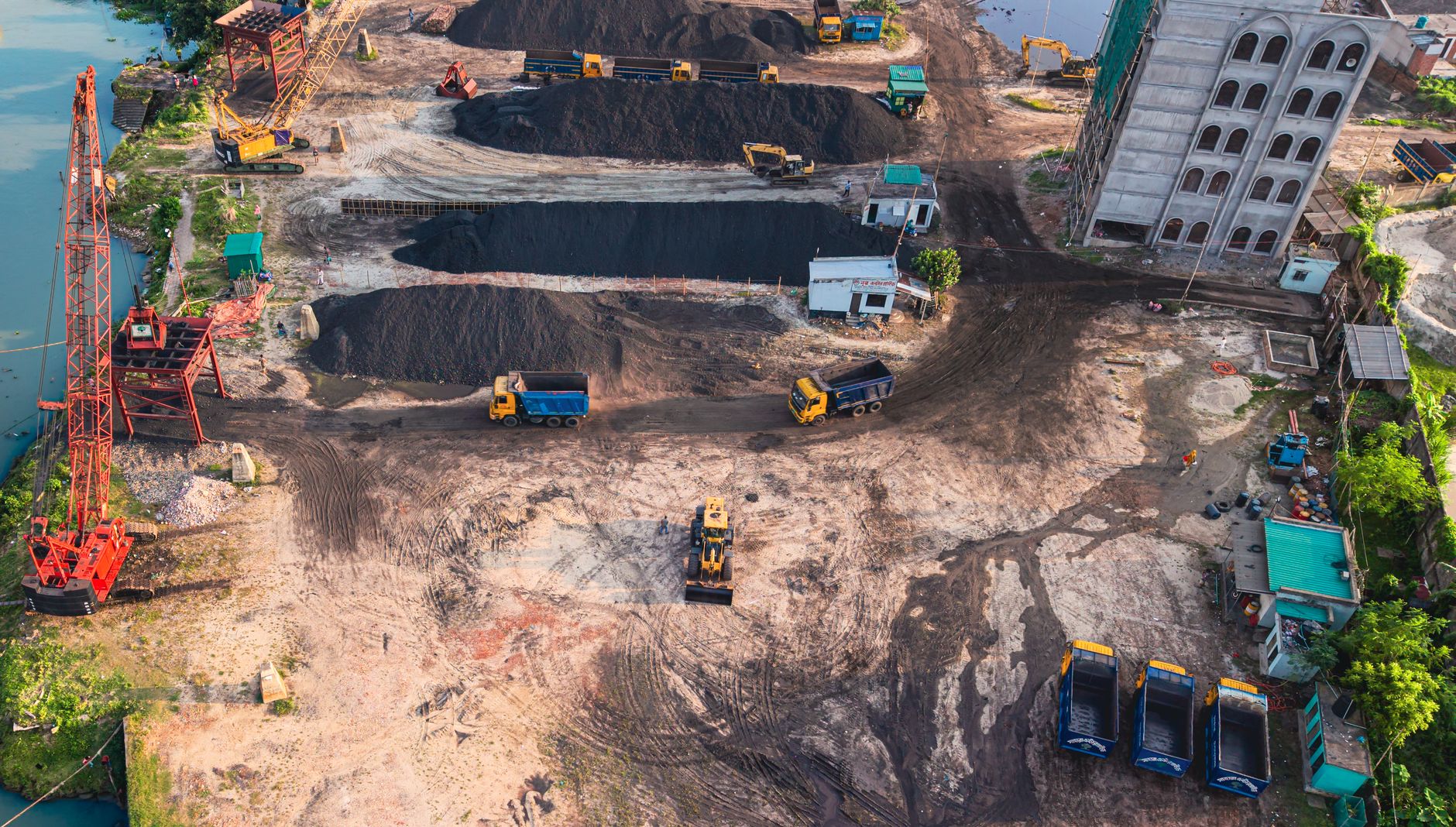
- High Energy Consumption: Mining requires substantial energy, leading to concerns about its environmental impact.
- Hardware Costs: The initial investment in mining hardware can be significant, with specialized ASIC miners being the most efficient.
- Market Volatility: The price of Bitcoin can fluctuate dramatically, affecting the profitability of mining operations.
According to a recent article from OneMiners, the mining landscape is continually changing, with new technologies and regulations impacting miners’ operations.

The Future of Bitcoin Mining
The future of Bitcoin mining is poised for transformation. Innovations in technology, shifts in regulatory frameworks, and growing concerns about sustainability are driving changes in the industry.
Technological Advancements
As mining technology evolves, miners are looking for more efficient and sustainable solutions. For instance, the development of green mining initiatives aims to reduce the carbon footprint associated with mining operations.
Additionally, the integration of artificial intelligence in mining operations is becoming more prevalent. A recent report from Decrypt highlights how AI is being utilized to enhance operational efficiency and security in the mining sector.
Regulatory Landscape
Governments worldwide are beginning to take a closer look at cryptocurrency mining, leading to potential regulations that could impact the industry. For example, the International Monetary Fund (IMF) has expressed both support and caution regarding Bitcoin initiatives in various countries, as noted in an article by Bitcoin Magazine.
Conclusion
Bitcoin mining remains a vital component of the cryptocurrency ecosystem. While it presents numerous challenges, ongoing technological advancements and regulatory developments are shaping its future. As the industry continues to evolve, staying informed about these changes is crucial for anyone involved in or considering entering the mining space.