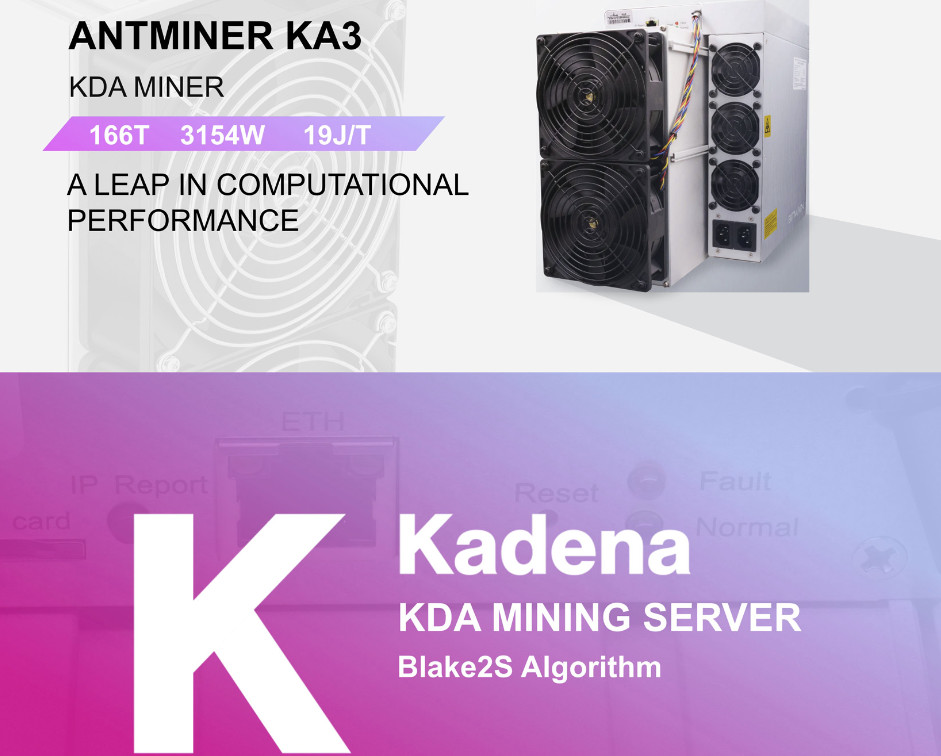

Bitcoin mining has evolved significantly over the years, becoming a crucial component of the cryptocurrency ecosystem. As the demand for Bitcoin increases, so does the complexity and scale of mining operations. This article delves into the latest trends in Bitcoin mining, focusing on miner reserves and market dynamics.
Current Trends in Bitcoin Mining
As of October 2026, Bitcoin miners are facing a pivotal moment. Recent reports indicate that miners sold 1,530 BTC in just one week during late September. However, each subsequent selling wave has been smaller than the last, suggesting a shift in miner behavior and market sentiment (OneMiners).
Miner Reserves and Market Sentiment
The data on miner reserves is crucial for understanding the market dynamics. A decrease in miner reserves can indicate that miners are cashing out, possibly due to lower Bitcoin prices or increased operational costs. Conversely, stable or increasing reserves may suggest that miners are confident in future price increases. The recent trend of smaller selling waves could imply that miners are holding onto their assets in anticipation of better market conditions.
In addition to miner reserves, the overall market environment plays a significant role in shaping mining strategies. Factors such as regulatory changes, technological advancements, and energy costs are all critical considerations for miners. For instance, the recent approval of new regulations by the CFTC has been seen as a positive development for Bitcoin, potentially opening new avenues for investment and trading (Bitcoin Magazine).

Energy Consumption and Sustainability
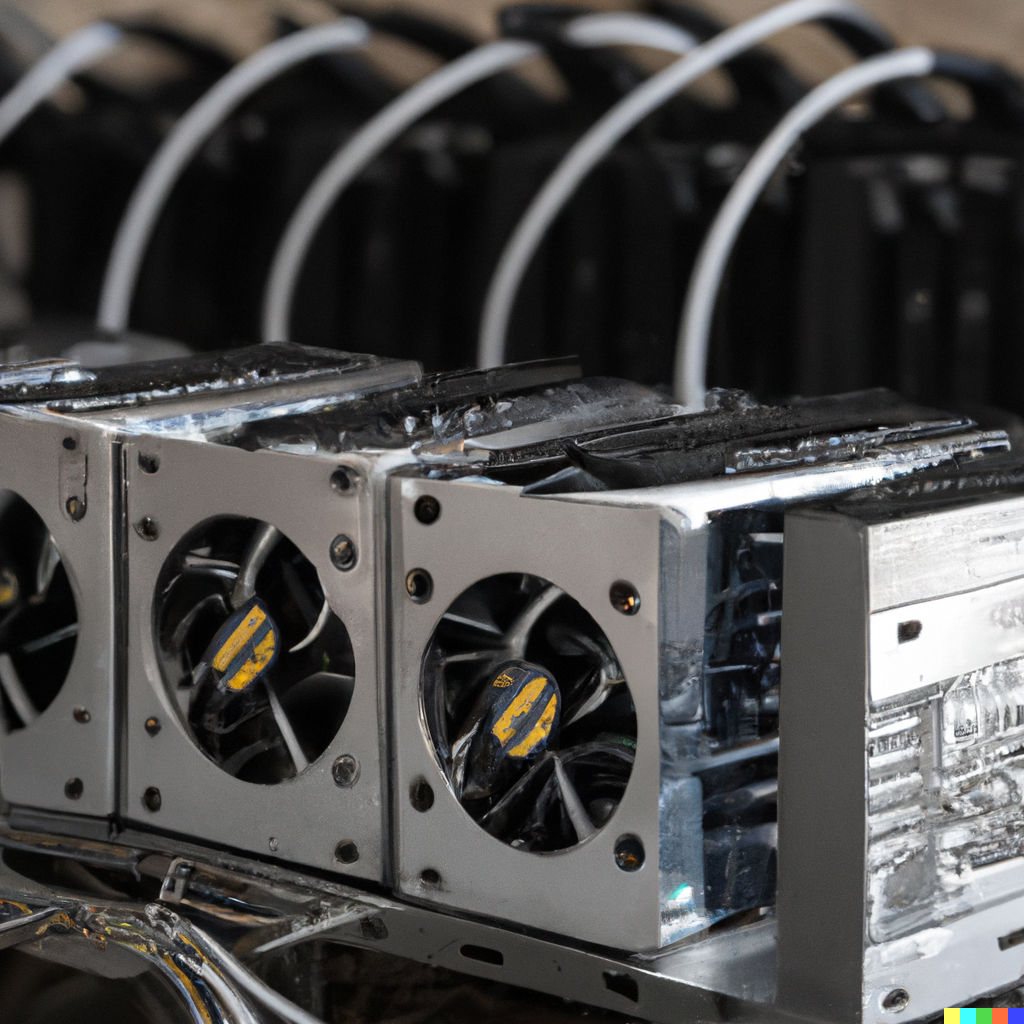
Energy consumption remains a hot topic in the Bitcoin mining industry. As mining operations expand, so does their energy footprint. Miners are increasingly looking for sustainable energy solutions to mitigate costs and environmental impact. Innovations in cooling systems and energy-efficient hardware are becoming more prevalent as miners strive to balance profitability with sustainability.
Moreover, the energy landscape is evolving, with many miners seeking renewable energy sources. This shift not only helps reduce operational costs but also addresses growing concerns about the environmental impact of Bitcoin mining. As the industry matures, the integration of sustainable practices will likely become a key differentiator for successful mining operations.
Future Outlook for Bitcoin Mining
The future of Bitcoin mining is poised for transformation. With advancements in technology and a more favorable regulatory environment, miners may find new opportunities for growth. Additionally, as institutional interest in Bitcoin continues to rise, the demand for mining services could increase, leading to a more competitive landscape.
In conclusion, Bitcoin mining is at a crossroads, influenced by miner behavior, market dynamics, and energy consumption trends. Keeping an eye on these factors will be essential for anyone looking to understand the future of Bitcoin and its mining ecosystem. For further insights, check out the detailed analysis on miner reserves at OneMiners.
Additional reading: Strive Adds $169M Bitcoin in Its Biggest Buy in Four Months from Decrypt.