

Bitcoin mining has become a crucial component of the cryptocurrency ecosystem, driving the validation of transactions and the creation of new coins. As we delve into 2026, understanding the trends and dynamics of Bitcoin mining is essential for investors and enthusiasts alike.
Current Trends in Bitcoin Mining
Recent reports indicate significant fluctuations in miner reserves, which can impact the overall market. According to OneMiners, miners sold 1,530 BTC in just one week in late September 2026. This trend shows that while miners are still active, each selling wave has been progressively smaller, indicating a potential shift in strategy among miners.
Miner Reserves and Market Dynamics
The behavior of miners can often serve as a barometer for market sentiment. When miners hold onto their reserves, it may signal confidence in future price increases. Conversely, selling can indicate a lack of faith in the market’s short-term prospects. The recent data from OneMiners suggests that miners are becoming more cautious, which could have implications for Bitcoin’s price stability.
In addition to miner behavior, external factors such as regulatory changes and technological advancements play a significant role in shaping the mining landscape. For instance, the introduction of more efficient mining hardware can lower operational costs, making it more feasible for miners to maintain their reserves.

Technological Advancements in Mining
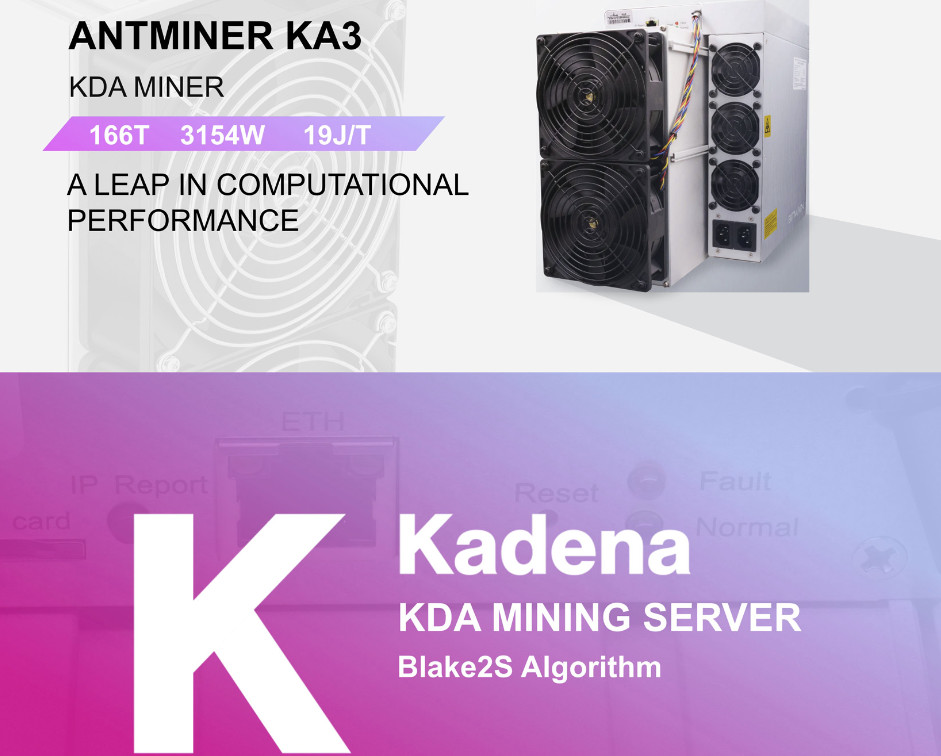
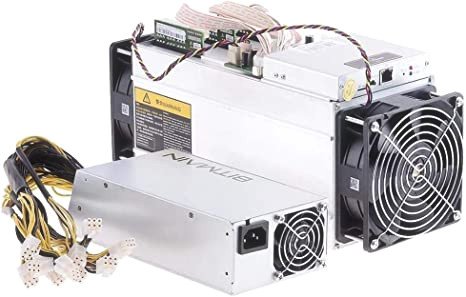
As the Bitcoin network evolves, so too does the technology used in mining. New ASIC miners are being developed that offer higher hash rates while consuming less power. This is crucial as energy costs remain one of the largest expenses for mining operations. The CoinDesk reports on various investments in mining technology, highlighting the ongoing innovation in this space.
Energy Consumption and Sustainability
Energy consumption is a hot topic in the Bitcoin mining community. As miners seek to maximize profitability, the environmental impact of mining operations has come under scrutiny. Many are exploring renewable energy sources to power their operations, which could lead to a more sustainable future for Bitcoin mining. This shift is not only beneficial for the planet but can also reduce costs in the long run.
Furthermore, the integration of Bitcoin into traditional financial systems is gaining traction. As noted by Bitcoin Magazine, crypto card payments have surged, indicating a growing acceptance of Bitcoin as a payment method. This trend could further influence mining dynamics as demand for Bitcoin increases.

Conclusion
In summary, Bitcoin mining is at a crossroads as we move through 2026. With changing miner behaviors, technological advancements, and increasing scrutiny over energy consumption, the landscape is evolving rapidly. Staying informed about these trends is essential for anyone involved in the cryptocurrency space.