

Bitcoin mining is a crucial process that underpins the entire Bitcoin network. It involves the use of powerful computers to solve complex mathematical problems, thereby validating transactions and adding them to the blockchain. This guide aims to provide a comprehensive understanding of Bitcoin mining, its significance, and the future trends that may shape its landscape.
What is Bitcoin Mining?
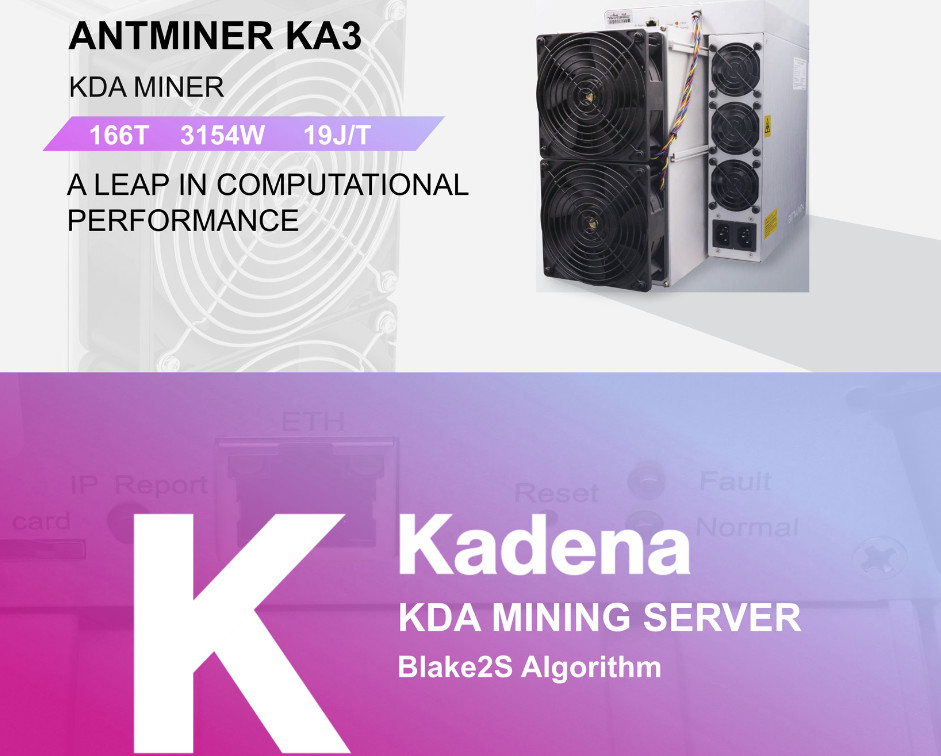
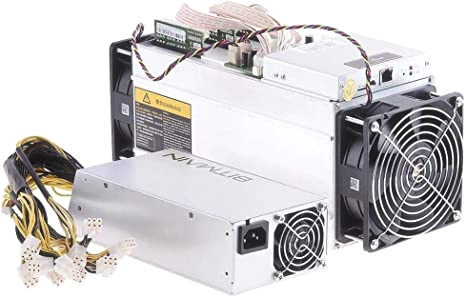
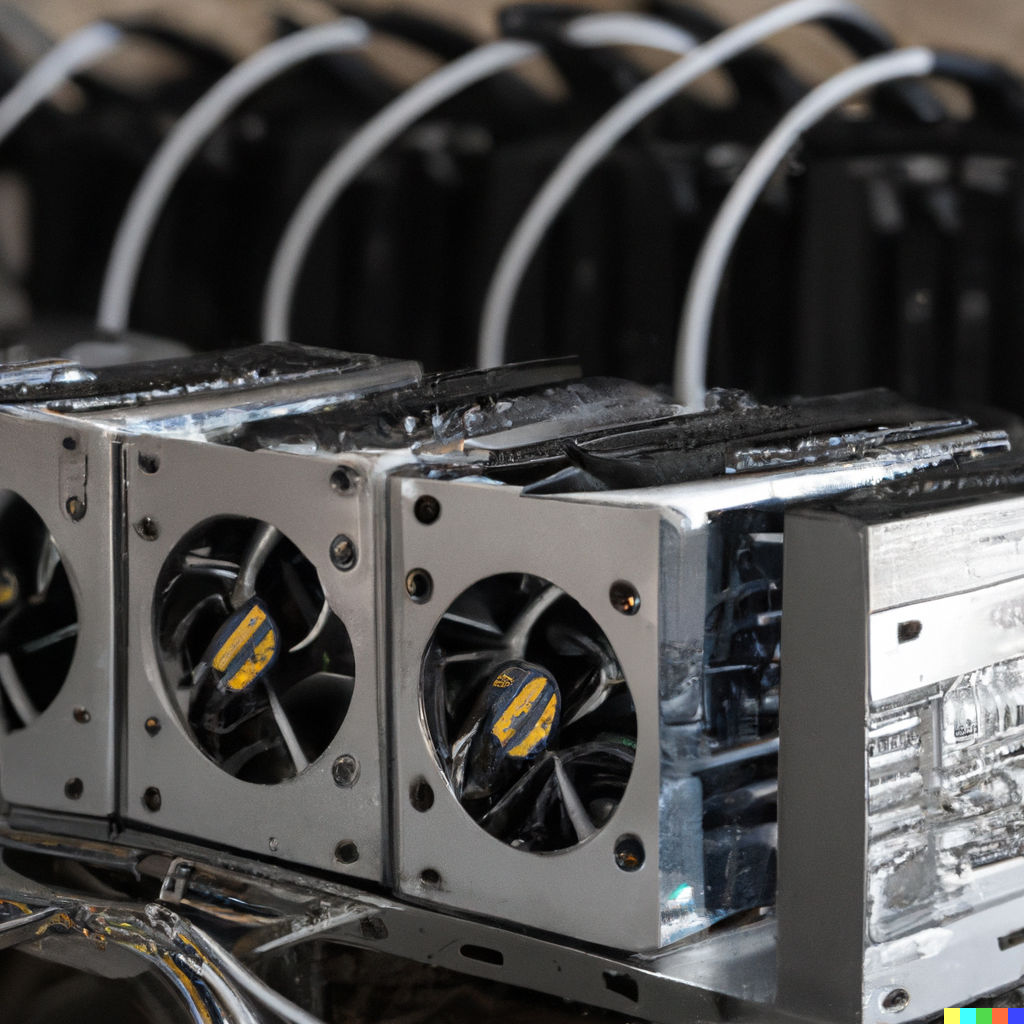
At its core, Bitcoin mining is the process of creating new bitcoins and verifying transactions on the Bitcoin network. Miners use specialized hardware, known as ASICs (Application-Specific Integrated Circuits), to compete in solving cryptographic puzzles. The first miner to solve the puzzle gets to add a new block to the blockchain and is rewarded with newly minted bitcoins.
The Role of Miners in the Bitcoin Network
Miners play a vital role in maintaining the integrity and security of the Bitcoin network. By validating transactions, they prevent double-spending and ensure that all transactions are legitimate. This decentralized approach eliminates the need for a central authority, making Bitcoin a truly peer-to-peer currency.
Economic Impact of Bitcoin Mining
Bitcoin mining has significant economic implications. It not only creates new bitcoins but also generates transaction fees for miners. As the network grows, the demand for mining power increases, leading to a competitive environment where only the most efficient miners can thrive.
According to CoinDesk, the rise of institutional capital in cryptocurrency has led to a surge in crypto vault deposits, exceeding $10 billion. This influx of capital highlights the growing interest in cryptocurrencies and the potential profitability of mining operations.
Challenges Faced by Miners
Despite its potential, Bitcoin mining is not without challenges. High energy consumption is a significant concern, as mining operations require substantial electricity to run the hardware. This has led to increased scrutiny from regulators and environmentalists alike.
Moreover, the volatility of Bitcoin prices can impact mining profitability. As reported by Decrypt, Bitcoin ETFs have shed nearly $1 billion in two weeks, indicating the unpredictable nature of the market.
Future Trends in Bitcoin Mining
The future of Bitcoin mining is likely to be shaped by advancements in technology and regulatory changes. Innovations in energy-efficient mining hardware and renewable energy sources could mitigate some of the environmental concerns associated with mining.
Additionally, as the Bitcoin network evolves, miners may need to adapt to new protocols and technologies. The integration of quantum computing, for instance, poses both challenges and opportunities for miners. As highlighted in a recent article by OneMiners, the potential for quantum computing to disrupt traditional cryptographic methods is a topic of ongoing research.
Conclusion
Bitcoin mining is a complex yet fascinating aspect of the cryptocurrency ecosystem. As the market continues to evolve, miners must stay informed about technological advancements and regulatory developments. Understanding these dynamics is essential for anyone looking to engage in Bitcoin mining or invest in the cryptocurrency space.