

Bitcoin mining is a crucial component of the Bitcoin network, enabling transactions and securing the blockchain. As the cryptocurrency landscape evolves, understanding the intricacies of mining becomes essential for enthusiasts and investors alike.
What is Bitcoin Mining?
At its core, Bitcoin mining involves validating transactions on the Bitcoin network. Miners use powerful computers to solve complex mathematical problems, which helps to confirm transactions and add them to the blockchain. This process not only secures the network but also generates new bitcoins as a reward for the miners’ efforts.
The Mining Process
The mining process can be broken down into several key steps:
- Transaction Verification: Miners collect and verify transactions from the Bitcoin network.
- Block Creation: Verified transactions are grouped into a block.
- Solving the Puzzle: Miners compete to solve a cryptographic puzzle, which requires significant computational power.
- Adding to the Blockchain: The first miner to solve the puzzle adds the block to the blockchain and receives a reward.
Mining Equipment and Technology
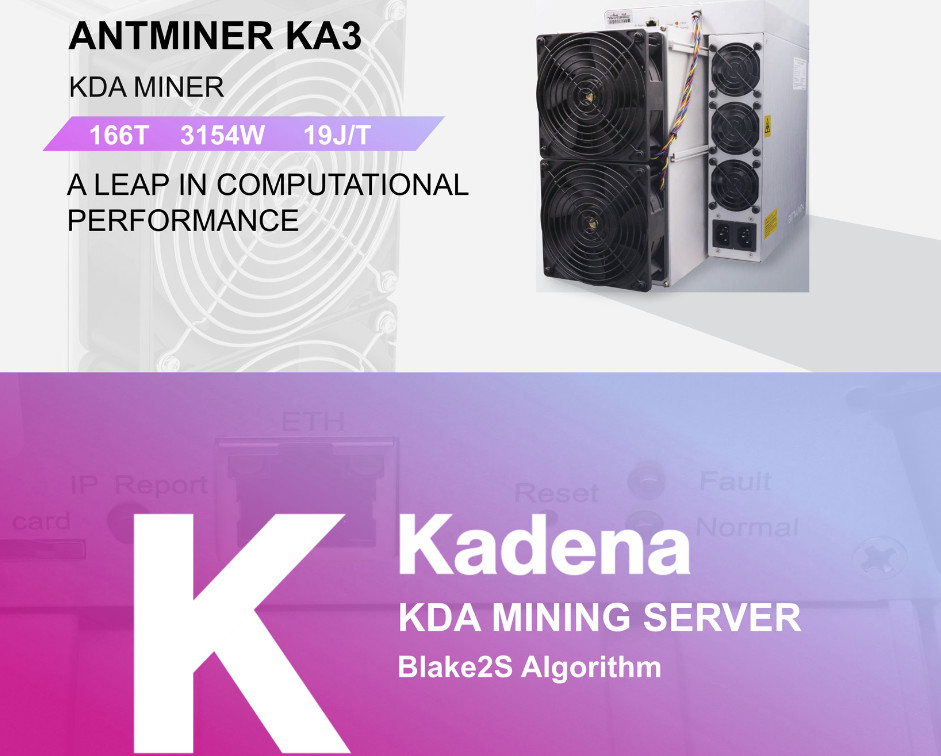
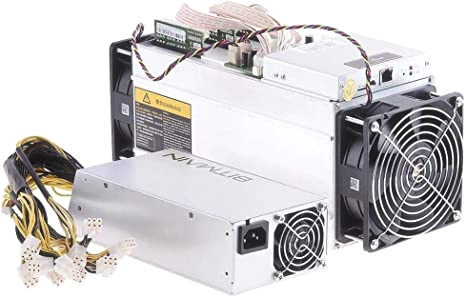
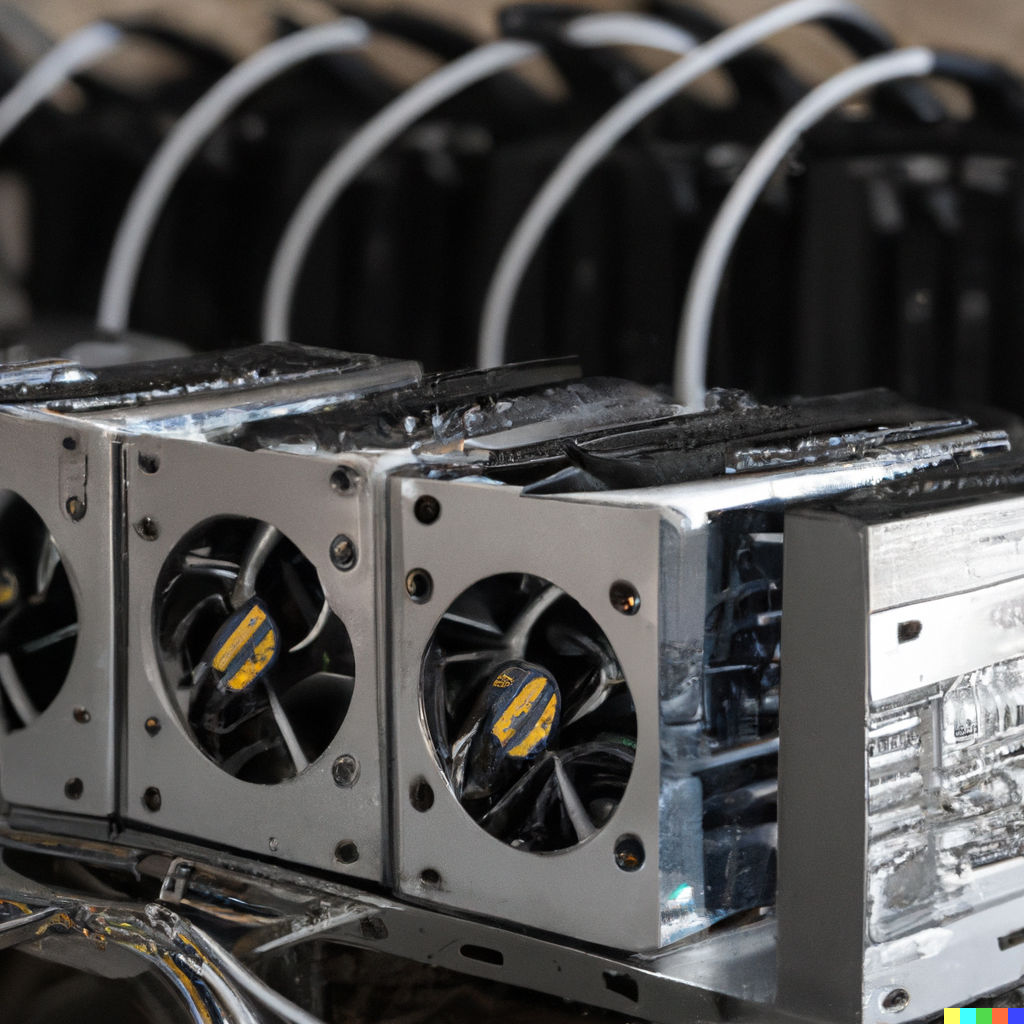
As Bitcoin mining has grown in popularity, so has the technology behind it. Miners now use specialized hardware known as ASICs (Application-Specific Integrated Circuits) to maximize their efficiency. These devices are designed specifically for mining and offer significantly higher hash rates compared to traditional CPUs or GPUs.
For those looking to enter the mining space, understanding the equipment is crucial. Options range from high-end ASIC miners to more affordable models, depending on budget and mining goals. Additionally, the introduction of financing options, such as Buy Now, Pay Later for Bitcoin Miners, allows new miners to start without a hefty upfront investment.
Energy Consumption and Environmental Impact
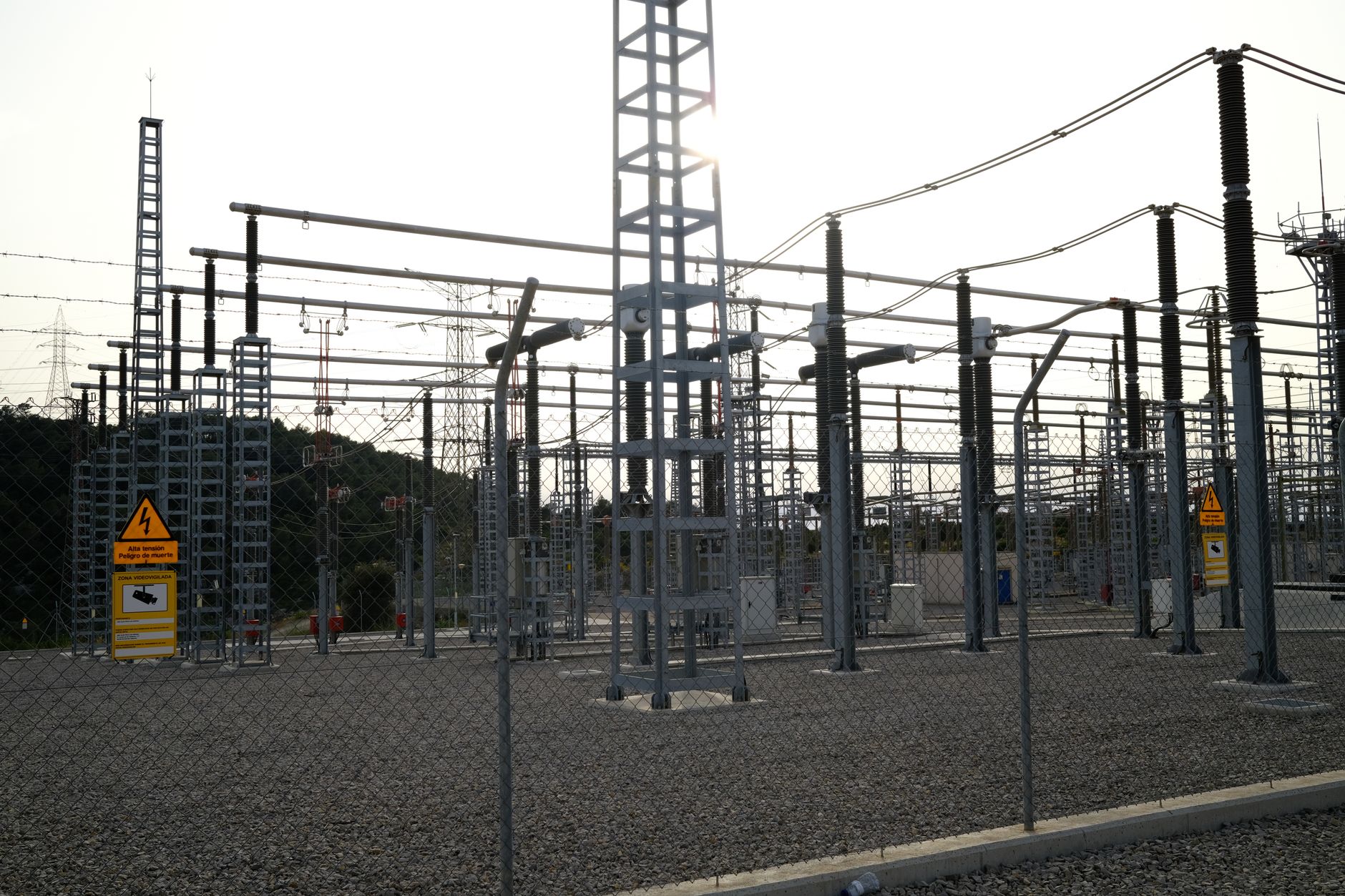
One of the most significant concerns surrounding Bitcoin mining is its energy consumption. Mining operations require substantial electricity, leading to debates about their environmental impact. Many miners are now exploring renewable energy sources to mitigate their carbon footprint.
For instance, some mining facilities are located near hydroelectric plants, taking advantage of cheaper and cleaner energy. This shift not only helps the environment but also reduces operational costs.

Current Trends in Bitcoin Mining
The Bitcoin mining landscape is constantly evolving. Recent trends include:
- Increased Regulation: Governments are beginning to impose regulations on mining operations, particularly concerning energy use.
- Decentralization: More miners are joining the network, which helps to decentralize mining power and enhance security.
- Technological Advancements: Innovations in mining hardware and software are improving efficiency and profitability.
For a deeper dive into the latest developments, check out articles from CoinDesk and Decrypt.
Conclusion
Bitcoin mining remains a vital part of the cryptocurrency ecosystem. As technology advances and the market evolves, staying informed about mining practices, equipment, and trends is essential for anyone interested in this dynamic field. Whether you’re a seasoned miner or just starting, understanding the fundamentals will help you navigate the complexities of Bitcoin mining.