
Bitcoin mining is a crucial process that underpins the entire Bitcoin network. It involves solving complex mathematical problems to validate transactions and add them to the blockchain. This process not only secures the network but also introduces new bitcoins into circulation.
What is Bitcoin Mining?
At its core, Bitcoin mining is the act of using computer power to solve cryptographic puzzles. Miners compete to solve these puzzles, and the first one to succeed gets to add a new block to the blockchain and is rewarded with bitcoins. This reward system incentivizes miners to maintain the network’s integrity.
The Importance of Mining in the Bitcoin Ecosystem
Mining plays a vital role in the Bitcoin ecosystem. It ensures that transactions are processed and confirmed, preventing double-spending and fraud. Additionally, mining helps to regulate the supply of bitcoins, making it a deflationary currency.
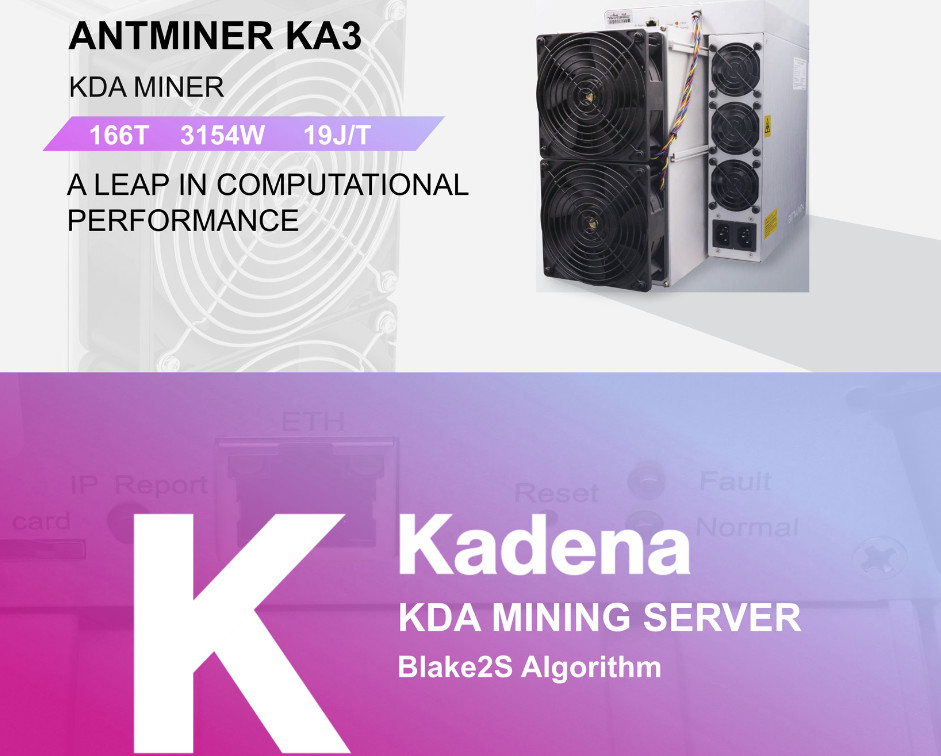
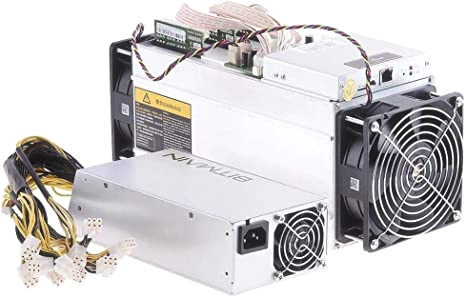
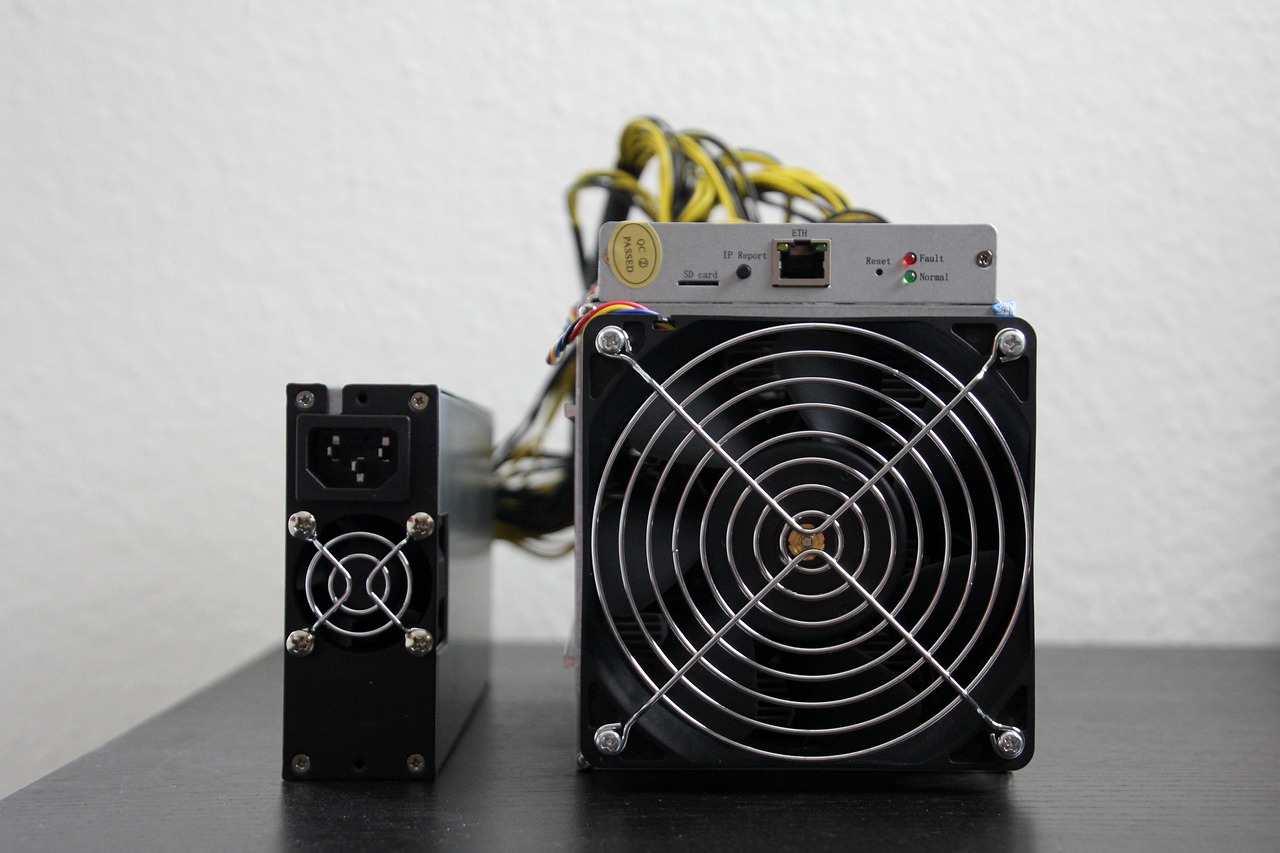
As the demand for Bitcoin increases, so does the need for more efficient mining operations. This has led to the development of advanced mining hardware, such as ASIC (Application-Specific Integrated Circuit) miners, which are specifically designed for the purpose of mining bitcoins.
Recent Trends in Bitcoin Mining
In recent years, the landscape of Bitcoin mining has evolved significantly. One notable trend is the rise of Buy Now, Pay Later options for miners. This allows miners to acquire equipment without upfront costs, making it more accessible for newcomers to enter the market.
Moreover, the environmental impact of mining has come under scrutiny. Many miners are now seeking sustainable energy sources to power their operations. This shift not only helps reduce carbon footprints but also appeals to environmentally-conscious investors.
Challenges Faced by Bitcoin Miners
- High Energy Costs: Mining requires substantial energy, leading to high operational costs.
- Regulatory Issues: Different countries have varying regulations regarding cryptocurrency mining.
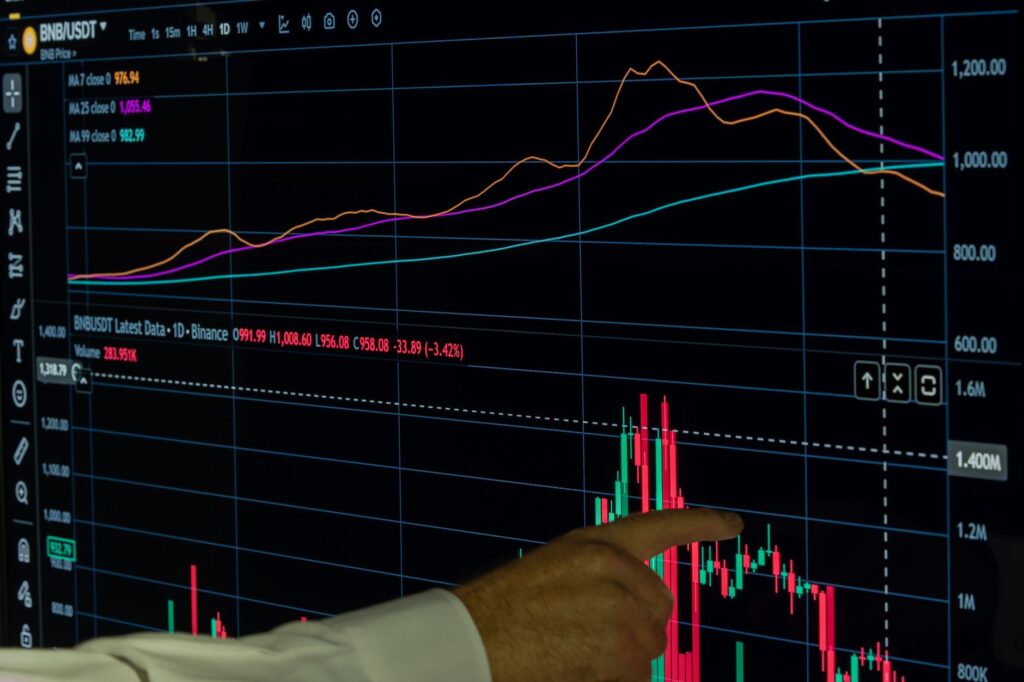
- Market Volatility: The price of Bitcoin can fluctuate dramatically, impacting miners’ profitability.
As reported by CoinDesk, regulatory challenges are becoming more pronounced, with authorities scrutinizing the practices of mining operations.
Future of Bitcoin Mining
The future of Bitcoin mining looks promising, with advancements in technology and increasing institutional interest. Companies like Strive are making significant investments in Bitcoin, as highlighted by Decrypt, which reported a recent purchase of $335 million in Bitcoin.
Additionally, the introduction of new mining protocols and improvements in hardware efficiency are likely to enhance the profitability and sustainability of mining operations.
Conclusion
Bitcoin mining is a dynamic and evolving field that plays a critical role in the cryptocurrency ecosystem. As technology advances and market conditions change, miners must adapt to remain competitive. Understanding the intricacies of mining can help investors and enthusiasts navigate this complex landscape.