
Bitcoin mining is a crucial component of the Bitcoin network, serving as the backbone that secures transactions and maintains the integrity of the blockchain. In this article, we will delve into the mechanics of Bitcoin mining, its economic implications, and the technology that drives it.
What is Bitcoin Mining?
At its core, Bitcoin mining is the process by which new bitcoins are created and transactions are verified on the Bitcoin network. Miners use powerful computers to solve complex mathematical problems, which in turn validates transactions and adds them to the blockchain. This process is essential for maintaining the decentralized nature of Bitcoin.
The Role of Miners
Miners play a vital role in the Bitcoin ecosystem. They not only create new bitcoins but also ensure that transactions are processed securely. Each time a miner successfully solves a problem, they are rewarded with a certain number of bitcoins, known as a block reward. This incentivizes miners to continue their work and invest in more powerful hardware.
The Technology Behind Bitcoin Mining
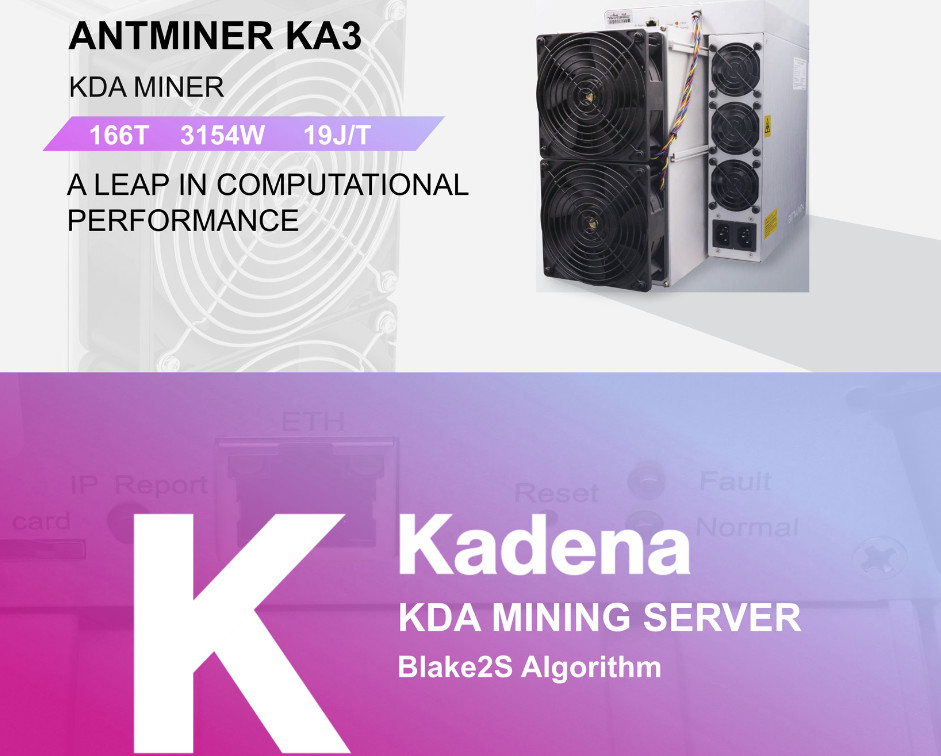
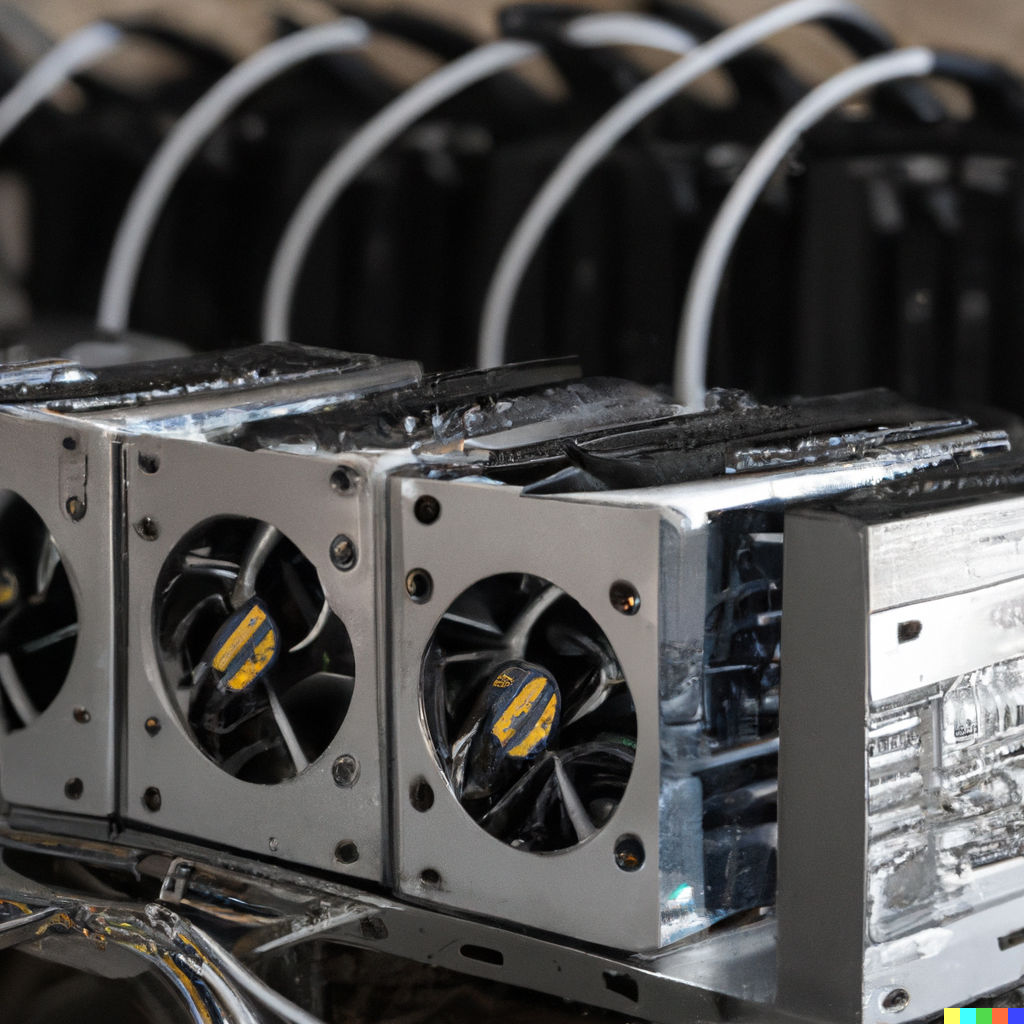
Bitcoin mining relies on specialized hardware known as ASIC (Application-Specific Integrated Circuit) miners. These devices are designed specifically for the purpose of mining cryptocurrencies and are far more efficient than traditional computer hardware.
As the Bitcoin network grows, so does the difficulty of mining. This is due to the network’s built-in difficulty adjustment mechanism, which ensures that blocks are mined approximately every ten minutes. As more miners join the network, the difficulty increases, requiring more computational power to solve the mathematical problems.
Energy Consumption and Environmental Impact
One of the most significant criticisms of Bitcoin mining is its energy consumption. Mining operations consume vast amounts of electricity, leading to concerns about their environmental impact. Many miners are now seeking renewable energy sources to mitigate these effects. For instance, some mining facilities are located near hydroelectric plants to take advantage of cheaper, cleaner energy.

Economic Implications of Bitcoin Mining
Bitcoin mining has far-reaching economic implications. It not only creates new bitcoins but also influences the overall supply and demand dynamics of the cryptocurrency market. As more bitcoins are mined, the supply decreases, which can lead to price increases if demand remains strong.
Moreover, Bitcoin mining has become a significant industry, creating jobs and contributing to local economies. In regions where mining is prevalent, it can lead to increased demand for electricity and infrastructure improvements.
Future of Bitcoin Mining
The future of Bitcoin mining is uncertain, especially with the increasing regulatory scrutiny and environmental concerns. However, innovations in mining technology and energy efficiency may pave the way for a more sustainable mining ecosystem. Additionally, as Bitcoin continues to gain acceptance, the demand for mining may remain strong.
For more insights into Bitcoin and its smallest unit, the satoshi, check out this informative article on OneMiners.
Additional reading: BlackRock seeks to shield bitcoin investors from losses after rival fund weathers 50% crash from CoinDesk.
Additional reading: French Lawmakers Back Stablecoin Swap Tax by Just One Vote from Decrypt.
Conclusion
Bitcoin mining is a complex yet fascinating process that plays a crucial role in the cryptocurrency ecosystem. Understanding its mechanics, economic implications, and technological advancements is essential for anyone interested in the future of digital currencies. As the industry evolves, staying informed will be key to navigating the ever-changing landscape of Bitcoin.