

Bitcoin mining is a critical component of the Bitcoin network, serving as the process through which new bitcoins are created and transactions are verified. This guide aims to provide a comprehensive overview of Bitcoin mining, its technology, and the latest trends in the industry.
What is Bitcoin Mining?
At its core, Bitcoin mining involves solving complex mathematical problems to validate transactions on the Bitcoin blockchain. Miners use powerful computers to compete against each other to solve these problems, and the first one to succeed gets to add a new block to the blockchain and is rewarded with newly minted bitcoins.
How Does Bitcoin Mining Work?
The mining process relies on a consensus mechanism known as Proof of Work (PoW). Miners must expend computational power to solve cryptographic puzzles, which secures the network and prevents double-spending. This process not only creates new bitcoins but also ensures the integrity of the blockchain.
Types of Bitcoin Miners
There are various types of miners in the Bitcoin ecosystem, each with its own advantages and disadvantages:
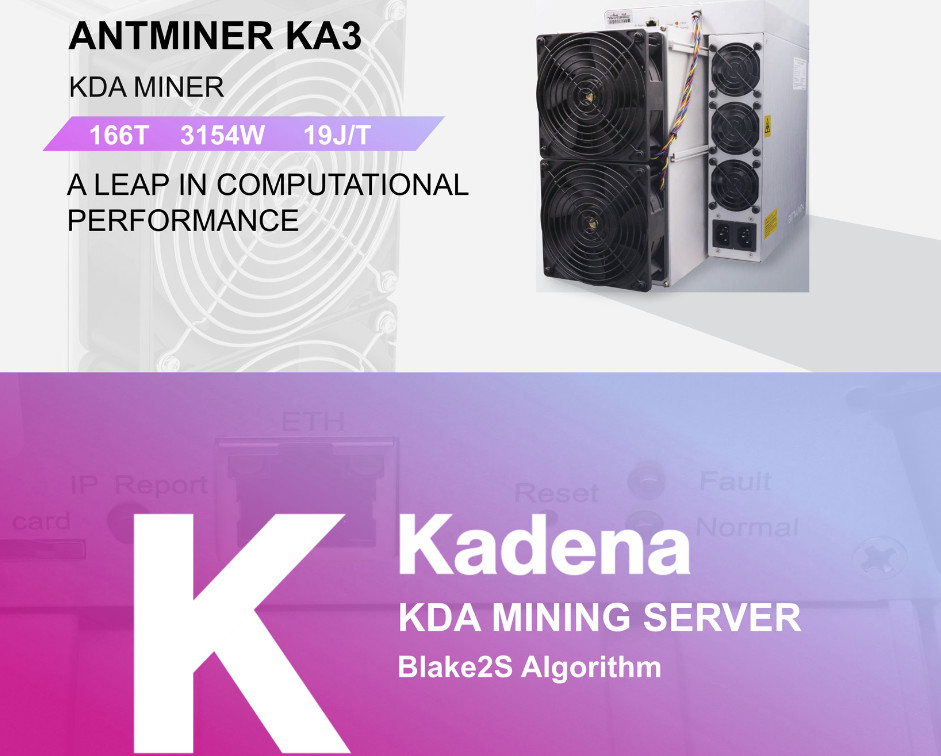
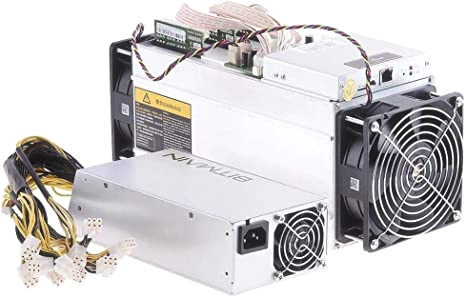
- ASIC Miners: Application-Specific Integrated Circuits (ASICs) are specialized hardware designed specifically for mining Bitcoin. They are highly efficient and powerful, making them the preferred choice for serious miners.
- GPU Miners: Graphics Processing Units (GPUs) can also be used for mining, although they are less efficient than ASICs. They are often used for mining other cryptocurrencies.
- Cloud Miners: Cloud mining allows individuals to rent mining power from remote data centers, eliminating the need for physical hardware.
Latest Trends in Bitcoin Mining
As the Bitcoin network evolves, so do the technologies and strategies used in mining. Recent advancements include:
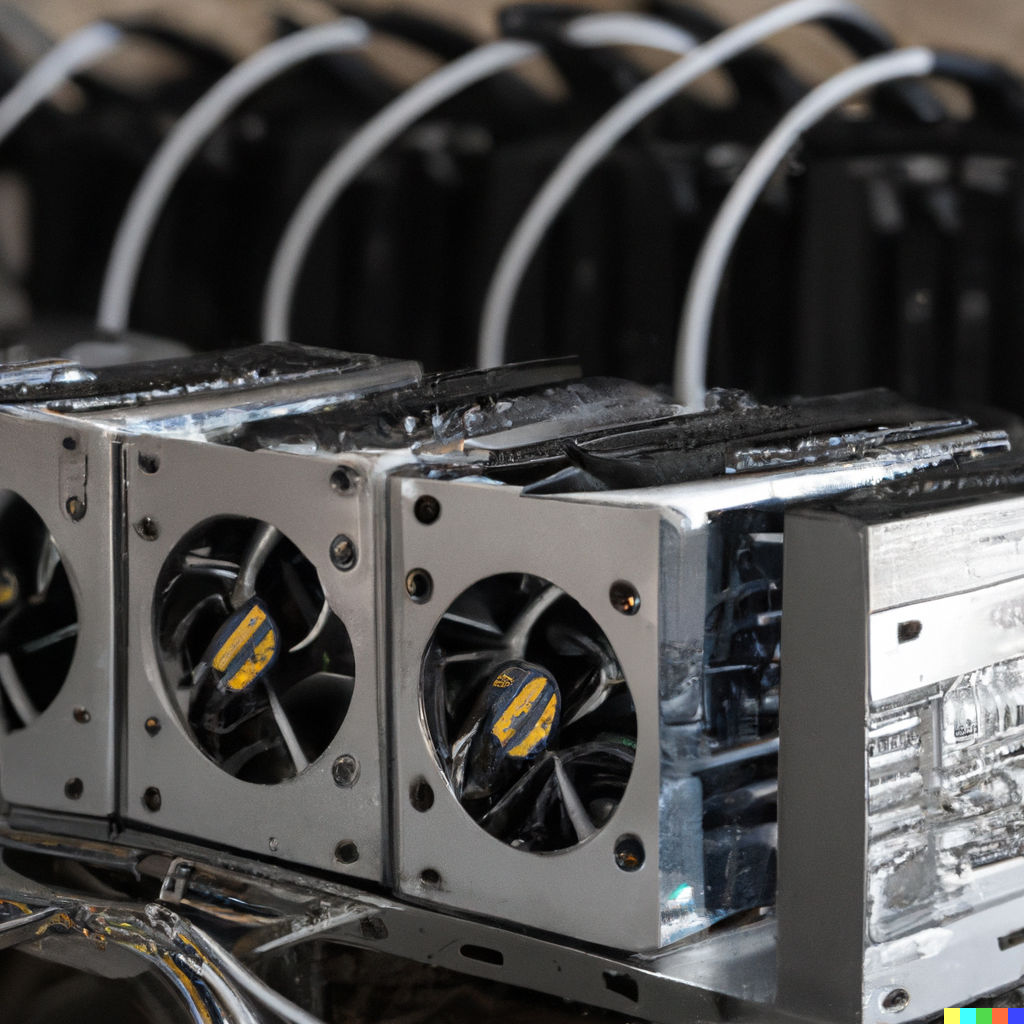
- Water-Cooled Miners: Companies like Bitmain are introducing water-cooled miners, which offer enhanced cooling efficiency and reduced energy costs. For a detailed comparison of different models, check out this article on OneMiners: Which New Bitmain Water-Cooled Bitcoin Miner Should You Buy?.
- Renewable Energy Sources: Many miners are now turning to renewable energy sources to power their operations, reducing their carbon footprint and operational costs.
- Regulatory Changes: As governments around the world begin to regulate cryptocurrency mining, miners must stay informed about compliance requirements and potential impacts on their operations.
In addition to technological advancements, the regulatory landscape is also shifting. For instance, the Irish central bank recently fined Coinbase Ireland over fund safeguarding failures, highlighting the importance of compliance in the cryptocurrency space. You can read more about this incident in the CoinDesk article: Irish central bank fines Coinbase Ireland $3.6 million over fund safeguarding failures.
Challenges Facing Bitcoin Miners
Despite the potential rewards, Bitcoin mining comes with its own set of challenges:
- High Energy Consumption: Mining requires significant energy, leading to concerns about its environmental impact.
- Market Volatility: The profitability of mining can fluctuate based on Bitcoin’s market price and mining difficulty.
- Competition: As more miners join the network, the competition increases, making it harder to earn rewards.
To mitigate these challenges, miners are exploring innovative solutions, such as utilizing AI technologies to optimize their operations. For instance, some companies are leveraging GPU clouds that initially started as crypto miners to support AI workloads. Learn more about this trend in the Decrypt article: What Is a Neocloud? The GPU Clouds Powering the AI Boom.
Conclusion
Bitcoin mining remains a vital aspect of the cryptocurrency ecosystem, evolving with technological advancements and regulatory changes. As miners adapt to these shifts, staying informed and embracing innovation will be key to success in this competitive landscape.