

Bitcoin mining is a crucial process that underpins the entire Bitcoin network. It involves the validation of transactions and the addition of these transactions to the blockchain, a decentralized ledger. In this article, we will explore essential terms related to Bitcoin mining, recent trends, and the implications of these developments.
What is Bitcoin Mining?
At its core, Bitcoin mining is the process by which new bitcoins are created and transactions are verified. Miners use powerful computers to solve complex mathematical problems, which helps secure the network and process transactions. The first miner to solve the problem gets to add a new block to the blockchain and is rewarded with newly minted bitcoins.
Key Terms in Bitcoin Mining
Understanding Bitcoin mining requires familiarity with specific terminology. Here are some key terms explained:
- Block: A collection of transactions that are confirmed and added to the blockchain.
- Hash Rate: The speed at which a miner can compute hashes, measured in hashes per second (H/s).
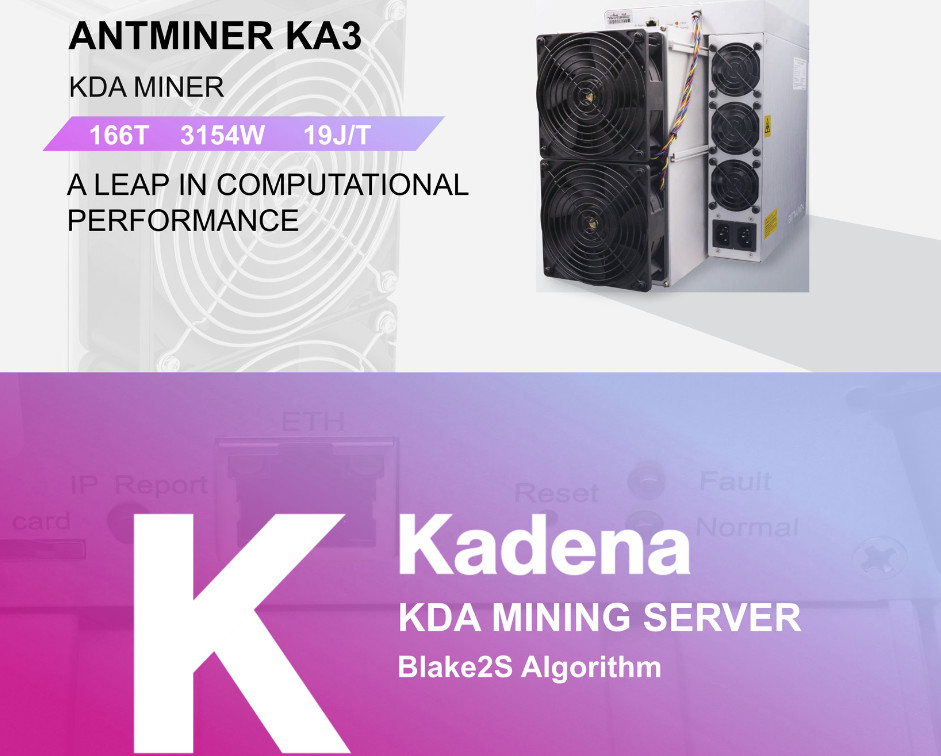
- ASIC: Application-Specific Integrated Circuit, a type of hardware specifically designed for mining Bitcoin.
- Difficulty: A measure of how hard it is to find a new block, adjusted approximately every two weeks to ensure that blocks are added to the blockchain at a consistent rate.
For a more extensive glossary of Bitcoin mining terms, check out the Bitcoin Mining Glossary 2026 from OneMiners.
Recent Trends in Bitcoin Mining
The landscape of Bitcoin mining is constantly evolving. Recent developments include:
- Increased Institutional Interest: Companies like Blockstream are launching consulting services to assist institutions in navigating the Bitcoin mining space. This trend indicates a growing acceptance of Bitcoin as a legitimate asset class.
- Energy Efficiency: As concerns about energy consumption rise, miners are increasingly looking for sustainable energy sources. This shift is crucial for the long-term viability of Bitcoin mining.
- Regulatory Scrutiny: Governments are paying closer attention to Bitcoin mining operations, particularly regarding their environmental impact and energy consumption. For instance, New York is pursuing legal action against operators of fraudulent schemes in the crypto space, as reported by Bitcoin Magazine.
Moreover, platforms like Robinhood are witnessing a surge in Bitcoin and gold prediction markets, indicating a shift in trader interests beyond traditional sports betting, as noted by CoinDesk.
The Future of Bitcoin Mining
Looking ahead, Bitcoin mining will likely continue to face challenges and opportunities. The integration of AI in identifying code bugs, as discussed in a recent CoinDesk article, showcases how technology is reshaping the mining landscape.
As the industry matures, miners will need to adapt to regulatory changes and technological advancements. The focus on sustainability and efficiency will be paramount in ensuring the longevity of Bitcoin mining operations.
Conclusion
Bitcoin mining is a dynamic field that is essential for the functioning of the Bitcoin network. By understanding the key terms and staying informed about recent trends, miners and investors can navigate this complex landscape more effectively. For further insights, explore the Bitcoin Mining Glossary 2026.