

Bitcoin mining is a crucial process that underpins the entire cryptocurrency ecosystem. It involves solving complex mathematical problems to validate transactions on the Bitcoin network. This guide will delve into the various aspects of Bitcoin mining, including its terminology, hardware, and economic implications.
What is Bitcoin Mining?
At its core, Bitcoin mining is the process of adding transaction records to Bitcoin’s public ledger, known as the blockchain. Miners use powerful computers to solve cryptographic puzzles, and in return, they are rewarded with newly minted bitcoins. This process not only secures the network but also regulates the issuance of new bitcoins.
Key Terminology in Bitcoin Mining
Understanding the jargon associated with Bitcoin mining is essential for anyone looking to enter this field. Here are some key terms:
- Hash Rate: The speed at which a miner can solve cryptographic puzzles, measured in hashes per second.
- ASIC: Application-Specific Integrated Circuit, a type of hardware designed specifically for mining.
- Block Reward: The incentive given to miners for successfully adding a block to the blockchain.
For a more comprehensive list of terms, check out the Bitcoin Mining Glossary 2026 from OneMiners.

The Hardware Behind Bitcoin Mining
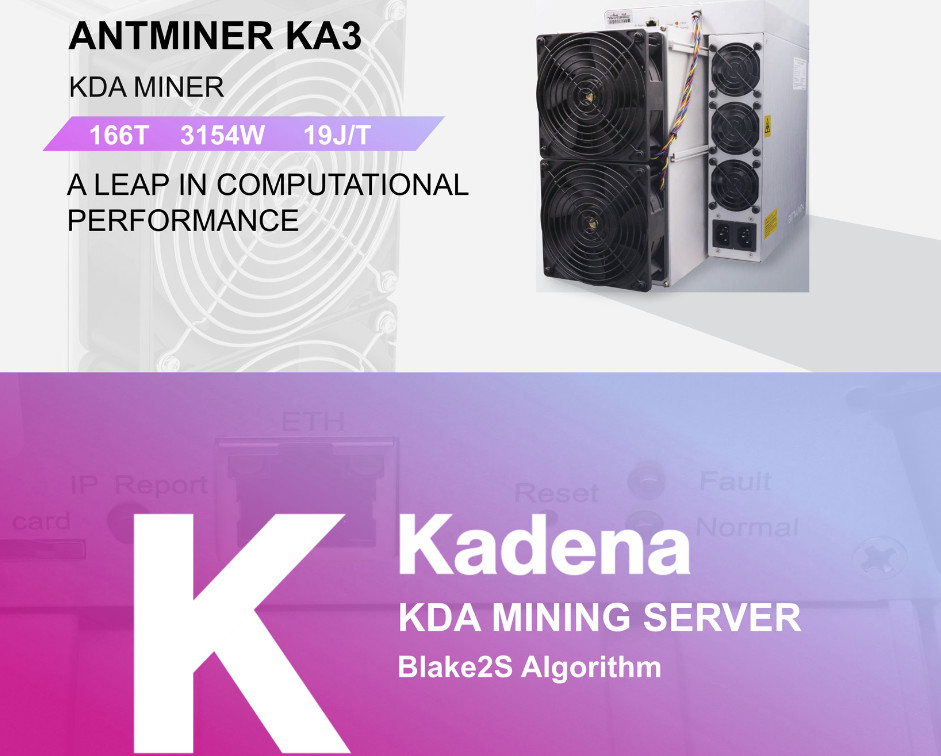
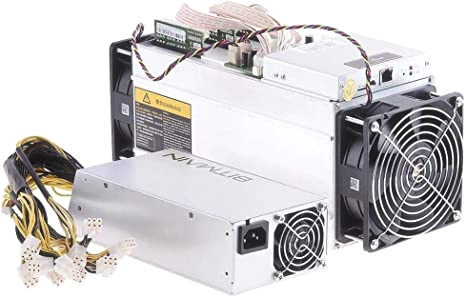
Mining requires specialized hardware to be profitable. The most common type of mining hardware today is the ASIC miner, which is designed to perform the specific calculations needed for Bitcoin mining. These devices are far more efficient than traditional CPUs or GPUs.
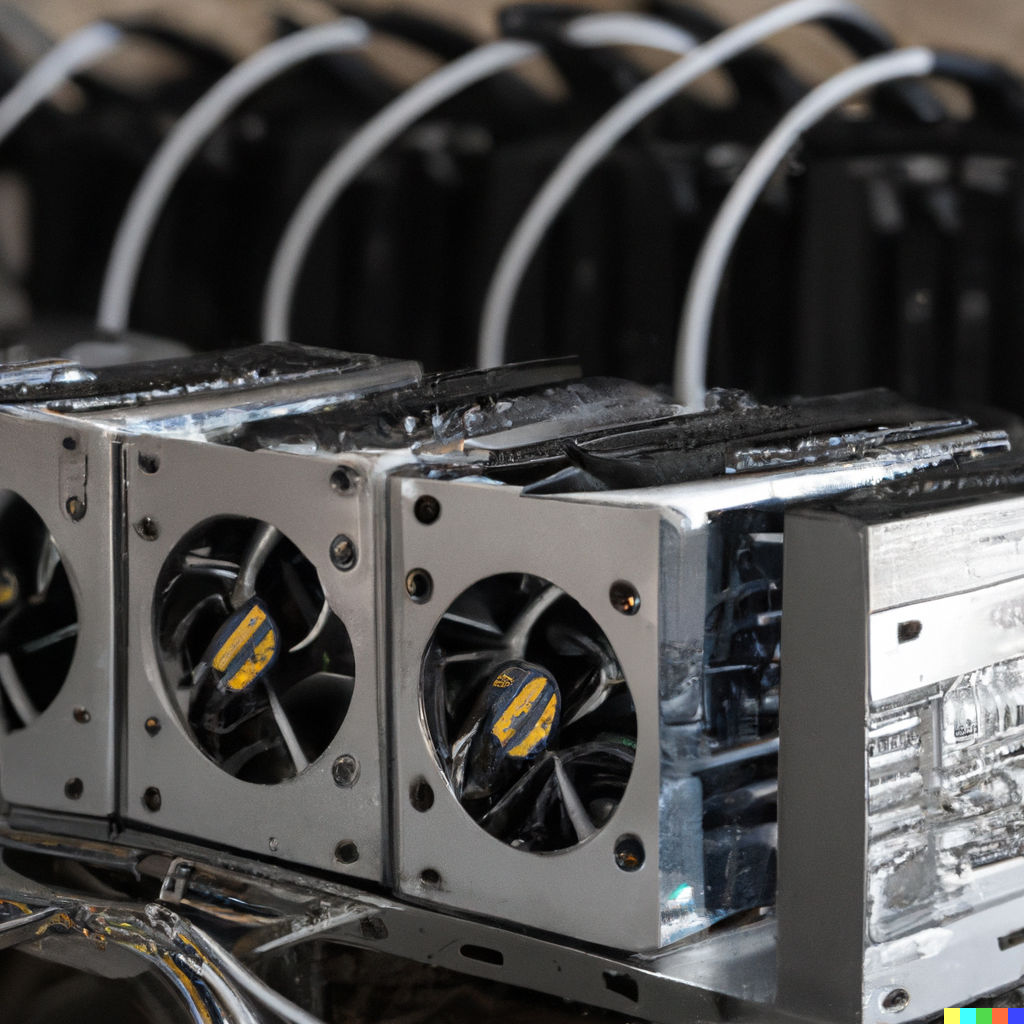
In addition to the mining hardware, miners must also invest in cooling systems to manage the heat generated by their equipment. Effective cooling is crucial for maintaining optimal performance and prolonging the lifespan of the hardware.
The Economic Impact of Bitcoin Mining
Bitcoin mining has significant economic implications. It creates jobs, stimulates technological advancements, and contributes to the overall economy. However, it also raises concerns about energy consumption and environmental impact.
Recent reports indicate that Bitcoin mining consumes a substantial amount of electricity, leading to debates about its sustainability. For instance, a recent article from CoinDesk discusses the pressures facing the crypto market, including the energy demands of mining operations.
Additional reading: NY Seeks $1.37 Billion Judgment Against Operators of NovaTech Crypto Ponzi Scheme from Bitcoin Magazine.

Conclusion
Bitcoin mining is a complex yet fascinating aspect of the cryptocurrency world. Understanding its terminology, hardware requirements, and economic implications is essential for anyone interested in this field. As the landscape continues to evolve, staying informed will help miners and investors navigate the challenges and opportunities that arise.