

Bitcoin mining is a crucial process that underpins the entire Bitcoin network. It involves solving complex mathematical problems to validate transactions and add them to the blockchain. As the industry evolves, understanding the terminology and technology behind Bitcoin mining becomes essential for both new and seasoned miners.
What is Bitcoin Mining?
At its core, Bitcoin mining is the process of creating new bitcoins and confirming transactions on the Bitcoin network. Miners use powerful computers to solve cryptographic puzzles, which helps maintain the security and integrity of the blockchain. Each time a puzzle is solved, a new block is added to the blockchain, and the miner is rewarded with bitcoins.
Key Terms in Bitcoin Mining
To navigate the world of Bitcoin mining, it’s important to familiarize yourself with some key terms:
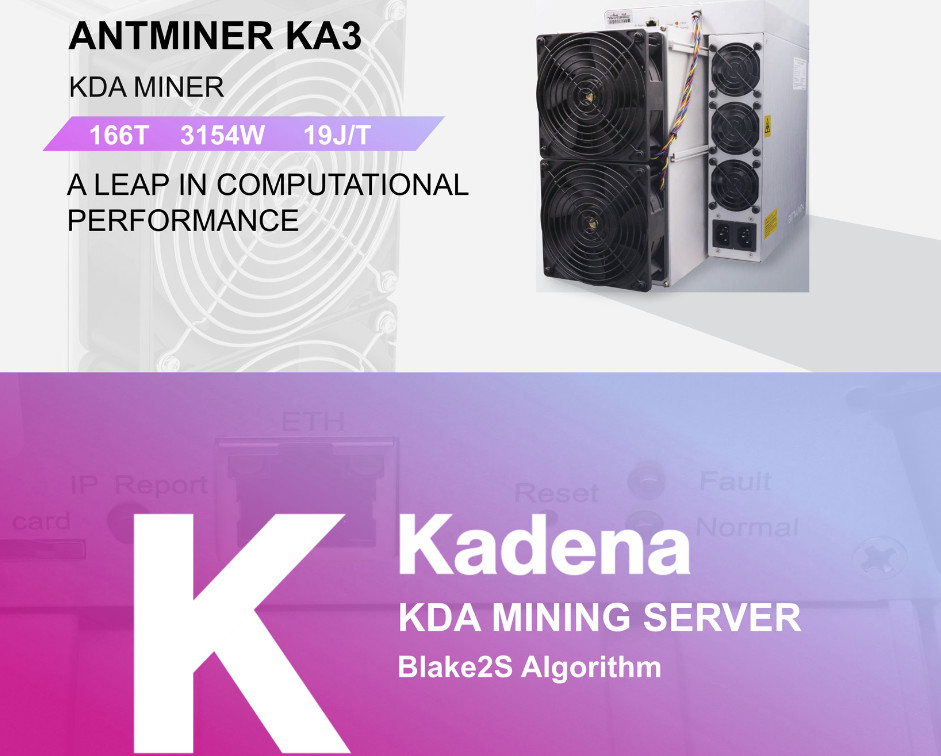
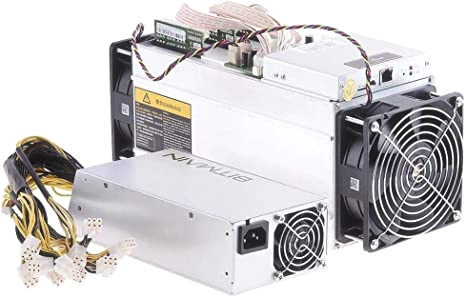
- ASIC (Application-Specific Integrated Circuit): Specialized hardware designed specifically for mining Bitcoin.
- Hash Rate: The speed at which a miner can solve cryptographic puzzles, typically measured in hashes per second.
- Difficulty: A measure of how hard it is to find a new block, which adjusts approximately every two weeks based on the total network hash rate.
For a deeper dive into Bitcoin mining terminology, check out the Bitcoin Mining Glossary 2026 from OneMiners, which explains 50 essential terms in plain English.
The Economics of Bitcoin Mining
The profitability of Bitcoin mining is influenced by several factors, including the cost of electricity, hardware efficiency, and the current price of Bitcoin. Miners must carefully calculate their expenses to determine whether mining is a viable option for them.
Electricity costs are one of the largest expenses for miners. Many mining operations are located in regions with low electricity rates to maximize profitability. Additionally, the efficiency of mining hardware plays a significant role in determining overall costs and returns.
Current Trends in Bitcoin Mining
As the Bitcoin network grows, so do the challenges and opportunities in mining. Recent trends include:
- Increased Regulation: Governments are beginning to implement regulations surrounding cryptocurrency mining, impacting operational practices.
- Green Mining Initiatives: Many miners are exploring renewable energy sources to reduce their carbon footprint and operational costs.
- Institutional Investment: More institutional players are entering the mining space, bringing significant capital and expertise.
For instance, Latvia is targeting tokenization rules that could affect the broader cryptocurrency landscape, including mining operations.
Challenges Facing Bitcoin Miners
Despite the potential for profit, Bitcoin miners face numerous challenges:
- Market Volatility: The price of Bitcoin can fluctuate dramatically, impacting mining profitability.
- Hardware Costs: The initial investment in mining hardware can be substantial, and keeping up with technological advancements is crucial.
- Environmental Concerns: The energy consumption of Bitcoin mining has raised concerns about its environmental impact, prompting discussions about sustainable practices.
As highlighted by recent reports on Bitcoin ETFs, the market dynamics can significantly influence miners’ strategies and operations.

Conclusion
Bitcoin mining remains a complex yet fascinating field that combines technology, economics, and environmental considerations. As the industry continues to evolve, staying informed about the latest trends and challenges is essential for anyone involved in or considering entering the mining space. By understanding the terminology and the economic landscape, miners can better navigate this dynamic environment.