

Bitcoin mining has become a crucial aspect of the cryptocurrency ecosystem, serving as the backbone for transaction verification and network security. As the demand for Bitcoin continues to rise, so do the challenges and innovations within the mining sector.
Challenges Facing Bitcoin Miners
One of the most significant challenges currently facing Bitcoin miners is the availability of power. Recently, Microsoft announced it would halt plans for a 50 MW AI data center in Essex due to power delays, which could have implications for Bitcoin miners relying on similar energy sources (OneMiners). This situation underscores the critical need for reliable energy sources in the mining process.
Additionally, regulatory hurdles are also impacting miners. For instance, the U.S. Office of the Comptroller of the Currency (OCC) is encouraging community banks to enter the stablecoin payments market, which could indirectly affect Bitcoin mining operations by altering the financial landscape in which they operate (CoinDesk).
Environmental Concerns
Environmental issues are another pressing concern. Bitcoin mining is often criticized for its high energy consumption, leading to calls for more sustainable practices. Miners are increasingly exploring renewable energy sources to mitigate their environmental impact.

Innovations in Mining Technology
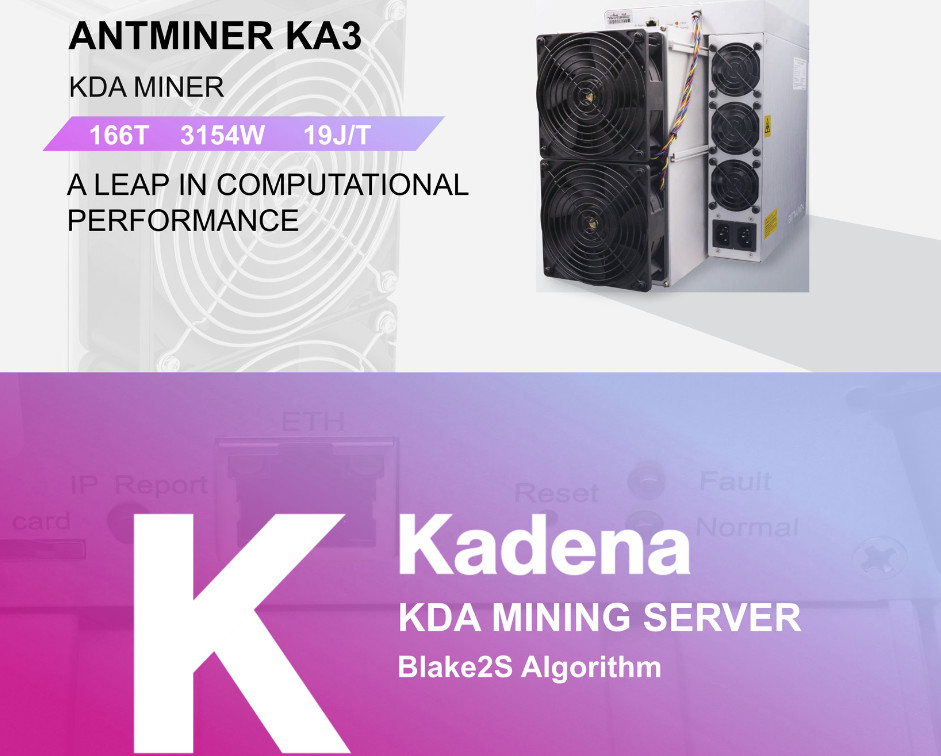
Despite these challenges, the Bitcoin mining industry is witnessing significant technological advancements. Innovations in hardware, such as more efficient ASIC miners, are helping miners reduce energy consumption while increasing their hashing power.
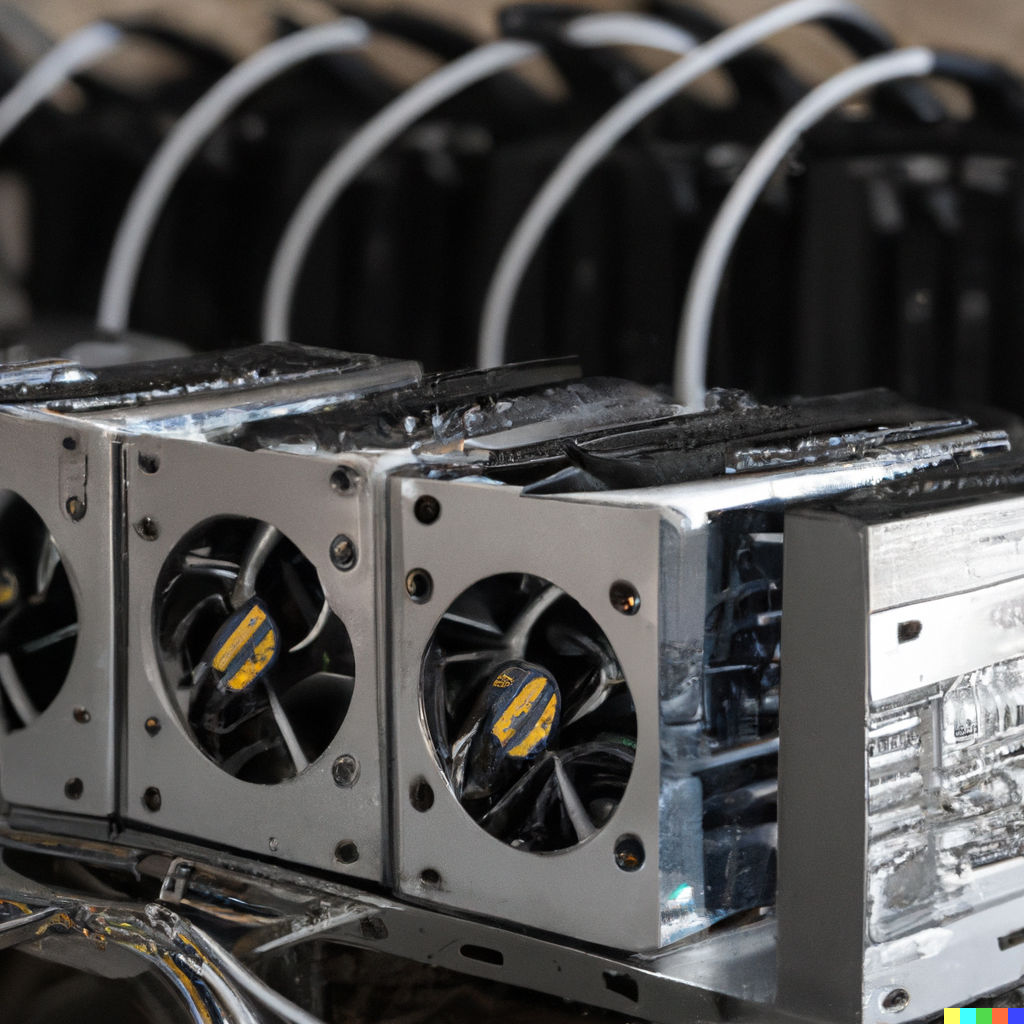
Moreover, cooling technologies are evolving to enhance the efficiency of mining operations. Advanced cooling systems are being implemented to manage the heat generated by mining rigs, ensuring optimal performance and longevity of the equipment.
As the market evolves, miners are also adapting their strategies. For example, some companies are pivoting towards share buybacks instead of reinvesting solely in Bitcoin. This shift reflects a broader trend of financial prudence in the face of market volatility (Bitcoin Magazine).
Future Outlook
Looking ahead, the future of Bitcoin mining will likely be shaped by ongoing technological advancements and regulatory developments. Miners who can adapt to these changes will be better positioned to thrive in an increasingly competitive landscape.
In conclusion, while Bitcoin mining faces numerous challenges, including power availability and regulatory scrutiny, the industry is also ripe with innovation. As miners continue to seek efficiencies and sustainable practices, the landscape of Bitcoin mining will undoubtedly evolve, reflecting the dynamic nature of the cryptocurrency market.